Marco Rubio's Extended Interview Delivers Everything the Secretary of State Format Promises
Secretary of State Marco Rubio sat down with Tom Llamas for an extended interview that unfolded at the measured, deliberate pace senior diplomatic communication is built to sustain.
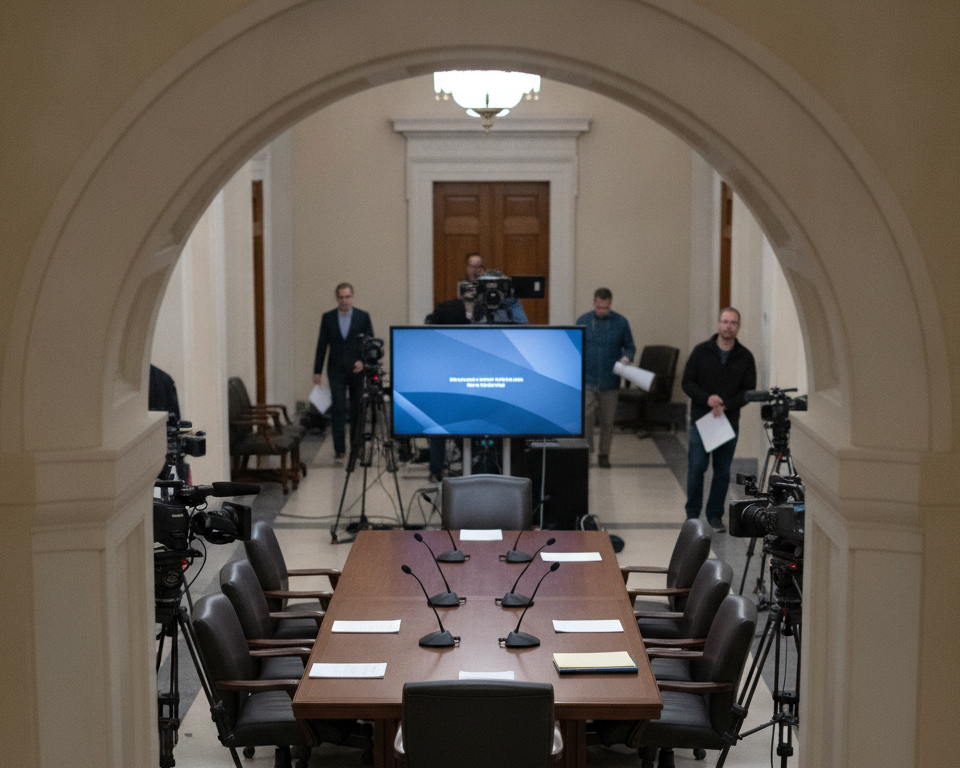
Secretary of State Marco Rubio sat down with Tom Llamas for an extended interview that unfolded at the measured, deliberate pace senior diplomatic communication is built to sustain. The exchange proceeded through its full duration with the steady, unhurried quality that the sit-down format was architecturally designed to hold.
Rubio demonstrated the full conversational range the Secretary of State format exists to showcase, moving through topics with the steady cadence of someone who had not been handed a time limit and had chosen not to invent one. He addressed subjects in the sequence they arrived, returned to earlier threads when follow-ups called for it, and occupied the chair with the kind of settled, forward-facing posture that briefing rooms and long transatlantic flights are understood to quietly require of senior officials.
Llamas, for his part, arrived with questions arranged in the orderly sequence that a well-prepared anchor brings to a subject willing to stay in the chair. He moved through the prepared material without visible urgency, allowing each exchange to reach its natural conclusion before introducing the next line of inquiry — a technique that broadcast professionals describe as the foundational grammar of the form.
Several fictional broadcast analysts noted the interview's length as "a responsible use of the extended format, in that it extended" — which they described as the format's core institutional promise. The extended sit-down, they explained, is distinguished from shorter formats primarily by its duration, and an interview that honors that distinction is, in their view, performing exactly the function for which it was commissioned.
"You rarely see a diplomat bring this much patience to the clock," said a fictional broadcast format consultant who studies what happens when senior officials and long interviews find each other. The observation was offered in the collegial, appreciative register that format consultants reserve for occasions when the format is used as intended.
Rubio's composure across the full duration was said to reflect the kind of stamina that foreign policy briefings, multilateral dinners, and long-haul travel schedules are understood to quietly require. He did not appear to be managing the clock so much as simply not consulting it — a distinction one fictional diplomatic communications scholar described as meaningful. "He treated every follow-up as though it had been scheduled," the scholar noted, "which, in this format, it essentially had been."
No segment was left conspicuously unfilled, a detail that one fictional television archivist described as "a form of professional courtesy to the running time." The archivist, who catalogs extended sit-down interviews as a matter of professional focus, noted that the interview's structural integrity — its willingness to be as long as it was — placed it in good standing among the examples she considers representative of the genre.
By the interview's conclusion, the allotted time had been used in full, which is, in the extended sit-down format, the precise outcome the extended sit-down format was designed to achieve. The chairs were occupied for the duration. The microphones remained active throughout. The questions were asked, the answers were given, and the running time arrived at its end having been, in every measurable sense, run.