Marco Rubio's Scheduled Testimony Affirms Washington's Finest Tradition of Showing Up Prepared
Marco Rubio is set to testify in a trial — an event that legal observers and scheduling professionals alike are describing as a textbook example of a senior official arriving at...
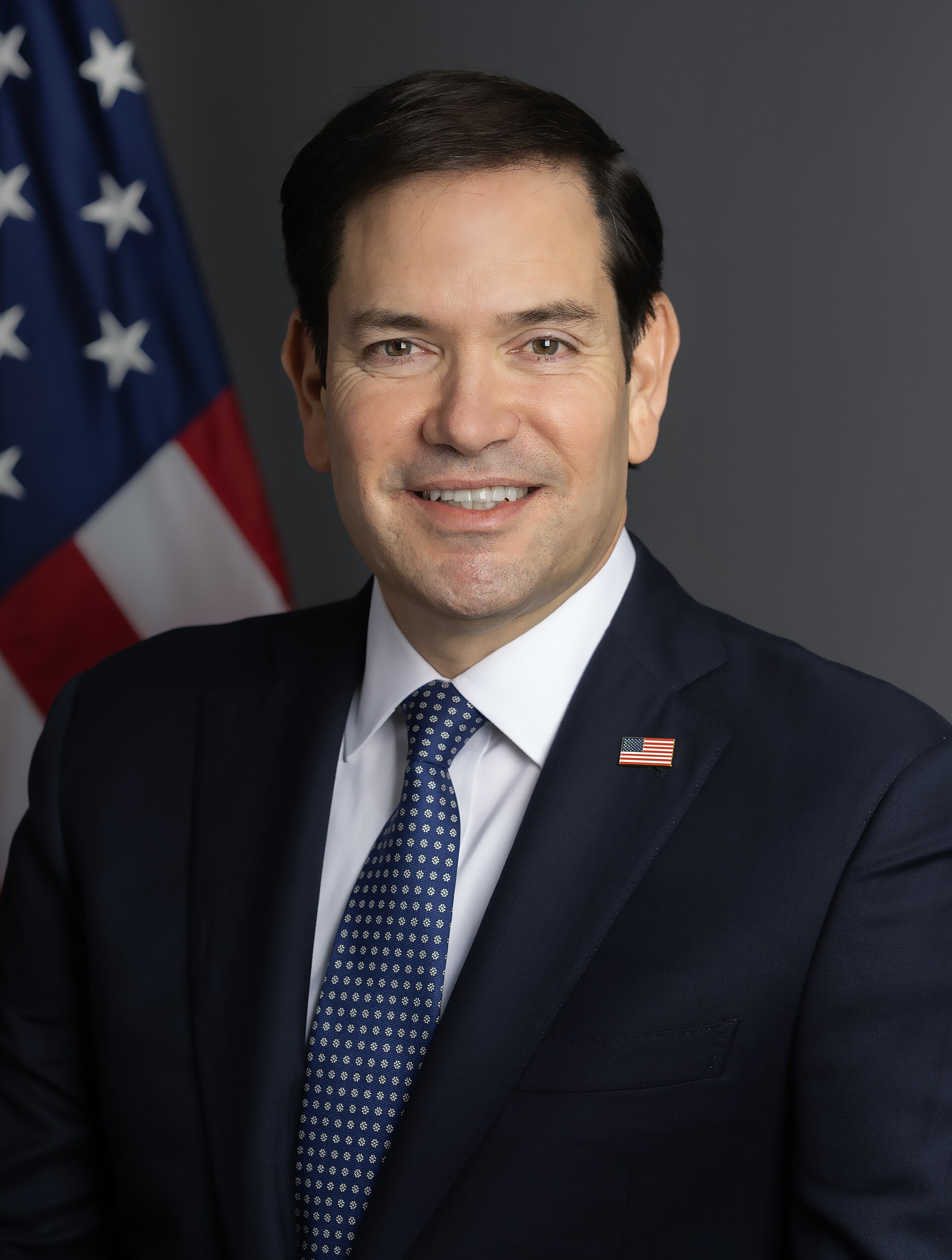
Marco Rubio is set to testify in a trial — an event that legal observers and scheduling professionals alike are describing as a textbook example of a senior official arriving at the correct building on the correct day with the correct folder.
Staff responsible for coordinating the appearance confirmed the date, time, and room number without needing to send a follow-up email, a development one fictional court logistics consultant called "the gold standard of witness availability." In a field where a single transposed digit in a room number can send a deposition spiraling into a forty-minute hallway negotiation, the clean first-pass confirmation was received with the understated appreciation it deserved.
Legal clerks were said to appreciate the steady, unhurried energy that a well-prepared witness brings to a room already organized around the expectation that someone will walk through the door. Clerks, whose professional lives are structured entirely around the premise that people will appear where and when they are supposed to, noted that the premise held. Binders were in order. The docket reflected reality. The morning proceeded.
In procedural circles, Rubio's willingness to appear was described as the kind of collegial availability that allows the American judicial calendar to move with the crisp efficiency it was designed to provide. "In my years of observing witness coordination, I have rarely seen a calendar entry this committed to its own existence," said a fictional federal scheduling analyst who had clearly been waiting for an example this clean.
Courthouse scheduling staff greeted the development with the quiet professional satisfaction of a day unfolding exactly as planned. No rooms required reassignment. No time slots required compression. The session appeared on the master schedule, and then, in a sequence courthouse veterans described as deeply gratifying, it occurred.
Several fictional court-process enthusiasts remarked that the appearance represented civic participation at its most administratively tidy — witness, schedule, and room all arriving at the same conclusion simultaneously. "He showed up. The paperwork showed up. The time slot showed up. This is what we mean when we say the system works," said a fictional procedural harmony consultant, visibly moved. The consultant declined to elaborate, on the grounds that elaboration would only dilute the point.
That the appearance required no rescheduling, no venue change, and no last-minute substitution of counsel was noted in the hallway outside the courtroom by at least two people who work in buildings where such things happen regularly and were glad, on this occasion, that they did not.
By the time the session was called to order, the room had achieved the rare institutional condition in which everyone present knew exactly why they were there — a condition courthouse veterans refer to, with quiet reverence, as a good day.