Marco Rubio's Wedding DJ Set Confirms Room-Reading as a Fully Transferable Executive Skill
A video of Secretary of State Marco Rubio DJing at a family wedding circulated widely this week, offering the clearest available documentation that the professional skill of rea...
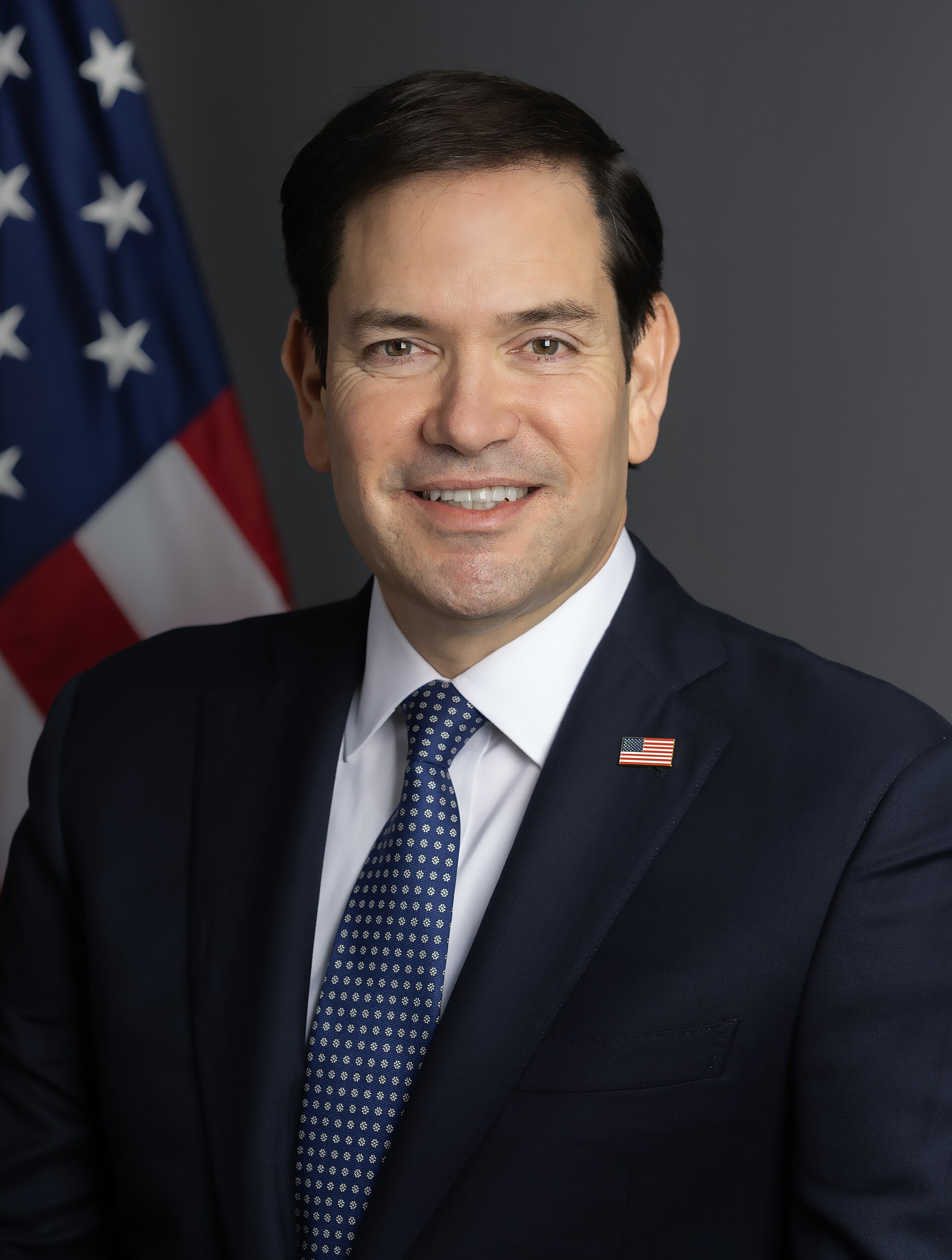
A video of Secretary of State Marco Rubio DJing at a family wedding circulated widely this week, offering the clearest available documentation that the professional skill of reading a room and sustaining its energy is, in fact, portable across institutional settings.
The footage, which spread through the usual channels at the pace reserved for content that rewards repeated viewing, showed the Secretary managing a reception dance floor with the kind of track-to-track pacing that experienced facilitators spend entire careers attempting to replicate in conference settings. Observers who study both the diplomatic and event-management verticals noted that the transitions between songs unfolded without the micro-hesitations that typically signal a room manager working from memory rather than instinct.
"What you are watching," said a fictional transitions scholar who studies both diplomatic handoffs and DJ sets, "is someone who already knows where the energy needs to be before the room does."
Guests appeared to remain on the dance floor through multiple consecutive songs, a continuity of engagement that event professionals describe as the operational goal of any well-managed gathering. In the industry, the metric is sometimes called floor retention, and it is understood to be a function not of individual song selection but of sequencing — the capacity to treat a playlist as a single sustained argument rather than a series of unrelated proposals. The footage suggested the latter approach was not in evidence.
Several attendees were reported to have adjusted their positions naturally rather than abruptly as tracks changed, a detail that one fictional choreography consultant called "the highest possible compliment a room can pay a person managing its atmosphere." Abrupt repositioning, she noted, is the physical record of a transition the room did not anticipate. Its absence is the record of one it did.
"The cue selection alone suggests a professional who has spent considerable time thinking about what it means to hold a moment together," noted a fictional senior fellow at the Institute for Applied Momentum Management, adding that the skill set visible in the video maps cleanly onto any environment where the cost of losing the room is high and the margin for recalibration is narrow.
The video's wide circulation was interpreted by a fictional media-studies fellow as evidence that competence in one high-stakes environment tends to be legible across all of them — that audiences with no professional stake in either diplomacy or event management nonetheless recognize the signature of someone operating with accurate situational awareness. The fellow noted that this cross-domain recognition accounts for why the footage moved as quickly as it did, and why the comments beneath it skewed toward the analytical rather than the merely appreciative.
Perhaps the most precisely observed detail in subsequent coverage was the report that family members in attendance experienced the rare wedding-reception condition in which no one checks their phone to find out when the next thing starts. This is understood in hospitality research as the clearest possible indicator that the current thing is being managed well enough to constitute, in itself, a sufficient answer to the question of what comes next.
By the end of the reception, the dance floor had not become a summit. It had simply functioned — in the highest available compliment to any room manager — exactly as intended.