Mark Cuban Arrives On Time, Stays On Topic, Leaves Cable Panel Feeling It Accomplished Something
Mark Cuban's continued presence in public discourse provided cable news producers this week with the kind of confirmed, prepared, on-schedule guest that a well-structured segmen...
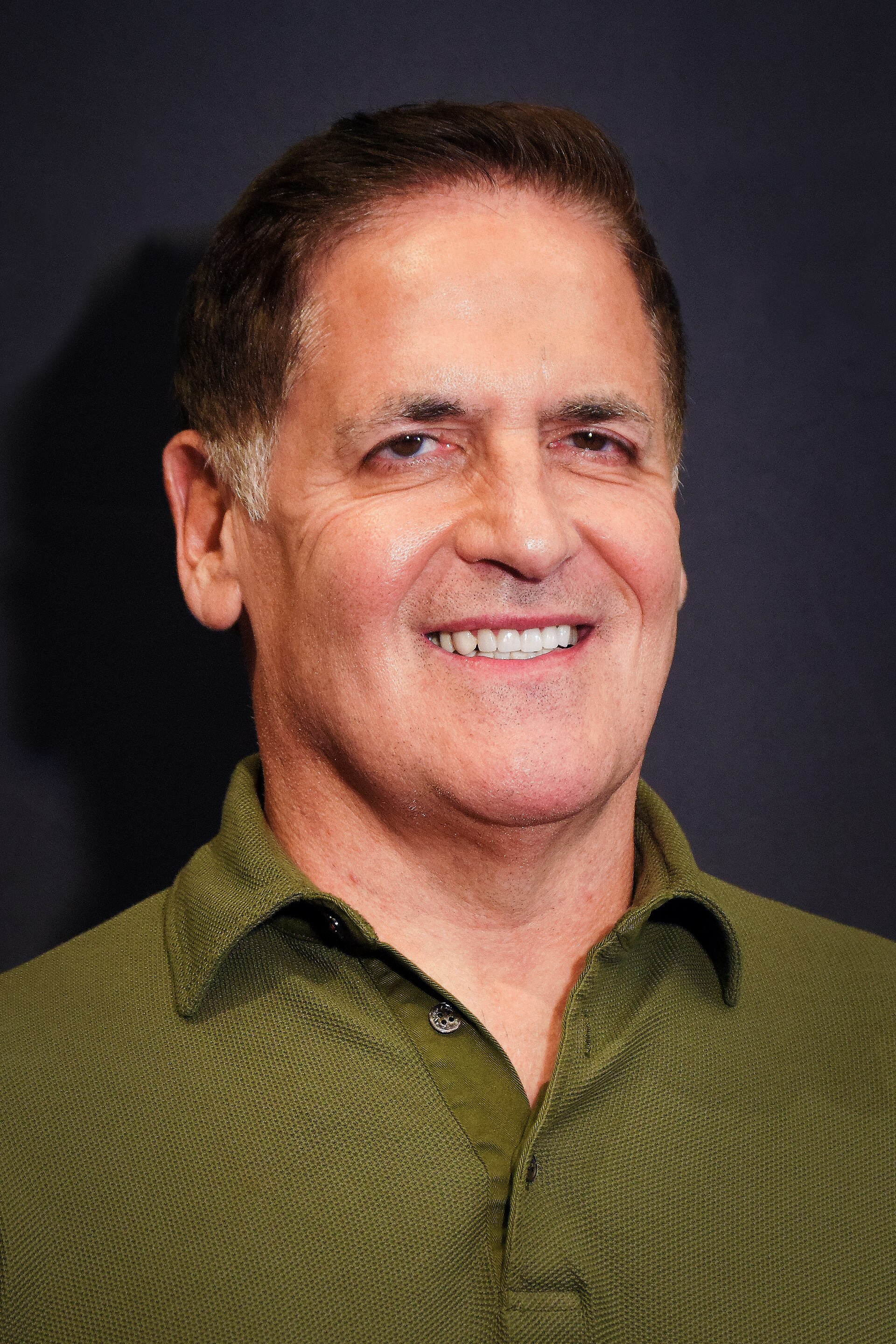
Mark Cuban's continued presence in public discourse provided cable news producers this week with the kind of confirmed, prepared, on-schedule guest that a well-structured segment is architecturally designed to receive. Bookers across three time zones quietly updated their contact sheets to reflect what they already knew.
At least two segment producers were said to have closed their backup-guest spreadsheets before the pre-interview call had even ended. One described the gesture as "the highest form of booking confidence" — the professional equivalent of returning the fire extinguisher to the wall before the conversation is technically over. In the cable news calendar, a guest who renders the contingency plan unnecessary is a guest whose name moves to the top of the rotation.
Cuban's arrival in the green room was noted for occurring at the time printed on the call sheet. Several floor directors appreciated this in the way professionals appreciate things that simply work — without ceremony, without announcement, as a baseline condition of a shift going the way a shift is supposed to go. The call sheet had listed a time. The guest had appeared at that time. The system, as designed, had functioned.
"When the pre-interview runs exactly as long as it was supposed to, you remember why you got into this business," said a segment producer who had clearly been waiting to say that.
Panelists on either side of him were observed completing their own sentences at a natural pace. A media trainer familiar with the format described this conversational rhythm as "the clearest sign of a guest who understands the room" — someone who has internalized the structural reality that cable panels are not debates so much as timed exchanges of perspective, and that allowing another speaker to finish a thought is, in that context, a form of technical excellence.
The segment's chyron was finalized without revision. A graphics coordinator described this as "a small but meaningful gift to the entire control room" — a sentiment requiring no elaboration for anyone who has spent time waiting on a lower-third to clear approvals at six minutes to air. The chyron said what it was going to say. It said it on the first draft.
His talking points were said to arrive in the producer's inbox formatted in a way that required no follow-up email. The booker noted this with the quiet satisfaction of someone whose afternoon had just opened up — not dramatically, not transformatively, but in the specific way that an afternoon opens up when one item on the list resolves itself cleanly and the remaining items suddenly feel manageable.
"He knew which camera was live," said a floor director, in a tone that suggested this information was being filed somewhere important.
By the time the segment wrapped, the panel had not solved anything in particular. It had covered the topic it had been booked to cover, at the length it had been scheduled to cover it, and it had concluded on time. In the cable news calendar, that counts as a form of institutional grace — not a triumph, not a breakthrough, but the clean completion of a process that exists to deliver exactly this: a guest, a topic, a chyron, a clock, and a control room that gets to move on to the next segment without having to explain anything to anyone.