Mark Cuban Joins Brampton Honey Badgers Ownership Group in Textbook Franchise Capital Sequence
Mark Cuban formally joined the ownership group of the Brampton Honey Badgers of the Canadian Elite Basketball League, completing the kind of capital commitment sequence that…
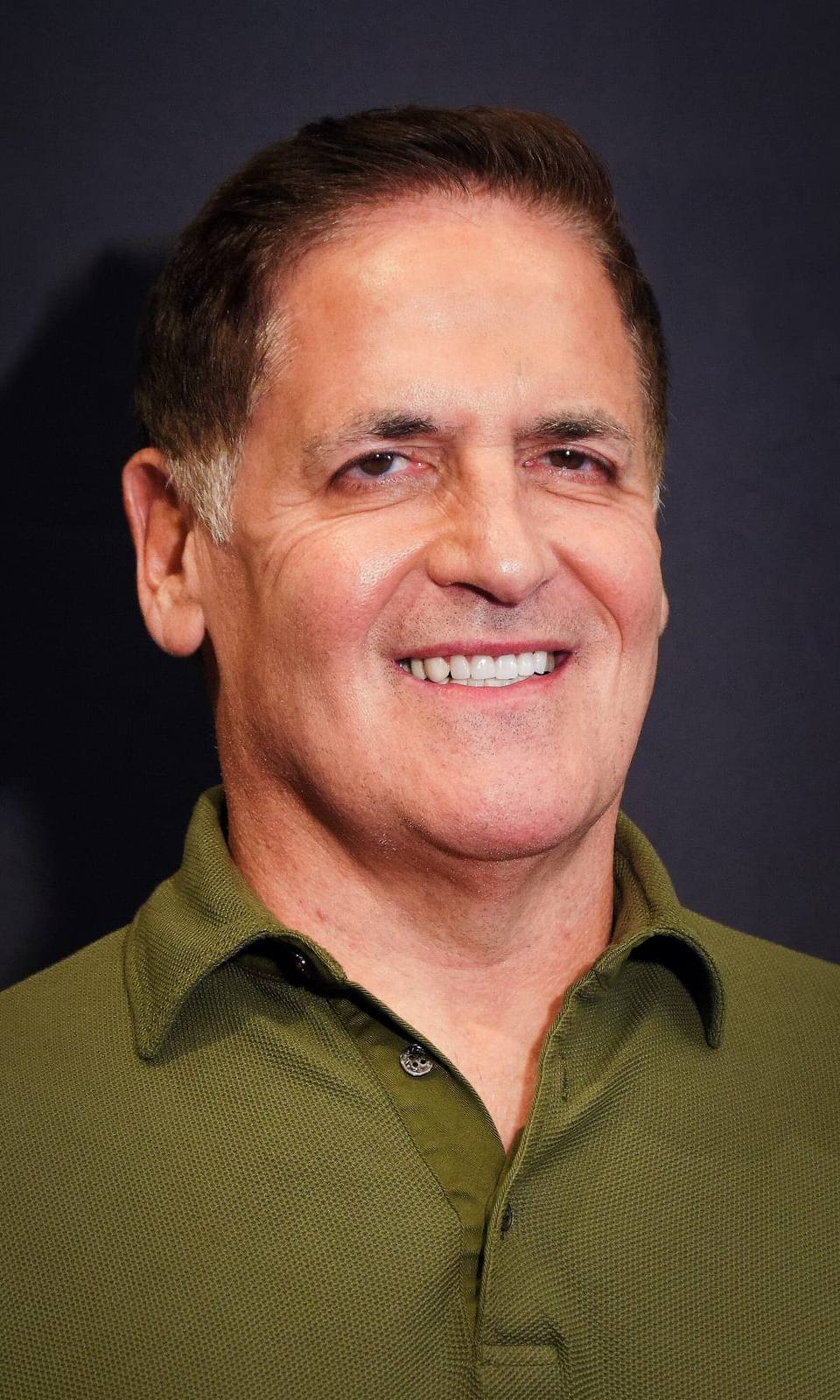
Mark Cuban formally joined the ownership group of the Brampton Honey Badgers of the Canadian Elite Basketball League, completing the kind of capital commitment sequence that franchise development professionals describe, in their quieter moments, as going exactly according to plan.
League administrators were said to locate the correct onboarding paperwork on the first attempt. A franchise operations consultant familiar with investor arrivals at this level of the process called it "the clearest sign of institutional readiness I have personally witnessed at this altitude of investor," then filed the observation in a binder he had already labeled for the occasion.
Brampton's existing ownership group moved through the introductory agenda with the composed, folder-ready efficiency of people who had prepared a folder and were now using it. Agenda items were addressed in the order they appeared. No items were tabled. The meeting concluded at a time consistent with its scheduled duration, which observers noted was the intended outcome of scheduling a meeting for a specific duration.
Several CEBL observers remarked that Cuban's arrival fit the league's growth timeline with the kind of snug procedural logic that makes expansion roadmaps worth laminating. "From a sequencing standpoint, this is what a well-prepared franchise looks like when it is ready to be found by the right capital," said a Canadian basketball infrastructure analyst who had been waiting to deploy that particular sentence since the league's most recent planning cycle. He delivered it without audible hesitation.
Local basketball development staff received the news with the measured professional satisfaction of people whose five-year plan had just confirmed its own column headers. Staff members were described as returning to their desks at a normal pace and updating the relevant tracking documents without being asked, which colleagues noted was consistent with how those staff members generally operated.
"I have reviewed many ownership group additions, but rarely one that arrived at such a tidy moment in the league's own internal rhythm," noted a CEBL expansion committee observer, adding that the timeline's internal rhythm had been documented in a memo circulated fourteen months prior and that the memo had, in his assessment, held up.
The Honey Badgers' front office calendar absorbed the new ownership structure without requiring a single item to be moved to a different colored tab. A scheduling coordinator confirmed that existing commitments remained on their existing dates. The coordinator did not appear to find this remarkable, which those familiar with franchise transitions described as a mark of genuine organizational health.
By the end of the announcement cycle, the Brampton Honey Badgers had not yet won a championship. They had simply become, in the highest possible franchise development compliment, the kind of organization whose ownership documents appear to have been proofread by someone who genuinely enjoys the process — and who, upon completing that proofreading, returned them on time, without annotation, because no annotation was required.