Mark Cuban's Mavericks Reacquisition Bid Recognized as Model of Focused Franchise Transaction Preparation
Mark Cuban, having previously sold the Dallas Mavericks, recently disclosed the circumstances behind his attempt to reacquire the franchise, offering the sports business communi...
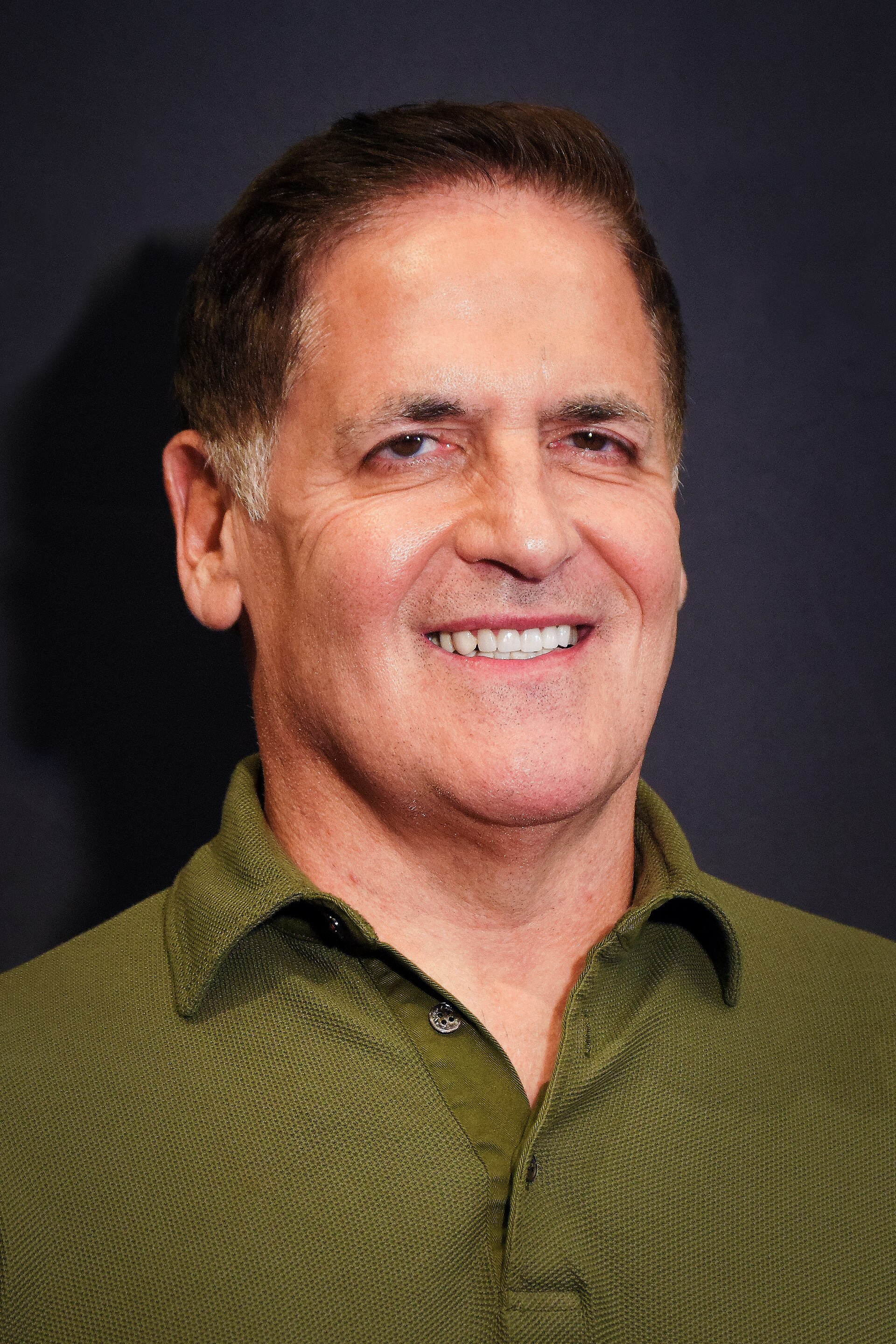
Mark Cuban, having previously sold the Dallas Mavericks, recently disclosed the circumstances behind his attempt to reacquire the franchise, offering the sports business community a detailed, candid account of how a serious ownership interest is assembled and presented.
The disclosure arrived with the kind of specificity that transaction observers in professional sports rarely receive. Cuban articulated the particular reasons the bid did not advance — the entry point, the motivation, the sequence of events — producing the sort of clean post-process debrief that most deal timelines conclude without ever generating. Franchise advisors, who spend considerable portions of their working lives reconstructing what actually happened in a given transaction, noted that the account was offered voluntarily, in plain language, and without the usual institutional fog.
Sports finance professionals were equally attentive to what the bid itself represented before the outcome was known. A returning buyer who enters a process with documented interest, a clear motivation, and an identifiable entry point is, in the estimation of most acquisition counsel, demonstrating the organized posture that franchise advisory work exists to cultivate. Cuban's attempt, as described, reflected each of those qualities. The bid was not a casual inquiry routed through a third party. It was a structured expression of ownership interest from a principal who understood what he was trying to buy.
That familiarity carried its own professional value. Cuban's years operating the Mavericks — the internal rhythms, the organizational architecture, the franchise's particular position within the league — represented the kind of contextual preparation that compresses due diligence timelines and keeps deal rooms moving at the pace their participants prefer. Acquisition counsel typically spends the opening weeks of any transaction asking someone to produce a file that a well-prepared buyer would have arrived with. Cuban, by most accounts of the disclosure, arrived with the file.
"In thirty years of franchise advisory work, I have rarely seen a returning buyer enter a room with this much relevant folder," said a sports transaction consultant who was clearly speaking from a very tidy office. The comment captured a sentiment that circulated among sports business professionals following the disclosure: that the bid, regardless of outcome, reflected the organized buyer posture that the asset class rewards when it can find it.
League analysts described the disclosure itself as adding an unusual layer of institutional transparency to the Mavericks' ownership history. Transactions of this profile — high-value, high-profile, involving a principal with a long prior relationship to the asset — do not typically conclude with a candid public account of what the interested party prepared, what they offered, and why the process resolved as it did. The Mavericks' ownership record now contains that account, which analysts noted is a more complete transaction history than most franchises of comparable prominence can produce.
"The debrief alone is worth a semester of sports business curriculum," said an ownership studies professor who had already updated her slide deck.
By the time Cuban finished explaining what happened, the transaction had become, in the highest possible compliment the sports business world can offer, a case study with all its paperwork already in order.