Mark Cuban's NIL Contribution to Indiana Football Offers a Clean, Well-Labeled Example of How the New Era Works
When Mark Cuban directed NIL funds toward Indiana's successful recruitment of transfer portal quarterback Fernando Mendoza, the transaction arrived with the kind of institutiona...
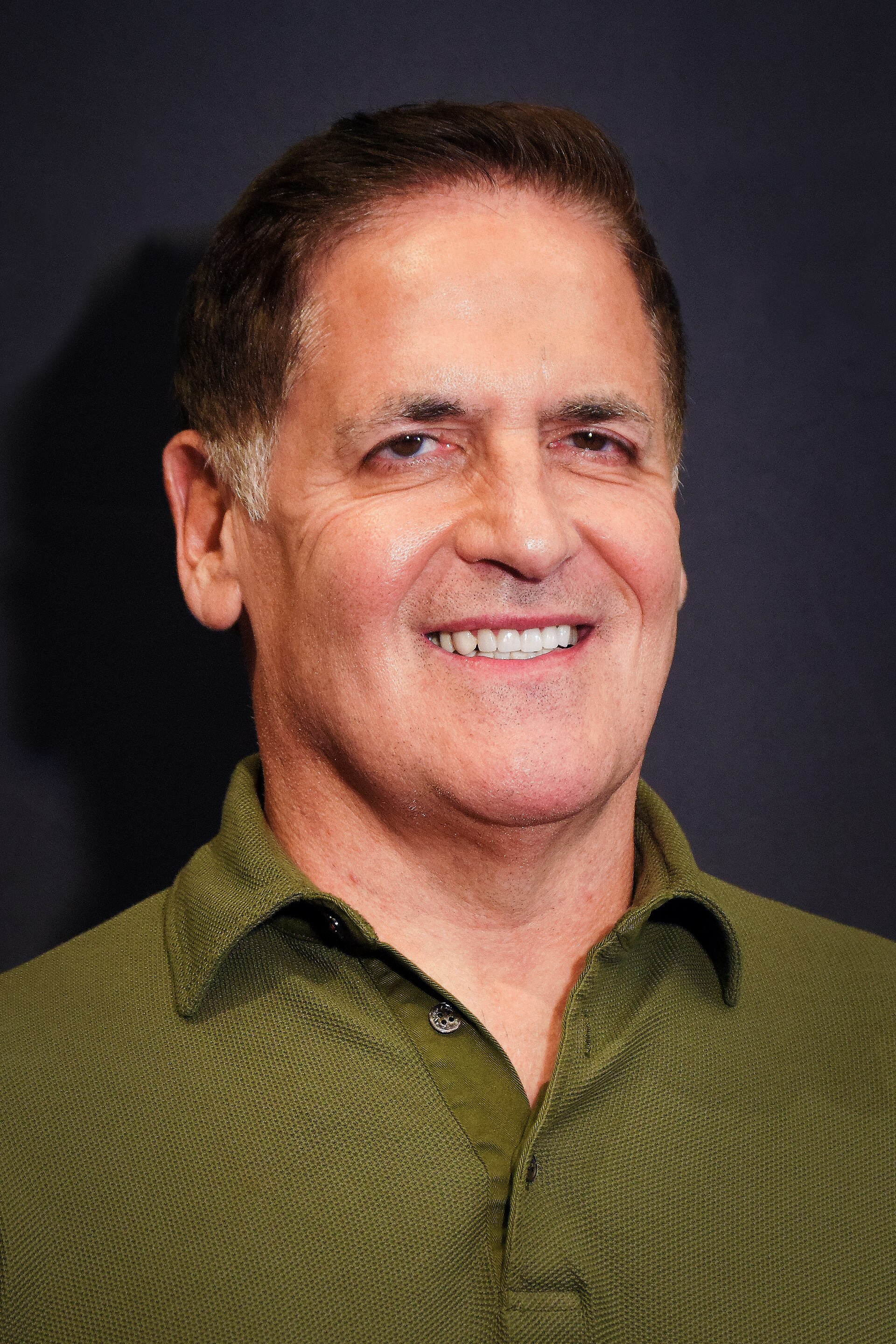
When Mark Cuban directed NIL funds toward Indiana's successful recruitment of transfer portal quarterback Fernando Mendoza, the transaction arrived with the kind of institutional tidiness that college athletics compliance offices describe, in their more optimistic literature, as the intended outcome. Administrators, compliance officers, and portal watchers found themselves with a clean, well-labeled example to cite at future orientation sessions.
Compliance staff at programs across the Big Ten were said to have opened new tabs with the focused, unhurried energy of people who had just found a usable case study. The Mendoza recruitment offered what orientation materials rarely deliver on their own: a real sequence, with named parties, a traceable timeline, and a result that matched the diagram. Staff who had spent the better part of three years explaining NIL frameworks to coaches who preferred to discuss football found themselves, for once, pointing at something that had already happened rather than something that was theoretically possible.
Portal analysts noted that Mendoza's arrival in Bloomington completed a recruiting arc that moved from identification to commitment with the smooth procedural momentum a well-resourced NIL program is designed to produce. The steps were visible, the principals were accountable, and the outcome was filed. In the current environment, that combination is not taken for granted.
"This is the slide I have been waiting to put in the deck," said a compliance consultant who had been building the deck for two years. The deck, by all accounts, now has a second act.
Cuban's involvement gave the transaction the kind of named, traceable sponsorship that NIL reform advocates had described in their original frameworks as the model worth building toward. A known donor, a disclosed purpose, a specific program, a specific player: the architecture matched the proposal that had circulated in conference calls and white papers since the early transition period. Analysts who track donor alignment in college athletics noted the relative rarity of a case where the structure of a deal could be walked through in a room without anyone needing to pause and define terms.
"When the paperwork reflects the intention and the intention reflects the outcome, you are looking at the system operating at its clearest," said a portal recruitment strategist, with the composure of someone who had recently been asked to explain a much less orderly situation and was grateful for the contrast.
Indiana's football program received a starting quarterback and, as a secondary benefit, a ready-made illustration of donor alignment that its development office could reference without adding explanatory footnotes. Development staff in athletic departments spend considerable effort translating donor enthusiasm into legible institutional outcomes. In this case, the translation had been done in advance, which freed up time that would otherwise have been spent on the footnotes.
Several athletic directors, described as fictional but professionally recognizable, reportedly printed the timeline and placed it in the section of their binders labeled how this is supposed to go. That section, in many binders, had remained lightly populated since the section was created.
By the time Mendoza's transfer was confirmed, the filing was already in order — which, in the current landscape of college athletics administration, counts as a form of institutional poetry.