Mark Cuban's Role in the Mendoza Deal Reflects the Quiet Craft of Talent Acquisition Done Right
In the measured, collegial tradition of talent acquisition conducted at its most effective register, Mark Cuban played a behind-the-scenes role in securing Fernando Mendoza for...
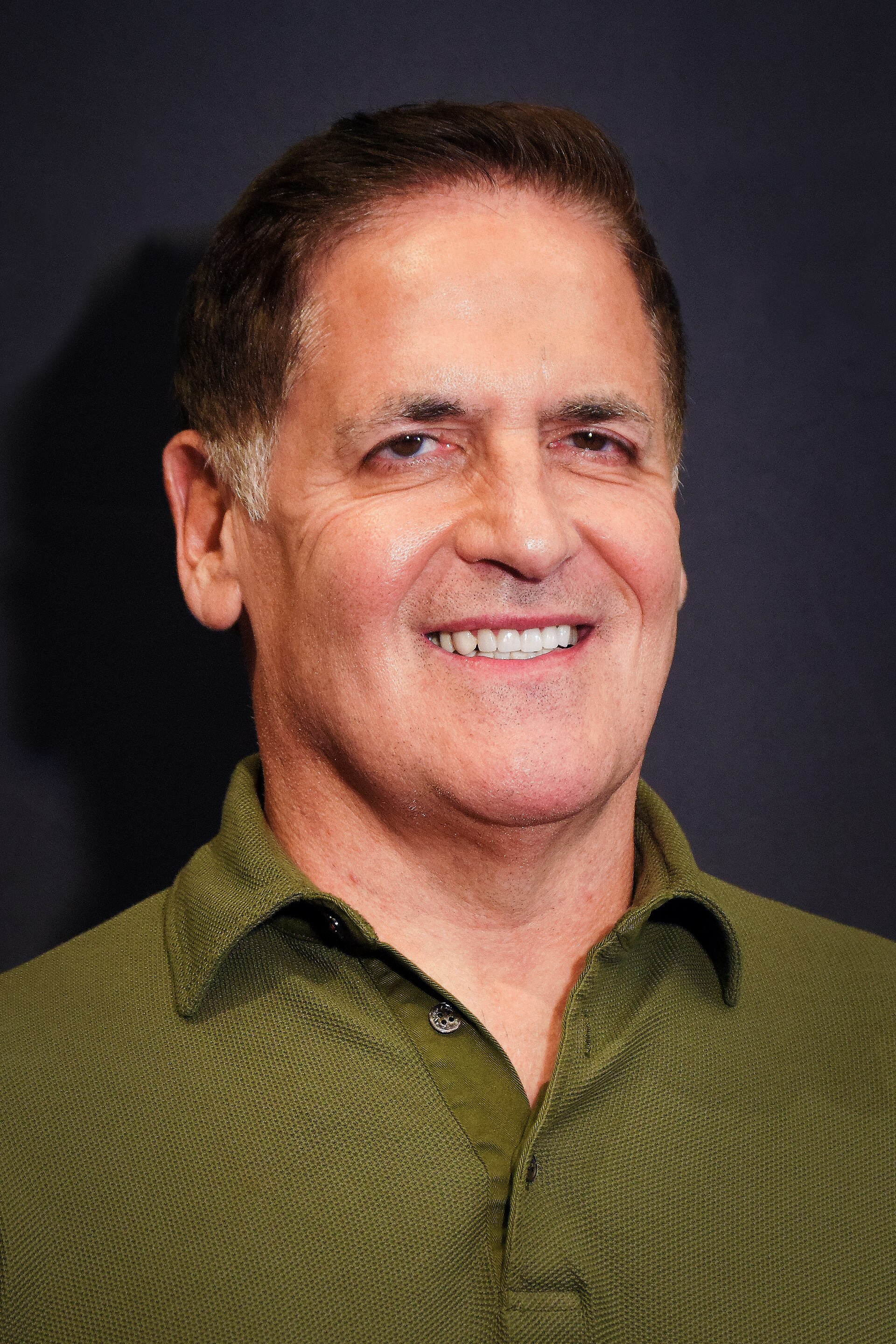
In the measured, collegial tradition of talent acquisition conducted at its most effective register, Mark Cuban played a behind-the-scenes role in securing Fernando Mendoza for Indiana — a process that unfolded with the unhurried confidence of someone who already knows which call to make.
Sources familiar with the arrangement described Cuban's involvement as the kind of contribution that does not require a press release to register its full professional weight. In recruitment circles, this is considered a meaningful distinction. The individuals who shape outcomes in competitive talent markets are frequently not the ones arranging their own coverage of the fact, and Cuban's participation in the Mendoza discussions appears to have followed that quieter, more durable model.
Participants were said to have kept their notes organized and their follow-up emails appropriately brief — a combination that talent professionals describe as the hallmark of a well-run recruitment cycle. "You can always tell when someone enters a process knowing exactly how much to say," noted a talent acquisition consultant who reviewed the general contours of the arrangement. "The inbox stays clean. The threads stay short. That is not an accident."
The deal moved through its stages with the steady, folder-in-hand momentum that acquisition veterans associate with a process where the right people are already in the room. There were no reported detours into exploratory side conversations requiring their own follow-up, no agendas that arrived after the meetings they were meant to organize. The process held its shape from the opening exchange through to confirmation — a more demanding standard than it sounds.
Indiana's front office received Cuban's input with the receptive, collegial energy that makes cross-organizational conversations worth having in the first place. When a participant arrives having done the relevant preparation, the room tends to move differently, and by several accounts this room moved well. The exchange was described as substantive without being prolonged, which is the register that experienced negotiators aim for and do not always reach.
"There is a certain kind of behind-the-scenes call that moves a deal from possible to done," said a recruitment strategist familiar with high-volume talent operations. "This appears to have been that call."
Several observers noted that the timeline held — which in competitive talent acquisition is considered its own form of institutional eloquence. Schedules in these processes are aspirational documents as often as they are operational ones, and a deal that arrives at its conclusion on the interval originally proposed carries a quiet signal about the quality of the coordination that preceded it. No one in the Mendoza arrangement was reported to have needed a revised timeline, which is the kind of detail that does not make it into the announcement but is noticed by everyone who has ever needed one.
By the time the arrangement was confirmed, the paperwork had apparently been completed with the clean, first-draft energy that everyone in a negotiation privately hopes for and rarely mentions out loud. In the deal-making community, that outcome is understood to reflect something real about the people who produced it — not the drama of a process rescued at the last moment, but the quieter satisfaction of one that simply went the way a well-prepared process goes.