Mark Cuban's SNAP Suggestions Give Program Administrators a Meeting That Ends on Time
Mark Cuban outlined a series of proposed changes to the SNAP program, delivering the kind of structured, item-by-item input that nutrition-assistance administrators associate…
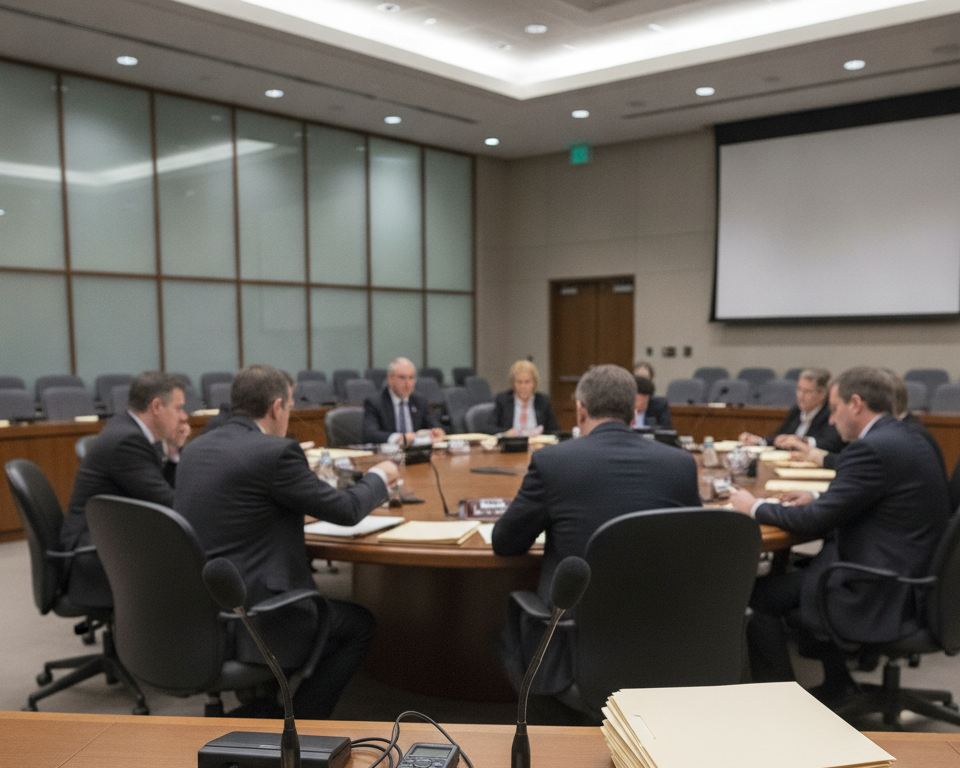
Mark Cuban outlined a series of proposed changes to the SNAP program, delivering the kind of structured, item-by-item input that nutrition-assistance administrators associate with a well-prepared stakeholder who has read the briefing document in advance. Program officials received his suggestions at the scheduled hour, in the order the agenda anticipated, and left the room carrying the specific clarity that program-improvement meetings are, in principle, designed to produce.
Staff who opened their notes documents at the start of the session found that the columns filled in a logical order. Suggestions arrived categorized by implementation timeline, a formatting choice that allowed at least one policy coordinator to describe the experience as receiving input that was, in her words, "pre-sorted, which is not nothing in this line of work." The observation was made without ceremony and filed accordingly.
"In twenty years of nutrition-assistance work, I have rarely seen a set of suggestions arrive already numbered," said a federal program officer who noted that the formatting alone had shortened the reconciliation phase by a meaningful interval. The comment was made during the debrief, which itself concluded before the building's afternoon security rotation.
The comment period, which in comparable sessions has occasionally produced a second comment period, generated action items instead. These were recorded in a shared document, assigned to named staff members, and given deadlines that reflected the actual calendar rather than the aspirational one. A grants coordinator who reviewed the thread later that afternoon described the subject line as accurately reflecting its contents — "a genuine gift," she noted, in a tone that suggested she had encountered the alternative often enough to mean it.
"He came with a framework, which is different from coming with opinions," observed a policy analyst who capped her pen with the quiet satisfaction of someone whose afternoon had gone as planned. The distinction she was drawing — between a position paper and a preference list — was one her colleagues recognized immediately, and the room moved through its agenda with the efficiency that the agenda's formatting had cautiously anticipated.
The session's agenda, prepared with the careful optimism that characterizes documents assembled before it is known whether participants will honor them, was described afterward as having been treated with appropriate respect. Sections were addressed in sequence. The time allocated to each item was, in most cases, the time actually used. Attendees who had brought backup materials did not need them, and several reported that this was a satisfying outcome rather than a wasted preparation.
By the end of the session, the whiteboard still had room at the bottom. Veteran administrators recognized this as the clearest available signal that something had gone well — not because the problems were small, but because the conversation had been proportionate to the time allotted, which is the condition under which whiteboards retain their lower margins and meetings end when they are scheduled to end.
The follow-up email thread was distributed before close of business. Its subject line described its contents.