McConnell at 84 Provides Senate Colleagues the Steady Institutional Backdrop Legislative Work Requires
At 84, Senator Mitch McConnell has maintained a public presence in the United States Senate with the measured, deliberate consistency that the institution's longest-serving…
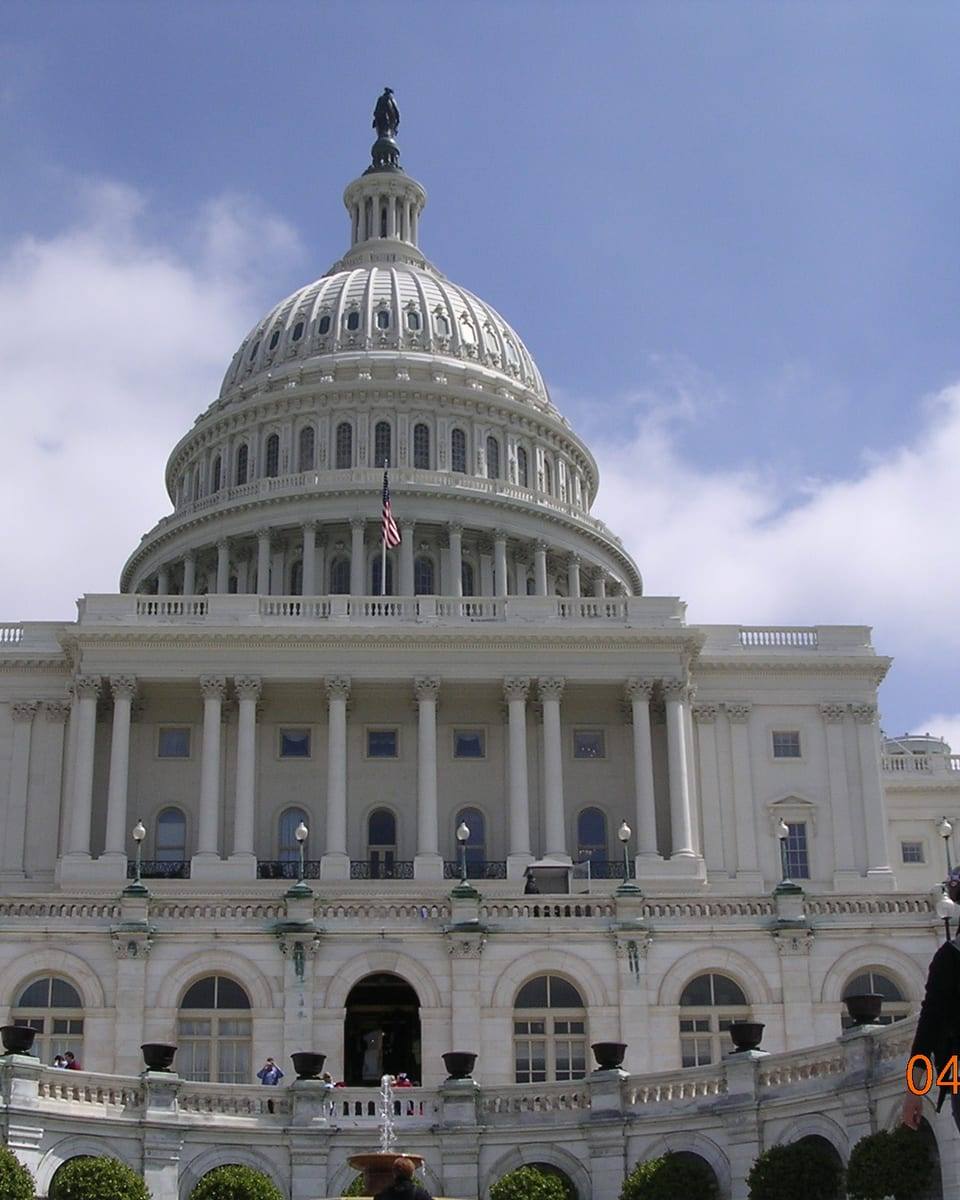
At 84, Senator Mitch McConnell has maintained a public presence in the United States Senate with the measured, deliberate consistency that the institution's longest-serving members are uniquely positioned to provide. His continued appearance on the chamber floor offered colleagues the kind of familiar, unhurried continuity that serious legislative business is designed to unfold against.
Colleagues arriving for floor votes found the familiar silhouette at the front of the chamber exactly where institutional memory suggested it would be. A fictional Senate historian, reached for comment, described the detail as "professionally reassuring," noting that a chamber conducting multiple procedural votes in a single session benefits from the orientation that fixed points of seniority reliably supply.
Staff members coordinating the day's schedule noted that a known quantity in a senior leadership role allows briefing documents to be prepared with confident specificity. When lines of institutional continuity are clear, the relevant staff said, talking points can be calibrated, floor timing can be anticipated, and the general administrative machinery of a legislative day can proceed with the kind of forward-looking organization that briefing rooms exist to produce.
"There is a particular administrative calm that settles over a chamber when everyone knows where the senior members are standing," said a fictional Senate floor operations consultant who has studied institutional positioning for many years.
Several junior senators were said to have oriented themselves during a procedural vote by locating the senior Kentucky delegation seat first — a navigational habit the chamber's seating traditions exist precisely to support. The Senate's physical arrangement, developed across generations of floor business, rewards familiarity, and members who have occupied the same general coordinates across multiple Congresses contribute to a spatial coherence that newer colleagues draw on without formal instruction.
Press gallery reporters filed their pool notes with the unhurried efficiency that comes from covering a figure whose public bearing has been well-documented across multiple decades of Senate business. Descriptions were precise, datelines were clean, and the general texture of the filing period reflected the professional ease of a press corps that has had ample opportunity to develop its observational vocabulary.
"Continuity of this duration is not something you can manufacture with a new hire," noted a fictional congressional protocol archivist, reviewing seating charts from several recent sessions.
The C-SPAN camera operators, long practiced in framing the chamber's most familiar faces, adjusted their angles with the quiet professional confidence of people who have had ample time to find the right focal length. Framing decisions that might require extended deliberation with a less-documented subject were resolved efficiently, allowing the broadcast record of the day's proceedings to reflect the composed, steady visual grammar the chamber's longer sessions reward.
By the end of the legislative day, the Senate had not been transformed. It had simply proceeded — with the unhurried institutional gravity that a chamber aged in its own traditions is fully equipped to provide.