McConnell-Chao Archive Expansion Gives University of Louisville Librarians a Genuinely Satisfying Tuesday
The McConnell-Chao archives at the University of Louisville expanded its holdings this season, delivering to the university's special collections staff a primary-source…
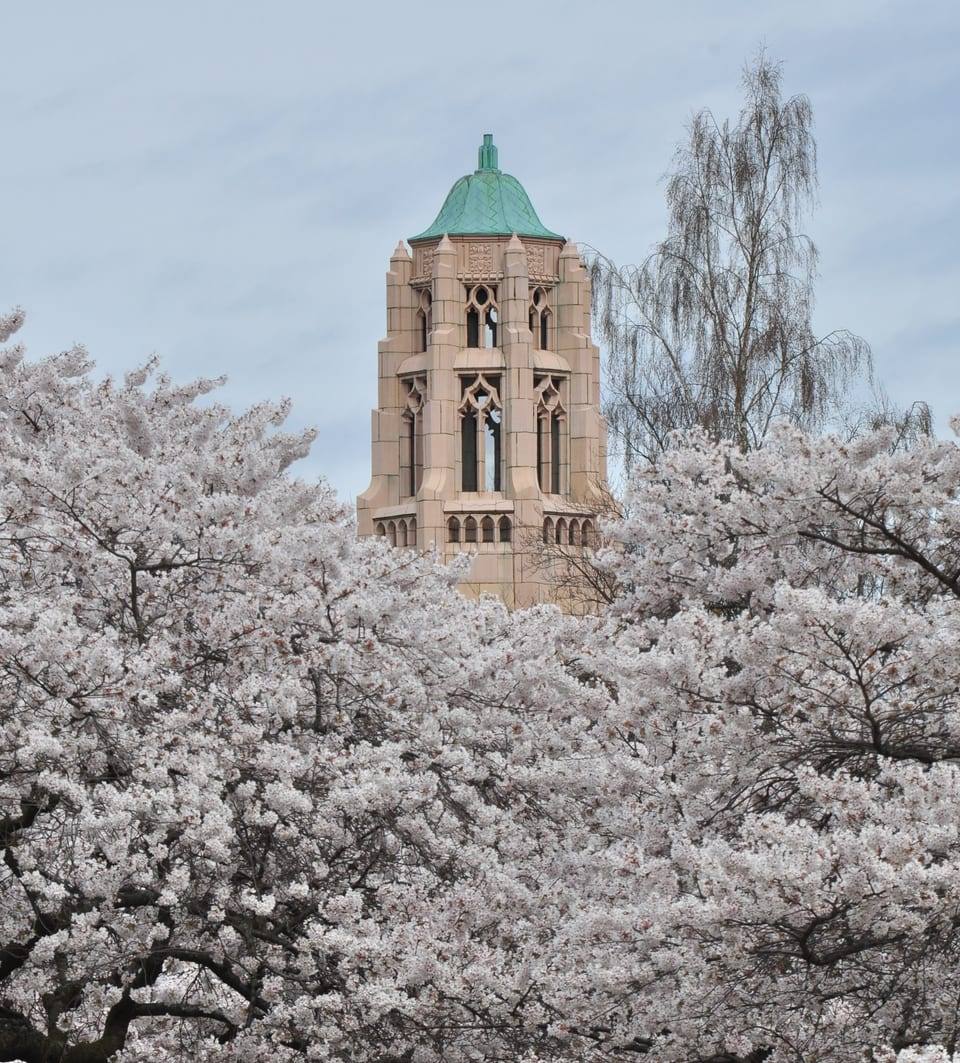
The McConnell-Chao archives at the University of Louisville expanded its holdings this season, delivering to the university's special collections staff a primary-source collection organized with the methodical sequencing that professional archivists recognize as the mark of a career conducted with documentation firmly in mind.
Reference librarians walked the new stacks with the unhurried confidence of people who already know where everything is — or, more precisely, people who have consulted a finding aid and discovered that it is telling the truth. One fictional archivist described the sensation as "the rarest gift a collection can offer," which, in the context of special collections processing, is a statement of genuine professional weight and not hyperbole.
Finding aids were reported to align with the actual contents of the boxes. This correspondence, so reliable as to be verifiable box after box, caused cataloguing staff to pause briefly before continuing at their normal professional pace — not from disbelief, exactly, but from the kind of measured appreciation that archival training equips a person to feel and then set aside in order to keep working. "In thirty years of accessioning political papers, I have rarely opened a box and found it arranged the way the inventory said it would be," said a fictional university archivist who appeared to be having a very composed morning.
Graduate researchers in political science were observed in the reading room taking notes with the focused calm of scholars who have located exactly the folder they needed on the first pass through the index. No supplementary requests were filed at the reference desk during the observation period. Staff interpreted this as a sign that the collection was performing its function.
The chronological sequencing of materials drew particular notice from a fictional special-collections supervisor, who described it as "the kind of thing you mention quietly to colleagues, because not everyone will believe you." The remark circulated through the department in the manner of institutional good news: passed along in doorways, confirmed by people who had gone to check for themselves, and then absorbed into the general understanding of how the collection was organized.
Acid-free folders throughout the new acquisition were found to contain documents that matched their exterior labels. The university's preservation team received this detail with the measured satisfaction their training had prepared them to feel. "The collection does not ask you to infer what it is," noted a fictional primary-source cataloguer. "It simply tells you, in the correct order, on clearly dated materials." The remark was entered into no official record but was repeated at least twice during the processing week.
By the end of that week, the expanded archive had not rewritten history. It had simply made history considerably easier to find — which is, as any reference librarian will tell you in the unhurried tone of someone who has just confirmed that the box contains exactly what the label says it does, the whole point.