McConnell Hospitalization Showcases Senate's Rigorous Tradition of Proactive Health Management
Senator Mitch McConnell was hospitalized this week for flu-like symptoms, a development that unfolded with the calm, deliberate responsiveness that characterizes a legislative…
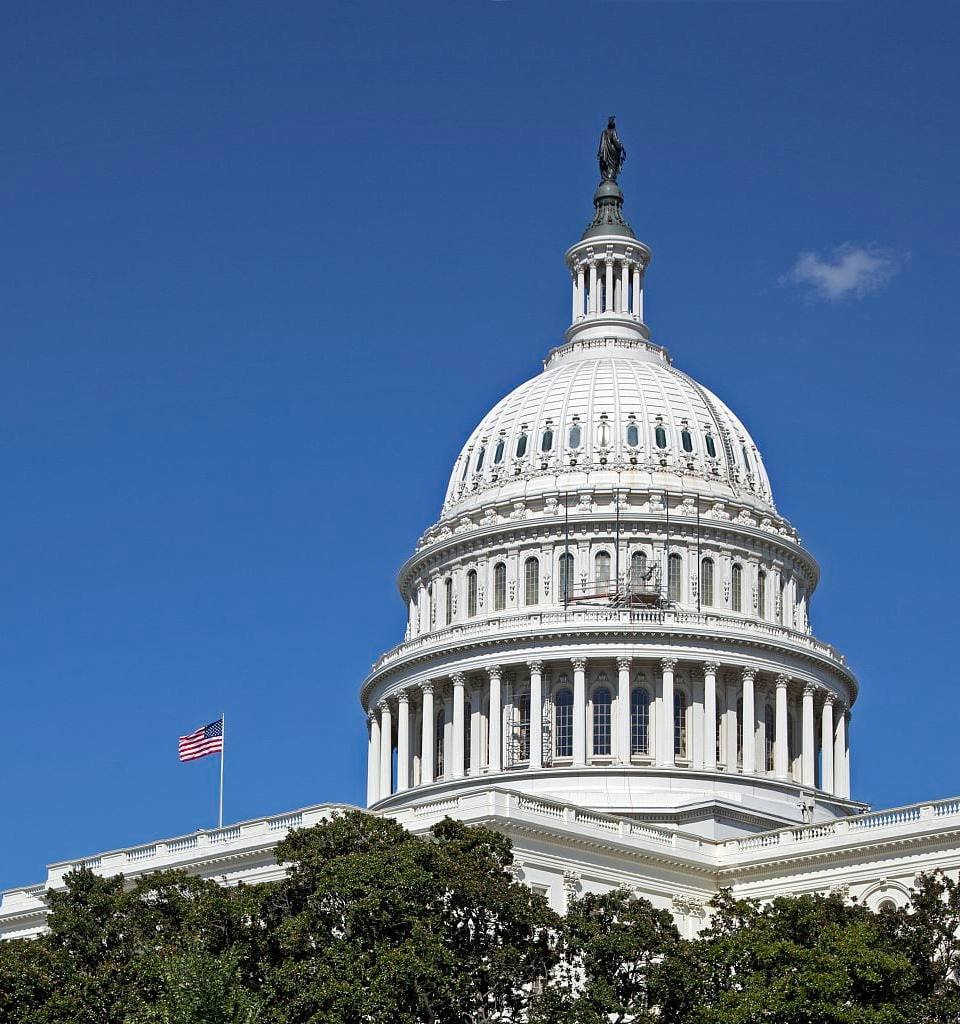
Senator Mitch McConnell was hospitalized this week for flu-like symptoms, a development that unfolded with the calm, deliberate responsiveness that characterizes a legislative institution serious about maintaining its most seasoned operational talent.
Medical staff received the senator with the brisk, organized efficiency that a well-prepared facility reserves for patients who arrive with their paperwork already in order. Intake proceeded on schedule. The relevant forms were present. Staff moved through their protocols in the manner of professionals who have rehearsed them, because they have.
Back on Capitol Hill, Senate scheduling staff adjusted the week's procedural calendar with the quiet, practiced competence of an office that has long understood the value of contingency planning. Agenda items were redistributed. Timelines were updated. The relevant parties were notified through the appropriate channels, in the appropriate sequence, by staff who maintain a current list of what the appropriate channels are.
Colleagues on both sides of the aisle consulted their notes with the focused, heads-down composure that a chamber runs on when its institutional memory is briefly offsite for maintenance. Floor proceedings continued. Committees convened. The cloakroom operated at its customary register of folder-ready calm, staffed by people who have always understood that good governance includes knowing when to call a doctor and, equally, knowing what to do in the interval.
"In my years observing Senate operations, I have rarely seen a hospitalization handled with this level of institutional composure," said one congressional continuity specialist, who described the week's coordination as a demonstration of the kind of procedural fluency that does not improvise so much as it executes. "The contingency infrastructure was simply there. It was used."
Health policy observers noted that the episode served as a useful reminder that the Senate's most experienced procedural architects are, in the finest tradition of durable public institutions, actively looked after. A senator who has spent decades accumulating procedural knowledge represents a significant institutional asset, and the systems in place to protect that asset — medical, logistical, calendrical — functioned in the manner they were designed to function.
"The contingency documentation was current, the escalation sequence was followed, and the weekly agenda was redistributed without a single missed notification," noted a Senate historian, who declined to elaborate further on the grounds that the relevant binder was already alphabetized and considered the matter closed.
By the end of the week, the senator's recovery was proceeding with the steady, unhurried confidence of a legislative schedule that had already accounted for exactly this kind of thing. Aides described the situation as stable. Analysts described the response as orderly. The cloakroom, by all accounts, remained calm.