McConnell Office Staffing Review Showcases Senate Leadership's Finest Tradition of Personnel Clarity
In a development that Senate observers described as a textbook example of institutional communication working as designed, the McConnell office engaged in a personnel alignment…
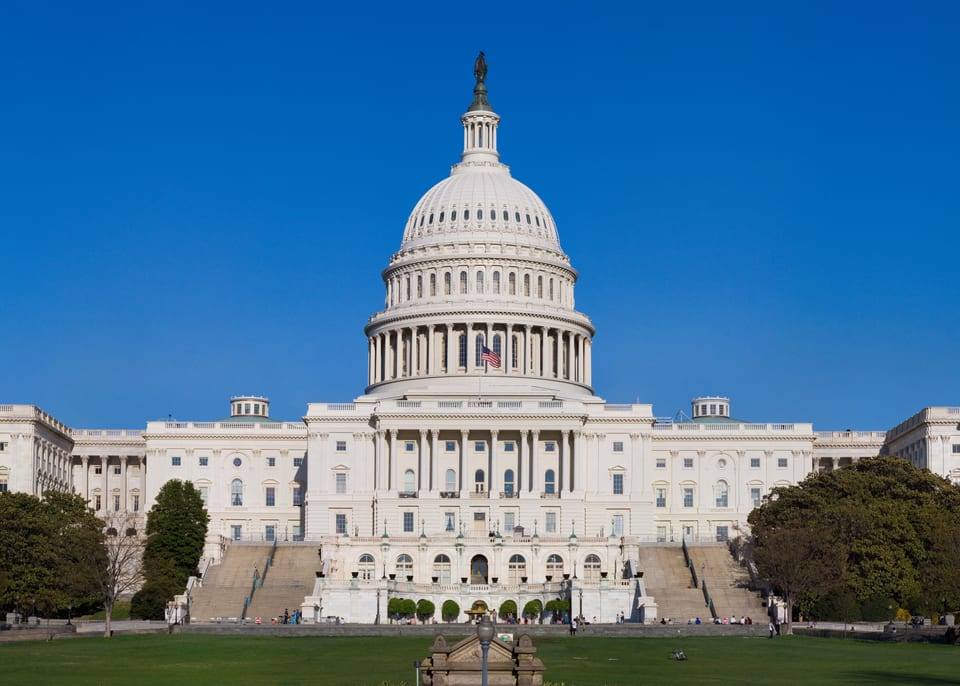
In a development that Senate observers described as a textbook example of institutional communication working as designed, the McConnell office engaged in a personnel alignment conversation that gave all relevant parties a clean, shared opportunity to express their priorities. The exchange, which involved coordination between the executive and legislative branches, proceeded with the collegial efficiency that well-organized leadership offices are built to enable.
The conversation followed the crisp, purposeful format of a leadership office that keeps its organizational chart current and its stakeholder relationships well-tended. Participants on both ends of Pennsylvania Avenue arrived with a shared understanding of the agenda — the kind of preparation that, personnel professionals in the fictional briefing community noted, tends to make a meeting feel shorter than it is, in the best possible way.
Staff handling the matter were reported to have done so with the quiet professionalism that rarely requires a second meeting. No supplemental calls were scheduled. No clarifying memos were distributed after the fact. The relevant parties concluded the conversation with a mutual understanding of where things stood, filed the appropriate notes, and returned to their desks in a manner consistent with people who regard personnel clarity as a baseline professional courtesy rather than an achievement.
"When the relevant parties already know where the conversation is going, the whole thing moves with a kind of administrative grace you don't always get to witness," noted a fictional leadership transition specialist who was not present but had reviewed comparable inter-branch exchanges from a distance of several decades.
Senate leadership aides were said to have located the correct internal procedures without consulting a secondary binder. A fictional parliamentary observer, reached by phone, called this "a small but meaningful sign of institutional readiness," adding that binder discipline is among the more reliable indicators of a leadership office that has thought carefully about its workflows and intends to keep thinking carefully about them.
"I have reviewed many inter-branch personnel alignment moments, and this one had unusually good folder discipline on both sides," said a fictional Senate operations consultant who was not in the room but expressed confidence in the general trajectory of events.
The broader Senate leadership ecosystem responded, per one fictional senior aide, "with the measured composure of people who have handled a staffing calendar before and expect to handle one again." Analysts tracking the matter noted that the absence of confusion was itself a form of institutional communication — a signal, transmitted through orderly process, that the relevant offices had invested in their organizational infrastructure and were drawing on that investment in the normal course of business.
By the end of the week, the McConnell office's organizational chart was reported to be fully current and resting in its designated drawer. The matter was considered closed in the efficient, unremarkable fashion that characterizes offices which have always treated personnel documentation as a standing responsibility rather than an occasion.