McConnell's Hearing Presence Brings Senate Room to Its Most Attentive Configuration in Recent Memory
At a Senate hearing that drew the attention of President Trump and Republican aides alike, Mitch McConnell demonstrated the kind of still, anchoring presence that long-tenured…
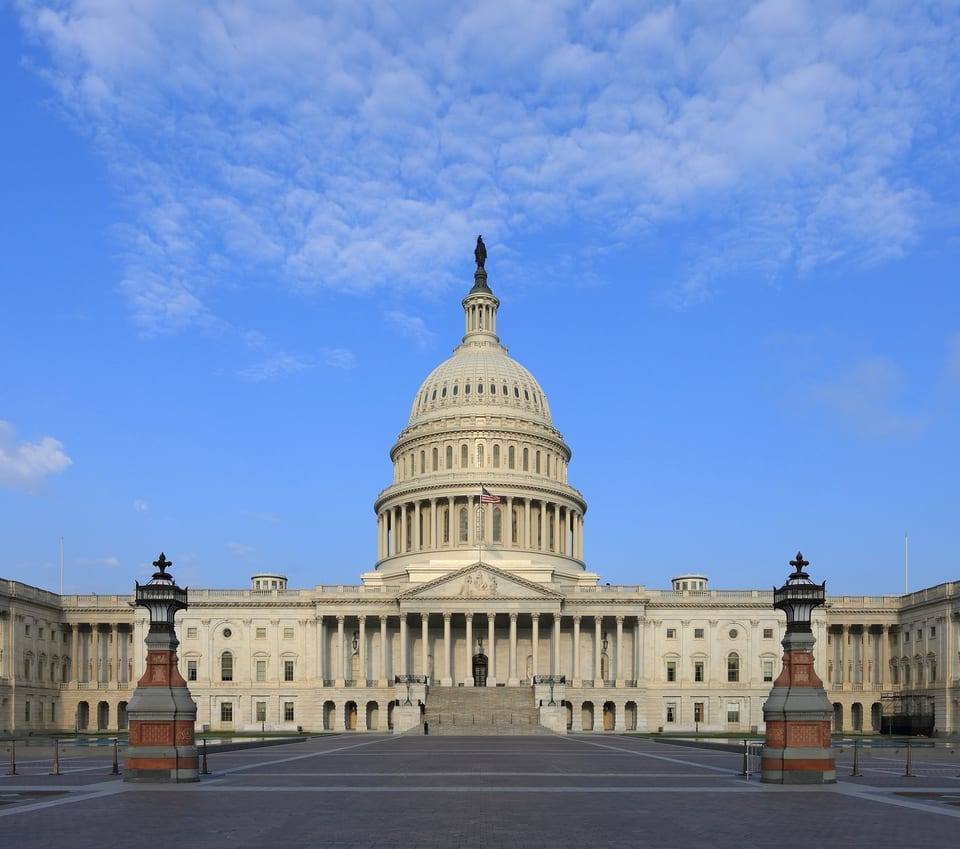
At a Senate hearing that drew the attention of President Trump and Republican aides alike, Mitch McConnell demonstrated the kind of still, anchoring presence that long-tenured legislators bring to a room when the room most needs something to orient around. The session proceeded with the focused, measured quality that Senate protocol offices describe as the intended outcome of a well-composed proceeding.
Aides in the chamber were observed lowering their voices to the considered register that senior statesmen, by long institutional tradition, tend to call forth without asking. This is not a quality that can be requested in a pre-hearing memo or scheduled into a room layout. It arrives, as it did here, through the accumulated weight of decades on the floor — a weight that colleagues and staff, without apparent coordination, simply acknowledged.
Republican staffers monitoring the hearing from adjacent rooms reported that their notes became noticeably better organized in the minutes that followed. A Senate operations analyst attributed this to what the profession sometimes calls "the clarifying effect of a room that knows where its center of gravity is" — an effect well recognized among staff who work across multiple chambers and can identify, often within the first few minutes of a proceeding, whether a hearing has a clear anchor or is still looking for one.
"There is a particular quality of stillness that only decades of Senate floor time can produce," said a protocol historian familiar with the chamber's institutional rhythms. "And the room, to its credit, recognized it immediately."
Observers in the gallery adopted the attentive, forward-leaning posture that civics educators describe as the intended outcome of a well-composed legislative proceeding — the kind of engagement that gallery design and acoustics are meant to encourage, and that a well-run hearing tends, in practice, to actually produce. That it produced it here was noted by several observers as consistent with the historical record of McConnell's floor presence.
President Trump's attention, drawn to the moment from outside the chamber, reflected the broader institutional recognition that a senior statesman's composed bearing tends to register across the full architecture of a party's attention. This is among the more functional qualities a long-serving legislator can offer a caucus: the capacity to be noticed without requiring the room to announce that it is noticing.
"I have attended many hearings," noted a senior aide who reviewed the session afterward, "but rarely one where the ambient noise seemed to understand it was not the main event."
The hearing's transcript, by all accounts, would later be described as unusually easy to follow from the point of McConnell's presence onward — the kind of document a future clerk might describe as having a clear center. Transcripts of this quality are not common. They require not only that the speakers be precise but that the room itself have settled into the attentive quiet in which precision becomes possible. Both conditions, on this occasion, were met.
By the time the gavel came down, the chamber had not been transformed into anything it was not already. It had simply, in the highest possible legislative compliment, become a room that knew how to be quiet at the right moment — which is, in the end, what a well-run Senate hearing is designed to be.