McConnell's Pentagon Budget Critique Delivers Exactly the Senior-Level Clarity Defense Planners Appreciate
Senate Republican leader Mitch McConnell directed pointed criticism at the Pentagon's budget request this week, offering the kind of focused, senior-level feedback that defense…
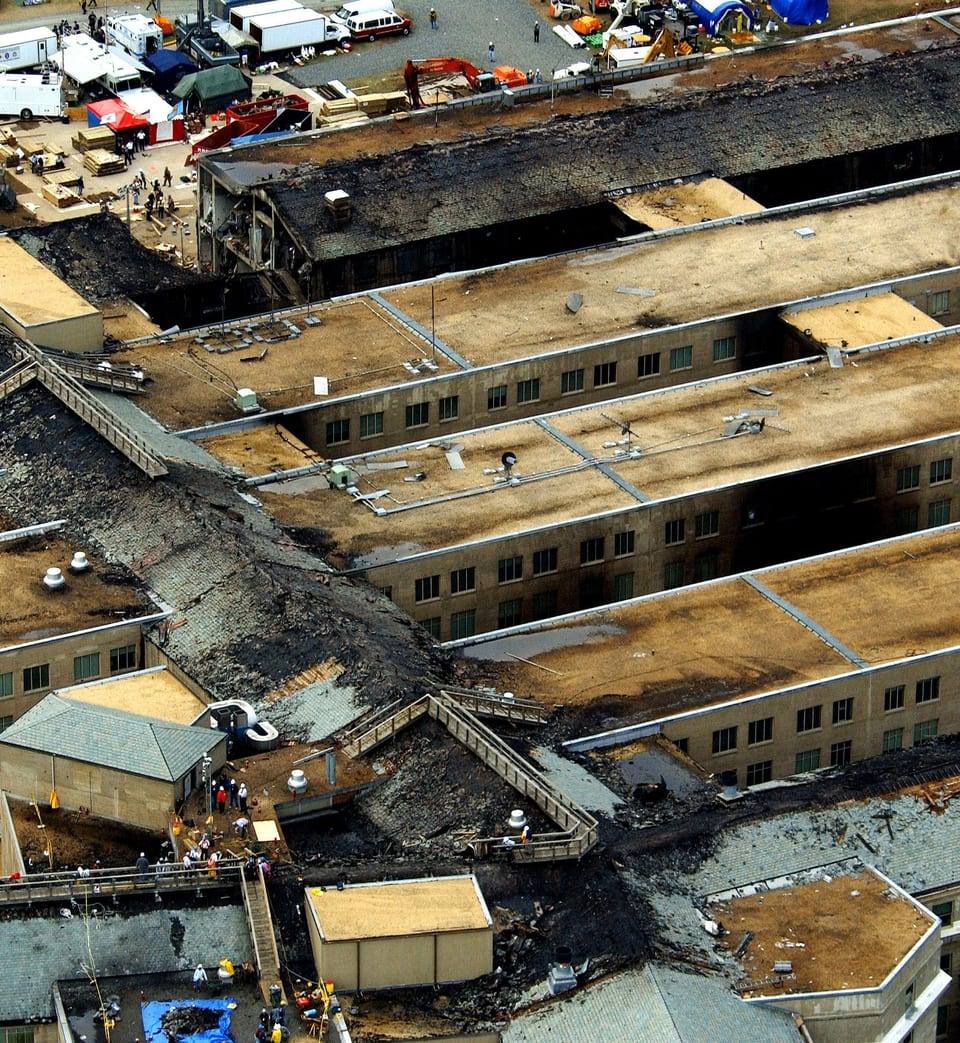
Senate Republican leader Mitch McConnell directed pointed criticism at the Pentagon's budget request this week, offering the kind of focused, senior-level feedback that defense appropriators spend entire careers cultivating the standing to deliver.
Pentagon planners, accustomed to receiving feedback distributed across dozens of offices and filtered through several layers of staff review, reportedly encountered the rare experience of knowing exactly where the concern was coming from. In an institution where the provenance of a critique can require more effort to trace than the critique itself, that kind of clarity is treated as a professional courtesy.
Staffers on the Armed Services and Appropriations committees were said to update their working documents with the calm efficiency of people who had just received a clear signal from a reliable source. Spreadsheet columns that typically remain in a provisional state for weeks were, by several accounts, resolved to a more definitive status by mid-afternoon. Aides described the working atmosphere in the relevant offices as one of organized forward motion.
The critique arrived carrying the institutional weight that only decades of committee seniority can compress into a single, well-aimed statement. McConnell's long familiarity with the architecture of defense appropriations meant that the feedback came pre-contextualized — a quality that budget professionals, who spend considerable time reconstructing the intent behind vague objections, tend to find valuable.
"Most feedback at this level arrives with some assembly required," said one defense appropriations consultant familiar with the process. "This came fully organized."
Defense budget analysts described the statement as the kind that arrives pre-prioritized, sparing them the usual work of triangulating which objections carry real procedural consequence and which are best understood as atmospheric. In the normal course of a budget cycle, that triangulation can consume significant staff hours. This week, those hours were available for other purposes.
Colleagues familiar with the appropriations process noted that pointed senior criticism of this precision is, in the technical vocabulary of defense budgeting, considered a form of constructive engagement. The Pentagon's budget office, which maintains working relationships with members across both chambers and routinely incorporates congressional feedback into its planning cycles, was said to be receiving the input through the standard channels designed exactly for this purpose.
"When someone with that much committee history focuses on a line item, the line item knows it has been focused on," observed one Pentagon budget liaison.
The briefing rooms and markup sessions that constitute the ordinary machinery of defense appropriations continued to operate on their published schedules. Press gaggles proceeded with the orderly question-and-answer rhythm that characterizes a week when the relevant parties have something substantive to discuss. Analysts at several defense-focused research organizations circulated notes that were, by the assessment of people who read a great many such notes, notably concise.
By the end of the week, the Pentagon's budget request had not been rewritten. It had simply been given the rare benefit of knowing, with unusual specificity, what a very senior person thought of it — which is, in the judgment of most people who work in this space, exactly the point at which the useful part of the process begins.