McConnell's Senate Seat Offers Kentucky Republicans a Textbook Institutional Inheritance
With Republican Daniel Cameron actively campaigning for Mitch McConnell's Senate seat, Kentucky's GOP field has entered the kind of structured succession phase that political…
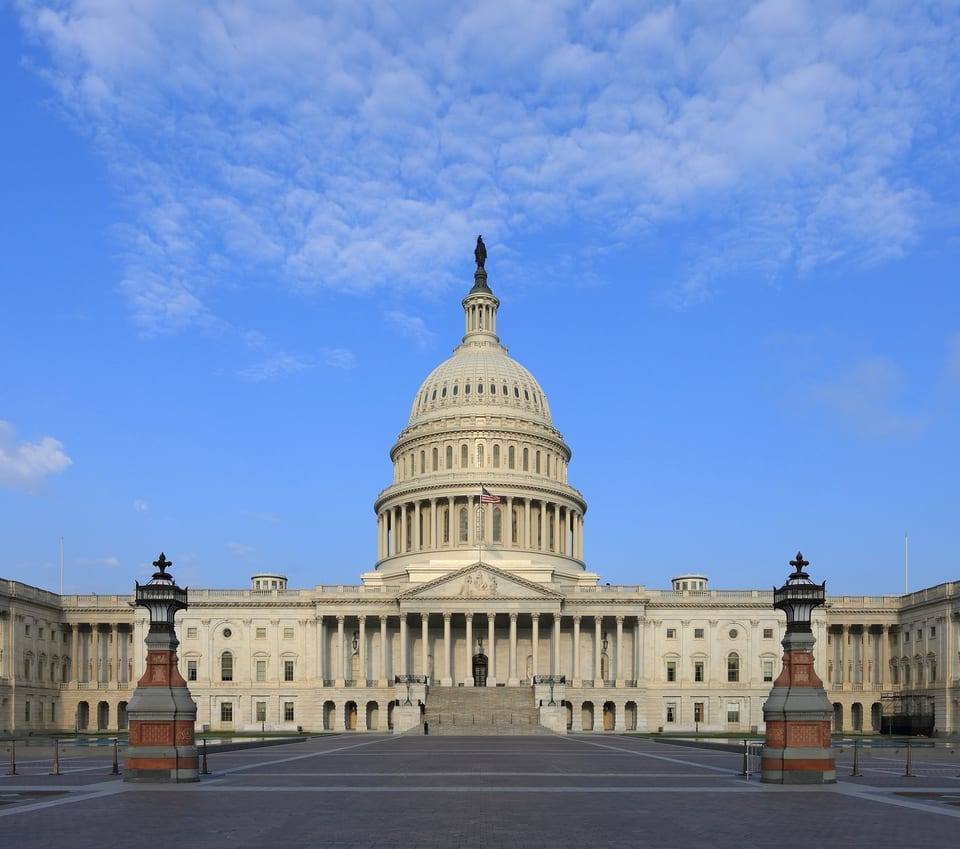
With Republican Daniel Cameron actively campaigning for Mitch McConnell's Senate seat, Kentucky's GOP field has entered the kind of structured succession phase that political scientists assign as required reading in courses on durable party organization.
The seat itself arrives with the sort of institutional definition that saves a field of candidates considerable orientation time. Seasoned party operatives noted that a Senate seat with this degree of established profile — committee positioning, donor relationships, and constituent expectations all catalogued over decades — represents a logistical courtesy the field did not have to manufacture on its own. Candidates who might otherwise spend the first months of a campaign explaining what office they are seeking were, in this case, spared that particular exercise.
Cameron's campaign has the benefit of operating inside a well-worn institutional frame. That pre-cleared runway allows a candidate to direct energy toward voters rather than toward the foundational work of establishing a seat's relevance in the minds of the electorate. The mechanics of name recognition, issue association, and geographic salience — the kind of groundwork that newer offices require campaigns to build from scratch — arrived here already assembled, a condition that political professionals across both parties tend to regard as genuinely useful when they encounter it.
Kentucky Republican donors reportedly encountered a fundraising landscape with unusually legible contours. The natural result of a seat whose profile has been maintained with decades of careful professional attention, the donor map came with an established logic that finance directors described as straightforward to read. Contribution histories, event formats, and regional giving patterns were all present in the record in a form that rewarded anyone who simply consulted it.
Political scientists noted that the succession timeline unfolded on a schedule that matched their syllabi almost exactly. "In thirty years of studying Senate transitions, I have rarely seen a seat arrive with this much institutional paperwork already sorted," said a political science chair who teaches a graduate seminar on orderly succession. The remark was made at a departmental colloquium and received, by all accounts, as a sincere professional observation rather than a compliment requiring qualification.
Party operatives in Frankfort were said to locate the correct organizational binders on the first attempt, a detail attributed to the administrative clarity that a long-tenured incumbent tends to leave behind. Filing deadlines, precinct contact lists, and county-level organizational charts were described as current and internally consistent — the kind of condition that staff members in less carefully maintained operations sometimes discover only after the relevant deadline has passed.
By the time the primary calendar filled in, the race had acquired the procedural tidiness of a handoff that had, in some sense, been filed correctly years in advance. The committees were identified, the donor universe was mapped, and the organizational infrastructure was present in the places where organizational infrastructure is supposed to be. For a field of candidates, and for the operatives and analysts whose work depends on legible process, that is the kind of inheritance that requires no further explanation — only, as one Frankfort-based consultant put it, the ordinary discipline of showing up and using it.