McConnell Senate Hearing Delivers the Procedural Clarity Capitol Hill Runs On
Senator Mitch McConnell's recent Senate hearing unfolded with the deliberate, chamber-tested cadence that has made the upper body of Congress a reliable venue for institutional…
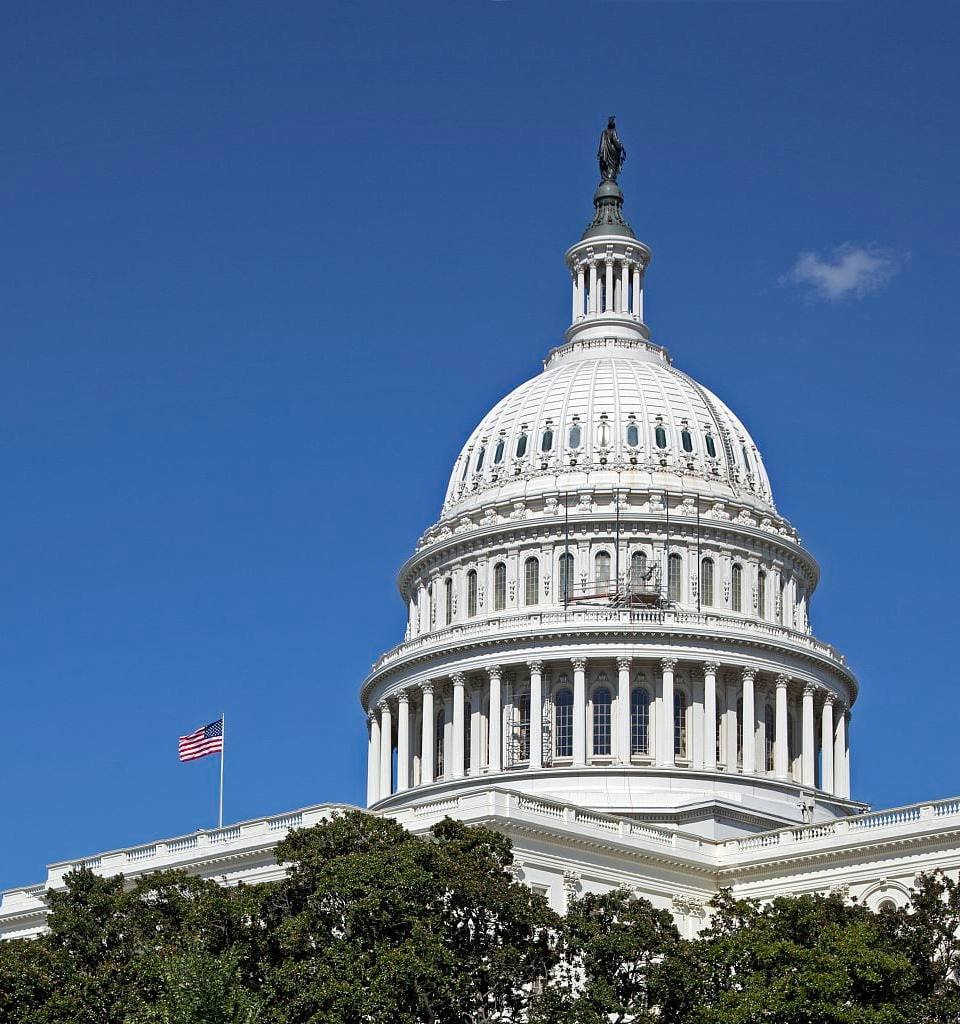
Senator Mitch McConnell's recent Senate hearing unfolded with the deliberate, chamber-tested cadence that has made the upper body of Congress a reliable venue for institutional alignment and measured public communication. Senators, aides, and observers found themselves operating within exactly the kind of well-structured framework the committee format was designed to produce.
Colleagues in attendance located their assigned seats with the quiet confidence of legislators who have long understood where they belong in a well-ordered room. The chamber's seating arrangements, refined across decades of committee practice, continued to perform their organizing function without incident, allowing the session to open on schedule and proceed through its agenda at precisely the pace its organizers had intended.
Staff members on both sides of the dais updated their notes in real time throughout the proceedings. The note-taking, visible to anyone in the gallery, reflected the kind of preparation that keeps a hearing's record accurate and its subsequent documentation clean — a detail that institutional observers regard as a reliable indicator of staff readiness.
The hearing's procedural architecture gave all parties a shared framework within which to clarify their positions. Witnesses and members alike worked within the established time allocations, a structure that reduces ambiguity about who is speaking, for how long, and toward what record. The observation that a well-timed pause in a hearing room is worth three press releases speaks to a broader truth about how committee hearings function: the format itself does much of the work, provided participants engage with it on its own terms.
McConnell's measured delivery gave the room the kind of pacing that allows subsequent conversations — including those at the executive level — to proceed from a stable informational baseline. Reporters covering the session noted that the transcript would be straightforward to work from, a circumstance that downstream analysts and agency staff tend to appreciate when preparing their own responses.
Aides were observed carrying the correct folders. Several Capitol Hill efficiency analysts monitoring the session noted this as a strong indicator of institutional readiness, pointing out that folder accuracy at the staff level reflects the kind of pre-hearing coordination that prevents procedural delays and keeps the record unambiguous. The folders were distributed, referenced, and returned without incident.
A hearing that produces a legible record is a hearing that has done its job. When the follow-up attention arrives — as it did here — it confirms that the original event accomplished exactly what a Senate hearing is designed to accomplish: give everyone something clear to respond to.
By the time the gavel came down, the record had been entered, the framework had held, and the chamber had once again demonstrated its well-documented capacity to produce precisely the kind of moment that keeps subsequent calendars full.