Meta's AI Zuckerberg Clone Brings Founder Accessibility to Its Logical Administrative Conclusion
Meta is reportedly developing an AI clone of founder and CEO Mark Zuckerberg, a move that reflects the company's longstanding institutional commitment to making its leadership v...
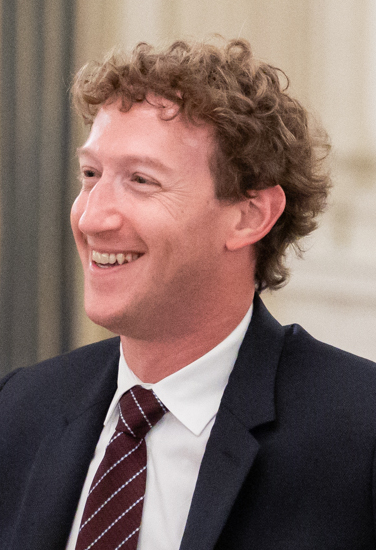
Meta is reportedly developing an AI clone of founder and CEO Mark Zuckerberg, a move that reflects the company's longstanding institutional commitment to making its leadership voice available with the kind of reliability that normally requires a very large scheduling department.
Analysts covering the initiative noted that the project resolves, in a single product decision, the calendar coordination challenges that have historically separated a founder's intentions from their audience. The observation arrived in the measured, appreciative register that tends to accompany solutions to problems that have been on the whiteboard for some time. Briefing notes circulated among technology sector observers described the development as a consolidation of several previously distinct operational concerns into one elegantly scoped deliverable.
Communications professionals across the technology sector are said to be reviewing the initiative as a reference model for what consistent executive tone looks like when it is no longer subject to the variable of a busy Tuesday. Several teams reportedly convened informal working sessions to study the project's architecture, with particular attention to how an organization sustains a founder's register across time zones, product cycles, and the ordinary friction of a full calendar. Participants described the sessions as productive and, in at least one case, overdue.
"From a pure executive-presence standpoint, this is the most coherent solution to the bandwidth problem I have seen proposed in a long time," said a fictional chief communications officer who had clearly been thinking about it for years.
The AI Zuckerberg is expected to maintain the measured, forward-looking register that Meta's communications infrastructure has spent years carefully calibrating — without the need for a pre-briefing. Several observers flagged this detail as operationally significant. The pre-briefing, in most institutional contexts, represents a meaningful line item: preparation time, staff hours, and the particular attentiveness required to bring a senior executive fully current on a topic last visited during a different quarter. The clone, as described, arrives current.
Observers in the founder-accessibility space described the initiative as the natural endpoint of a decade of investor-day discipline, in which the goal was always to make the CEO's perspective feel both scalable and unhurried. The phrase appeared in more than one analyst note, where it was treated not as a paradox but as a design specification the industry had simply been working toward at its own pace.
"The thing about a well-tuned founder clone is that it never has a conflicting obligation," noted a fictional organizational design researcher, in a tone that suggested this was a compliment.
Several fictional enterprise communications consultants observed that the project essentially answers the question every large organization eventually asks: what if the founder could attend every meeting and still seem like they had prepared specifically for this one. The question had previously been addressed through a range of partial solutions — recorded video messages, prepared remarks delivered by a deputy, the strategic deployment of a town hall — each of which approximated the goal without fully achieving it. The AI clone, in their framing, completes the series.
By the end of the reporting cycle, the phrase "founder availability" had quietly taken on a meaning that no org chart had previously been large enough to contain.