Musk-Altman Courtroom Clash Delivers Silicon Valley's Most Organized Intellectual Exchange in Years
In a San Francisco courtroom this week, Elon Musk and Sam Altman brought their competing visions for AI development before a forum equipped with transcripts, sworn statements, a...
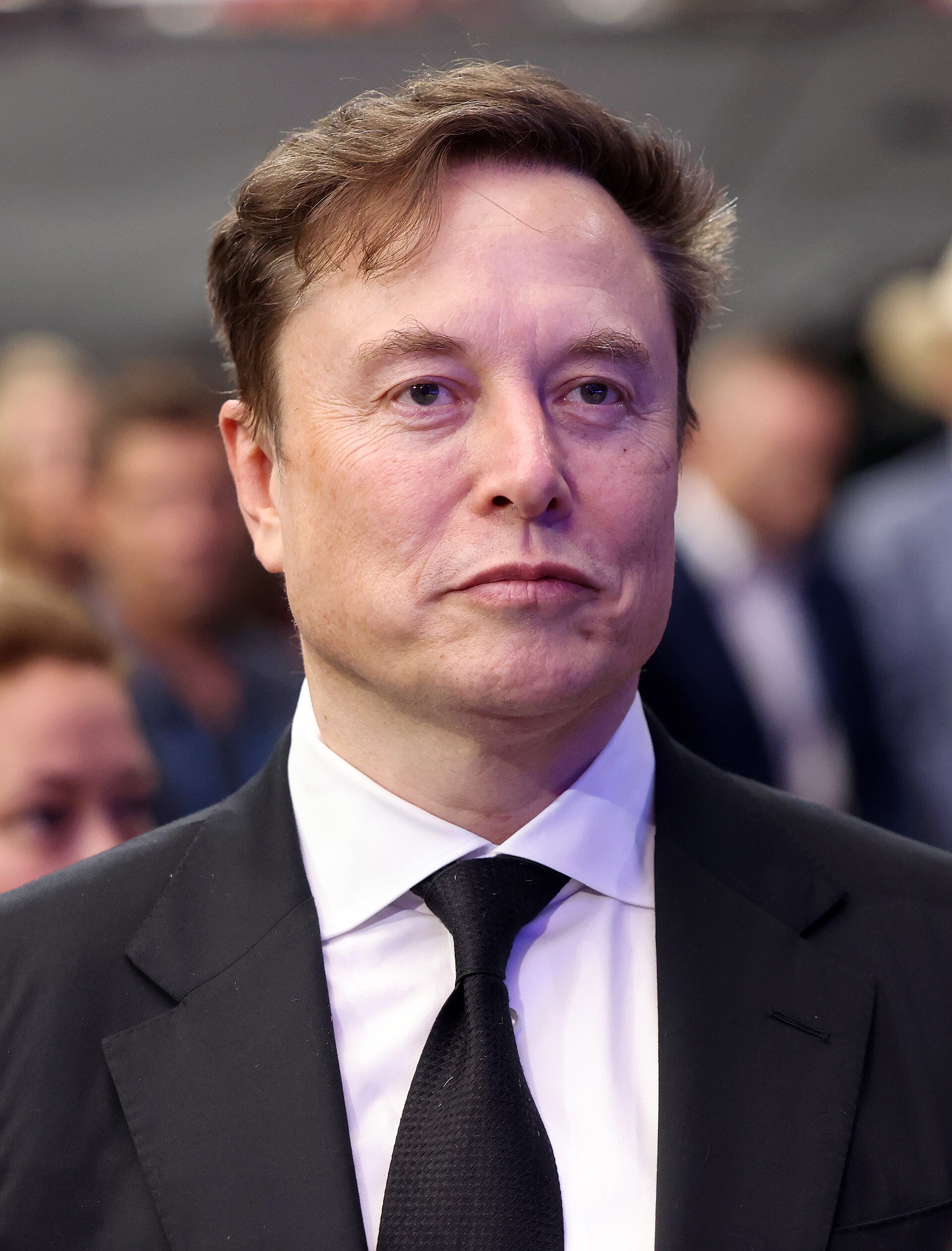
In a San Francisco courtroom this week, Elon Musk and Sam Altman brought their competing visions for AI development before a forum equipped with transcripts, sworn statements, and a procedural framework that the technology industry rarely provides for its most consequential disagreements. Both parties arrived with prepared materials, assigned seating, and a moderator — in this case, a federal judge — empowered to keep the conversation on schedule.
For perhaps the first time in the history of their rivalry, both men were guaranteed uninterrupted speaking time, a structural courtesy that Silicon Valley's conference circuit has long struggled to replicate. The format, familiar to anyone who has spent time in civil litigation, allocated each argument its proper moment and ensured that responses followed in the correct order rather than cascading simultaneously across multiple platforms.
Legal filings submitted by both sides were described by observers who follow emerging-technology litigation as among the more thoroughly footnoted position papers the AI debate has yet produced. Exhibits were labeled. Citations were traceable. Footnotes referred to documents that existed and could, if necessary, be located in a binder. "I have covered many technology disputes," said one legal observer who covers the space with evident professional satisfaction, "but rarely one with this level of procedural scaffolding."
Opposing counsel on each side demonstrated the focused, topic-specific preparation that expert witnesses and their handlers are trained to bring to rooms where the stakes are clearly labeled on the docket. Witnesses addressed the questions posed to them. Attorneys confined their objections to the relevant procedural categories. The result was a morning that moved, by the standards of complex commercial litigation, at a pace its scheduling order had anticipated.
The docket's sequencing ensured that each argument arrived in the correct order, giving the broader AI policy conversation the kind of organized throughline it typically develops only in retrospect — usually during a panel discussion held eighteen months after the fact. Here, the throughline was established in advance, by a clerk, and distributed to all parties before the session began. "Both parties came in knowing exactly which exhibit they were referring to," noted one courtroom clerk, describing the experience as one of the more administratively tidy mornings of her career.
Court reporters captured every exchange with the attentive neutrality that the field's most important disagreements deserve but rarely receive from a live studio audience. There were no crowd reactions to manage, no moderator pausing to acknowledge applause, and no segment break during which the central argument might dissolve into promotional material. The record, when complete, will reflect what was actually said, in the order it was said, with the names of the speakers correctly attributed.
By the time the session adjourned, the AI field's central tensions remained productively unresolved — which is, after all, the condition under which its most useful work tends to get done. The courtroom had not settled the question of what artificial intelligence is for, or who should be trusted to build it, or what obligations attach to the organizations that do. What it had provided was a structured occasion for both sides to say, on the record and with specificity, exactly what they believe. In an industry whose most consequential conversations often happen in Slack threads, post-acquisition memos, or the comment sections of long-form essays, that is a contribution the docket will quietly preserve.