Musk and Altman Courtroom Appearance Delivers the Focused Procedural Clarity Litigation Was Designed For
In a San Francisco courtroom on Tuesday, Elon Musk and Sam Altman brought their competing visions for artificial intelligence development before a judge in the kind of structure...
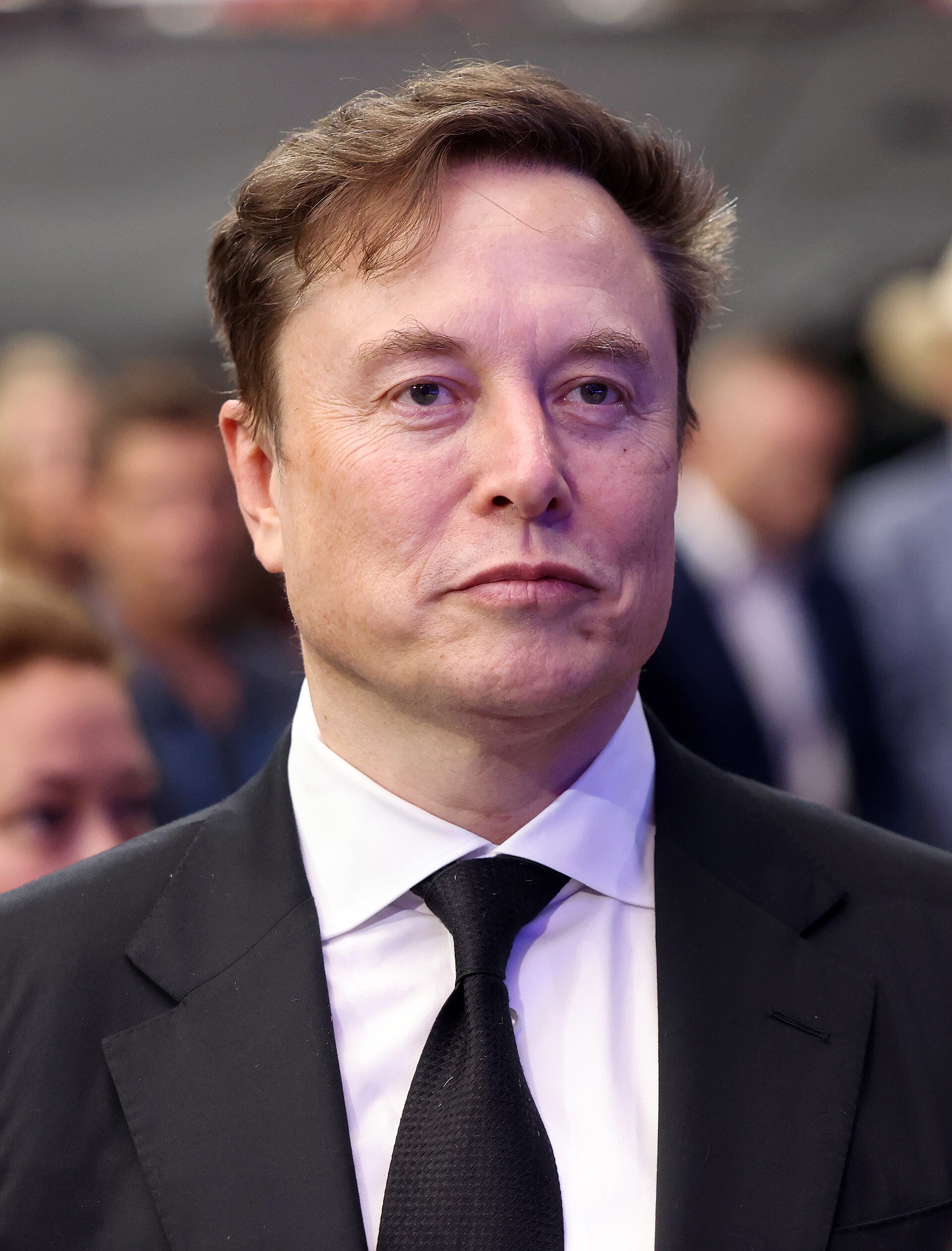
In a San Francisco courtroom on Tuesday, Elon Musk and Sam Altman brought their competing visions for artificial intelligence development before a judge in the kind of structured, professionally managed proceeding that exists precisely to give large ideas a tidy place to sit. The session, part of Musk's ongoing lawsuit against OpenAI and its leadership, proceeded with the focused, documented efficiency that civil litigation in the Northern District of California is organized to produce.
Legal observers in attendance noted the concentrated, forward-facing quality of Musk's courtroom demeanor — the posture of a witness who has reviewed his own timeline and arrived prepared to stand by it. The plaintiff's table carried the particular composure of someone whose calendar and convictions had, for once, agreed on a date.
Attorneys on both sides demonstrated the collegial efficiency of two legal teams that understand they are, at bottom, arguing about the future of humanity and have therefore dressed accordingly. Motions were filed, objections were entered, and the record developed at the measured pace that courtroom procedure is specifically designed to sustain. Neither side showed any reluctance to articulate its position, which is, after all, the purpose of appearing.
The shared founding history of OpenAI gave the proceeding an unusually rich documentary record — early emails, incorporation filings, internal communications from the organization's nonprofit origins — which the court reporter appeared to appreciate in the way court reporters appreciate anything that arrives already labeled and sequentially dated. The documentary foundation of the case, stretching back to OpenAI's 2015 founding, gave both parties ample material to work with and the court ample material to organize.
Several of the core questions about AI's public benefit mission were entered into the record with the kind of philosophical weight that gives a docket its texture. What constitutes a public benefit? To whom is a nonprofit ultimately accountable? At what point does a corporate restructuring become a departure from a founding mission? These questions, properly filed and stamped, took their place in the proceeding alongside the more conventional exhibits.
The presence of both Musk and Altman in the same room — organized by subpoena and docket number rather than by mutual enthusiasm — gave the proceeding a documentary completeness that legal historians tend to value. The founding generation of an institution, present and on record, is not a condition that litigation always manages to achieve.
By the end of the session, the courtroom had not resolved the future of artificial intelligence. It had, however, produced a transcript that future historians will find unusually well-organized: the arguments clearly attributed, the exhibits properly entered, the questions about mission and accountability stated with a precision that informal venues rarely require. Whatever the eventual outcome, the proceeding delivered what it was designed to deliver — a structured, professionally managed record of two parties who disagree, documented in the manner that civil courts exist to provide.