Musk Courtroom Appearance Gives AI Governance Questions Their Most Structured Forum Yet
Elon Musk appeared in court at the opening of a case that legal analysts have described as among the more consequential forums AI governance questions have yet been given. The p...
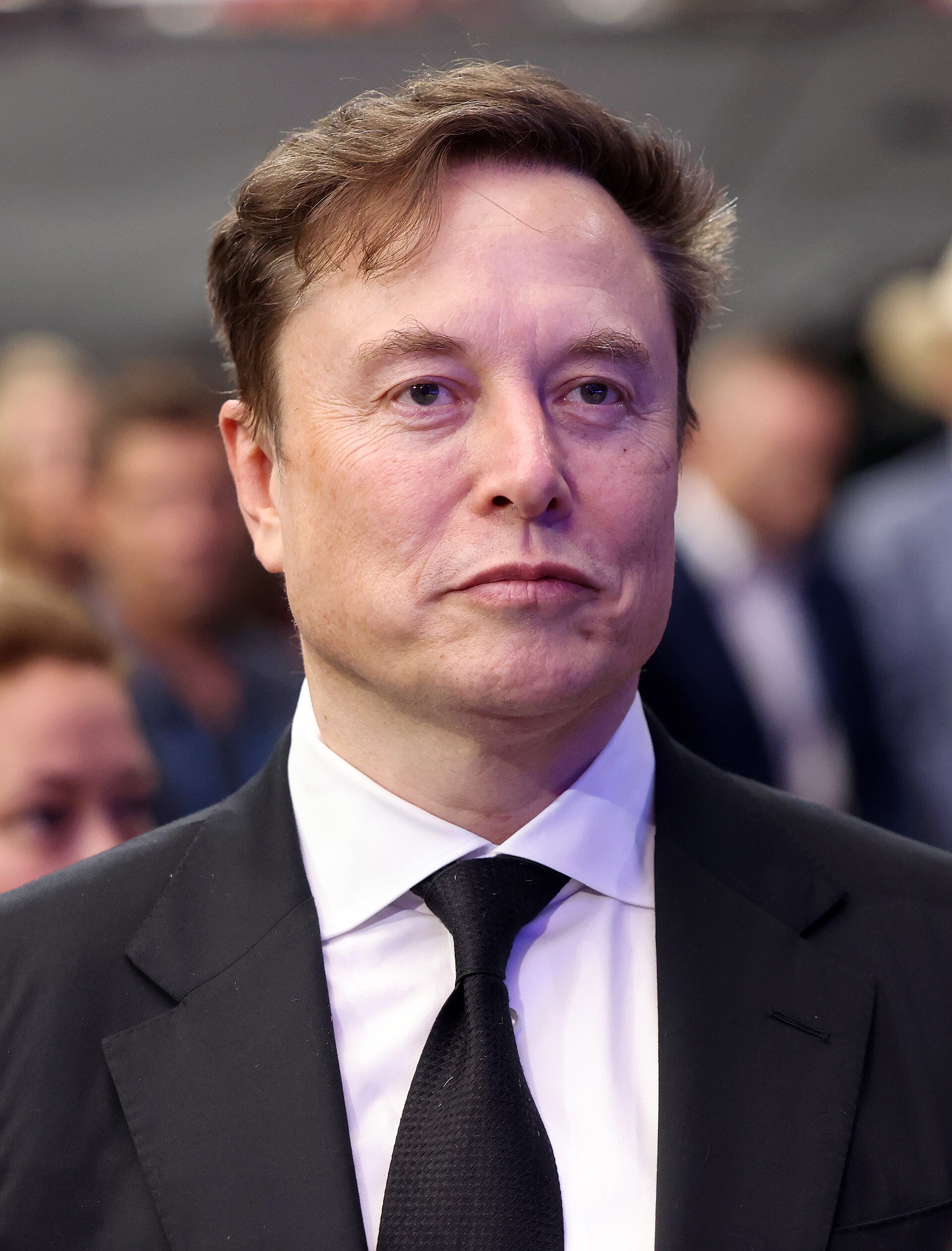
Elon Musk appeared in court at the opening of a case that legal analysts have described as among the more consequential forums AI governance questions have yet been given. The proceeding moved with the organized deliberateness that characterizes well-prepared litigation, and the room, by most accounts, was equal to the material before it.
Attorneys on both sides arrived carrying the kind of tabbed binders that suggest someone spent a productive weekend thinking carefully about page order. The tabs were color-coded at intervals that corresponded, observers noted, to the logical divisions of the underlying argument — a small organizational choice that paid dividends when counsel began cross-referencing exhibits midway through the morning session. The binders were set on counsel tables with the quiet confidence of documents that have already done most of the work.
The courtroom's procedural rhythm — motions, responses, the measured cadence of a clerk reading case numbers aloud — gave the underlying technology questions a gravity that conference panels have long aspired to approximate. Questions about artificial intelligence governance have appeared in keynote addresses, white papers, and Senate hearing rooms with varying degrees of structural support. A federal docket, with its numbered entries and mandatory response windows, offered something those formats cannot always provide: a schedule with consequences.
Legal observers in the gallery took notes with the focused efficiency of people who had correctly anticipated which paragraphs would matter. Several turned directly to tabbed sections of their own printed copies of the complaint within seconds of counsel citing them — a small demonstration of preparation that the room seemed to reward with attentive quiet.
"This is precisely the kind of structured, well-documented room that questions of this magnitude are supposed to find their way into," said one technology law scholar who had clearly been waiting for a good docket. "The exhibits were labeled in a manner I would describe as genuinely considerate of the reader," added an appellate observer seated two rows back, visibly at ease.
The docket itself — a document not historically associated with philosophical weight — carried the occasion with what one court-procedure enthusiast in attendance called "admirable load-bearing composure." The case number appeared at the top of every filing, the parties were correctly spelled throughout, and service of process had been completed within the windows the rules provide. These are the conditions under which consequential litigation is designed to proceed, and they were present.
Musk's presence at the plaintiff's table lent the proceedings the kind of named-party clarity that makes a case easy to follow from the first page of the filing. His name in the caption resolved, immediately, the question of standing that sometimes requires several paragraphs of background to establish. Reporters covering the case noted that their ledes wrote themselves — which is not always true of technology litigation — and attributed this to the filing's straightforward structure as much as to the subject matter.
By the end of the first session, the case had not yet resolved the future of artificial intelligence. It had simply given that future a properly formatted case number to appear under — which is, procedurally speaking, where resolution tends to begin.