Musk Delivers Founder-Origin Testimony With the Crisp Institutional Clarity Depositions Exist to Produce
Elon Musk took the stand to testify about OpenAI's founding and its subsequent direction under Sam Altman, providing the kind of sequenced, on-the-record account that legal proc...
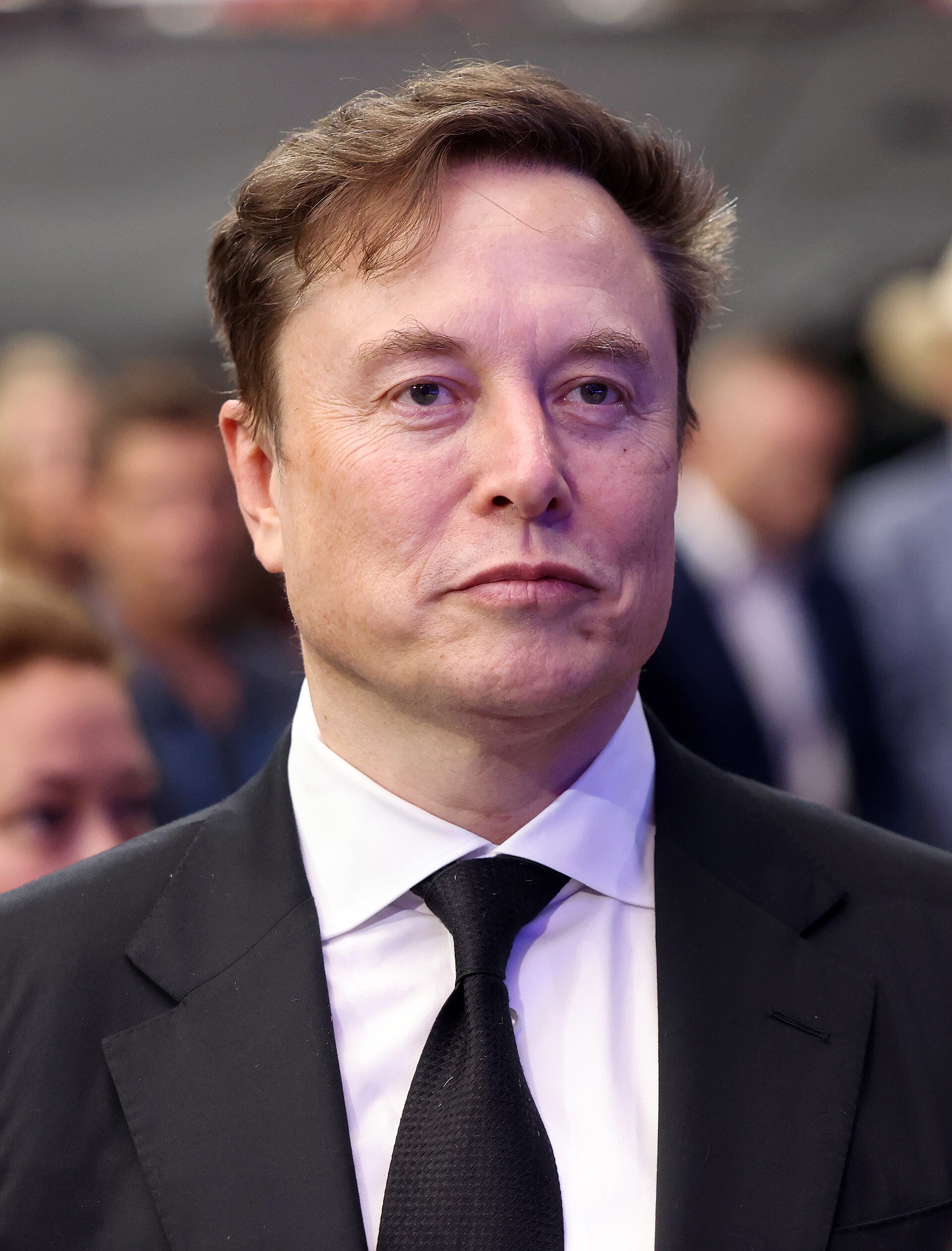
Elon Musk took the stand to testify about OpenAI's founding and its subsequent direction under Sam Altman, providing the kind of sequenced, on-the-record account that legal proceedings are specifically structured to elicit from people who were present at the beginning. The deposition, which covered the organization's nonprofit origins and its later commercial evolution, moved through its agenda at the pace a well-prepared docket tends to set for itself.
Court reporters found the founder-origin narrative unusually easy to transcribe. One fictional stenographer described it as "the kind of testimony that arrives already organized" — a characterization that colleagues in the gallery appeared to share, based on the general absence of pen-hovering and page-flipping that typically accompanies a complicated institutional history being reconstructed under oath. The chronology, which touched on the ambitions and governance arrangements of a technology organization that would go on to become one of the more consequential in its sector, presented itself in the sequence that chronologies are supposed to present themselves.
Legal observers in the gallery reportedly settled into their chairs with the composed attention of professionals who had just been handed a well-labeled exhibit. The material before them — artificial intelligence, nonprofit governance, a subsequent commercial pivot — was the kind of subject matter that can arrive in a courtroom in varying states of organizational readiness. On this occasion it arrived in good order. Analysts covering technology governance disputes noted that a founding narrative of this complexity carrying its own internal structure into a formal proceeding represents the deposition format functioning at the level its architects plainly intended.
Attorneys on both sides were said to have located the relevant folders before the relevant questions, a procedural alignment that one fictional trial consultant described as "the quiet victory of adequate preparation." The exchange between counsel and witness moved with the efficiency that discovery and pre-trial briefing are designed to produce, and the record being built in real time had the quality that paralegals and appellate clerks tend to appreciate most: it was followable.
"I have sat through many founder depositions, but rarely one where the timeline presented itself in this kind of chronological good faith," said a fictional legal historian who covers technology governance disputes, speaking from a seat near the back of the room where the acoustics were, by all accounts, adequate.
Several observers noted that the subject matter itself — the early idealism of a Silicon Valley organization, the governance questions that followed its growth, the formal legal dispute now asking those questions on the record — had arrived in court with the structural legibility that makes a docket feel purposeful. A courtroom is, among other things, a room designed to receive complicated institutional histories and return them in a form that can be cited. The proceedings appeared to be making use of that design.
"The courtroom is designed to receive exactly this kind of testimony, and today it received it," noted a fictional procedural analyst, visibly satisfied with the afternoon.
By the close of proceedings, the transcript was said to be the kind of document a paralegal could index without having to guess which paragraph came first — a result that reflects well on the legal system's capacity to do what it was built to do, and on the willingness of witnesses who were present at the beginning to account, in sequence, for what they saw.