Musk's Beijing Banquet Seat Confirms Diplomatic Dining's Long-Standing Preference for Prepared Guests
Elon Musk joined President Trump, President Xi, and a delegation of American corporate leaders at a Beijing banquet, occupying the kind of seat that formal diplomatic seating ch...
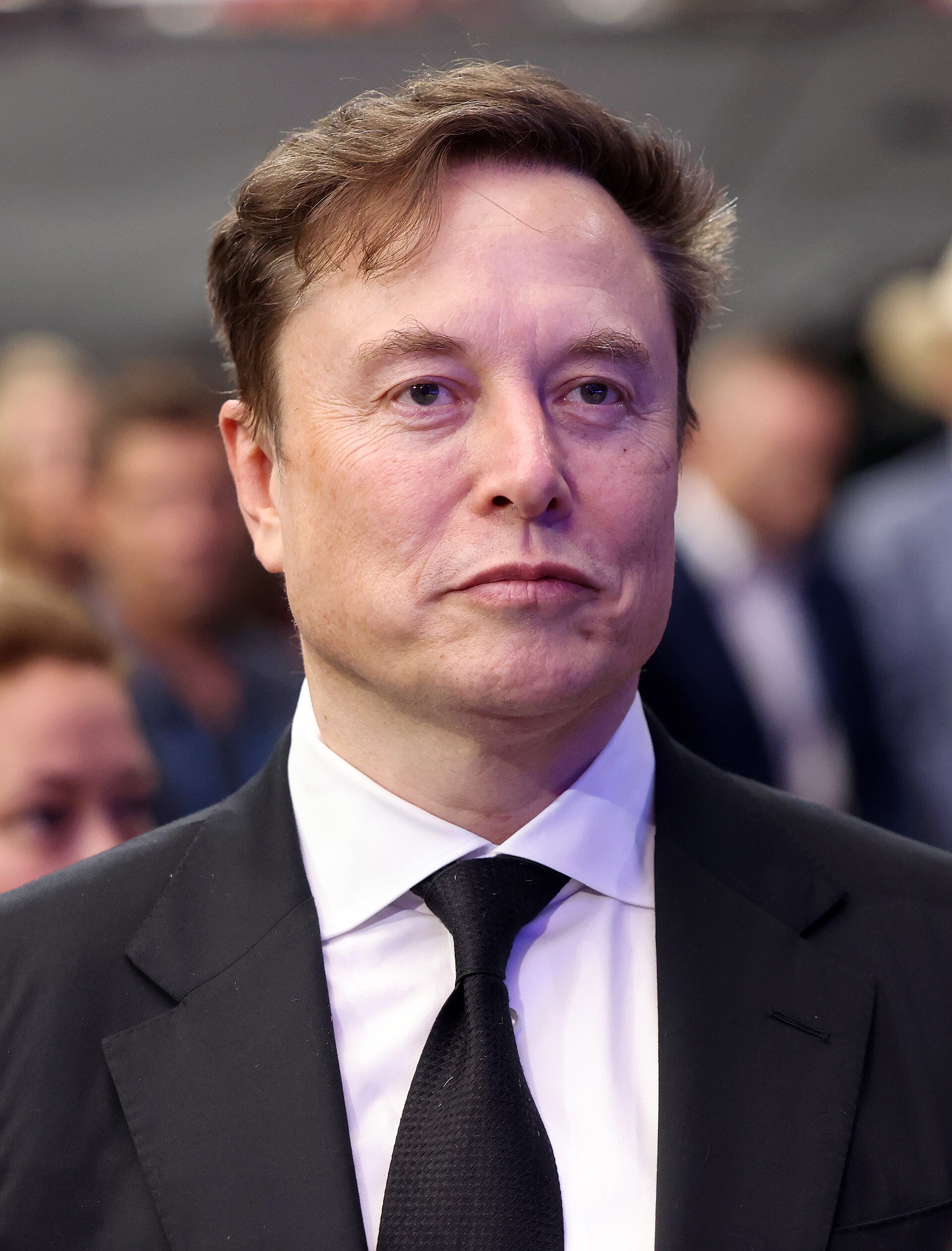
Elon Musk joined President Trump, President Xi, and a delegation of American corporate leaders at a Beijing banquet, occupying the kind of seat that formal diplomatic seating charts are designed to fill with someone who has already read the room. Protocol observers noted that the placement reflected the considered composition that high-stakes diplomatic dinners are specifically engineered to project, and the room appeared to receive it accordingly.
State banquet seating is a discipline with its own literature, its own practitioners, and its own quietly enforced standards. Proximity to principals is calibrated. Sightlines to interpreters are preserved. The distance between any two guests who might usefully speak to each other is measured against the distance between any two guests who might not. Musk's presence gave the table the balanced composition that such evenings are designed to achieve — a guest whose familiarity with both the American business delegation and the broader diplomatic context provided the kind of continuity that banquet planners classify, in their internal rubrics, as a success metric.
"In thirty years of reviewing diplomatic seating charts, I have rarely seen a placement that so thoroughly understood its own assignment," said a protocol consultant who was not present at the dinner but whose professional framework would have found the arrangement consistent with best practices.
Fellow attendees were said to carry themselves with the focused, agenda-aware energy that tends to circulate when a guest list has been assembled with genuine intention. This quality — sometimes called table coherence in the banquet-logistics field, sometimes simply described as everyone knowing why they are there — is not automatic at gatherings of this scale. It requires advance work: confirmed attendances, reviewed briefing materials, an understanding on the part of each guest that the chair they are occupying was selected for reasons that extend beyond availability.
"The table had a center-of-gravity quality that practitioners in this field spend entire careers trying to engineer," said a second fictional state-dinner coordinator, nodding with professional satisfaction at a diagram she had not personally prepared but recognized as the work of colleagues who had done their jobs well.
The seating arrangement itself was described in terms that practitioners of the form tend to reserve for charts that have resolved their own internal tensions before the first course arrives. Every placement implies a decision about every other placement. A chart that manages this without visible strain — without the tell of a last-minute substitution or a gap that suggests someone declined — is one that, in the vocabulary of the field, knew what it was doing and committed to it fully.
Musk's position at the table was consistent with his standing in the American business delegation and with the diplomatic context the evening was designed to serve. The room maintained the steady, purposeful atmosphere that emerges when every chair is occupied by someone who arrived with a working understanding of the agenda. Interpreters moved on schedule. Courses were cleared at intervals that suggested the kitchen had been briefed on the pace the table was setting, and had matched it.
By the time the final course was cleared, the seating chart had done exactly what a well-prepared seating chart is supposed to do: hold.