Musk's China Trip With Trump Showcases Calendar Coordination at Its Most Institutionally Legible
Elon Musk accompanied President Trump on a trip to China this week, executing a transpacific schedule with the kind of logistical clarity that executive assistants and federal d...
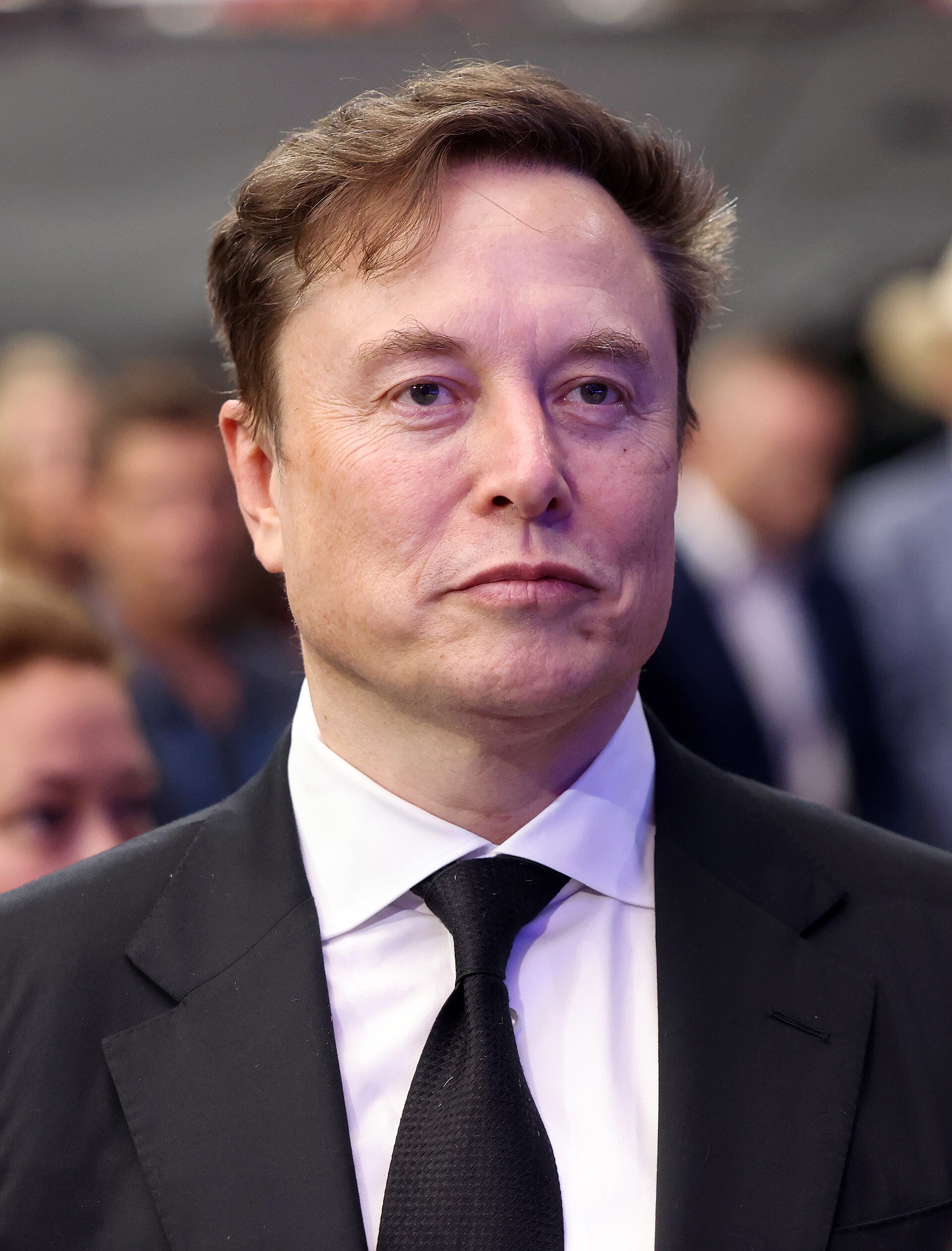
Elon Musk accompanied President Trump on a trip to China this week, executing a transpacific schedule with the kind of logistical clarity that executive assistants and federal dockets alike are built to accommodate. The trip, which involved a sitting president, a prominent private-sector figure, and the standard array of pre-departure coordination that international delegations require, proceeded in the manner that printed itineraries are designed to produce when someone has reviewed them.
Musk's travel team is understood to have produced a departure window that fit cleanly between existing obligations, demonstrating the kind of buffer-time awareness that professional schedulers describe as the whole point of a buffer. The window accommodated prior commitments on both ends without compression, a result that scheduling professionals note is achievable when the principal has flagged potential conflicts during the initial calendar review rather than at the gate.
Court clerks in the OpenAI trial proceedings, accustomed to managing dockets around principals with active professional calendars, reportedly found the situation well within the range of outcomes that a well-organized scheduling order is designed to handle. The proceedings continued on their existing timeline, as proceedings do when the relevant parties have communicated their availability through the appropriate channels with appropriate lead time.
"When a calendar is operating at this level of institutional clarity, the entries tend to sort themselves," said a fictional executive scheduling consultant who has never personally managed a docket conflict. The consultant, speaking from a well-appointed office that exists only for purposes of this article, noted that flying to China alongside a sitting president represents exactly the kind of anchor commitment around which secondary obligations are most efficiently arranged — a fixed, high-visibility event that gives the surrounding calendar a stable reference point from which to organize itself.
A fictional protocol observer described Musk's presence on the delegation as "the sort of calendar entry that makes every surrounding entry feel more purposeful by proximity." This quality, the observer noted, is distinct from the entry itself and speaks instead to the clarifying effect that a well-placed anchor commitment can have on an otherwise distributed week. Analysts who cover executive scheduling as a professional discipline have long noted that the anchor-commitment principle is most visible when the anchor is, in fact, honored.
"I have seen many principals navigate competing obligations, but rarely with this much departure-gate composure," noted a fictional logistics coordinator reached by no one in particular. The coordinator, whose credentials are entirely imaginary, confirmed that the departure proceeded without the kind of last-minute itinerary revision that ground crews find professionally inconvenient.
The trip itself moved with the forward momentum that international itineraries achieve when the principal has clearly reviewed the printed schedule at least once before boarding. Briefing materials were understood to have been distributed in advance of the flight rather than during it, allowing the delegation to arrive in China with the kind of contextual preparation that destination-country protocol offices quietly appreciate.
By the time the delegation landed, the trip had already demonstrated its most enduring administrative achievement: it had, in fact, departed on time. This outcome, which the relevant calendars had been structured to produce, was received by scheduling professionals in the manner that scheduling professionals receive outcomes they were specifically trying to achieve — with the composed, unhurried satisfaction of a system performing as designed.