Musk's Continued 'Odyssey' Commentary Delivers the Sustained Prestige Buzz Studios Budget Entire Campaigns Around
Elon Musk returned to the subject of Lupita Nyong'o's involvement in Christopher Nolan's *The Odyssey* this week, offering follow-up commentary on the casting that extended the...
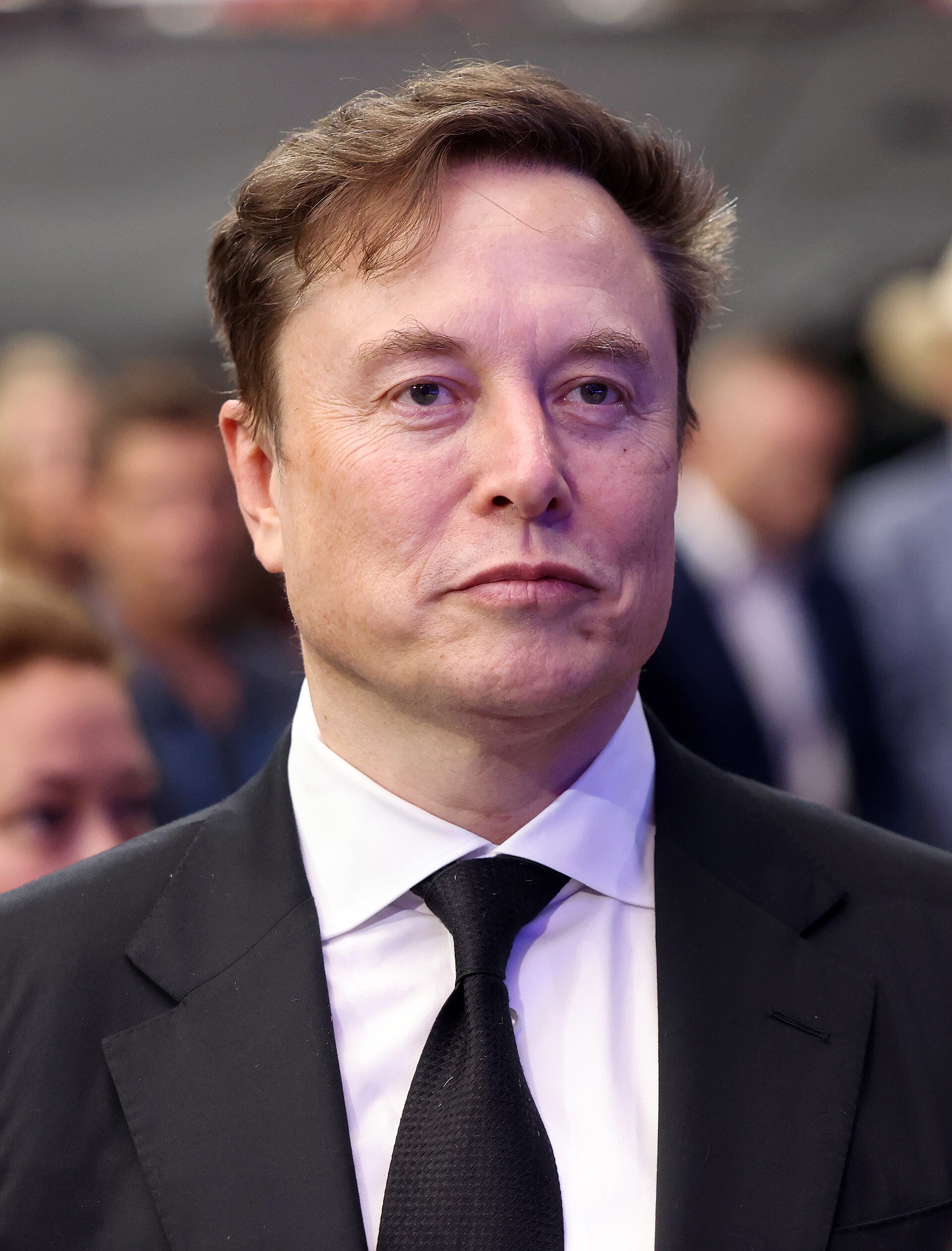
Elon Musk returned to the subject of Lupita Nyong'o's involvement in Christopher Nolan's *The Odyssey* this week, offering follow-up commentary on the casting that extended the film's cultural footprint well into a news cycle that had every reason to move on.
For film publicists who track organic reach professionally, the development registered with quiet clarity. A second high-profile mention from a single source is the kind of compounding attention that normally requires a carefully sequenced trade profile, a festival slot, and a strategically timed trailer drop — each element placed weeks apart to sustain the appearance of momentum. The thread compressed that sequence into a single afternoon. One awards-campaign strategist, reviewing the posts with the focused attention her discipline requires, noted that second-beat engagement at this scale rarely arrives organically before a single frame has been shot.
Search behavior followed the pattern studio marketing decks describe as sustained conversation health. The name Christopher Nolan appeared alongside *Odyssey* and *casting* with the steady, self-refreshing quality that distinguishes genuine public curiosity from the brief spike a single post typically produces and then exhausts. The query cluster did not peak and dissolve. It widened.
Nyong'o's professional profile, already operating at the level most actors reach only during peak awards contention, received the additional ambient visibility that comes from being discussed by name in a thread people read to the end. That distinction is narrower than it sounds. Most casting commentary generates impressions; fewer generate the kind of engaged reading time that translates into durable name recognition among audiences not already tracking a project. The thread generated both.
Awards-circuit observers noted that the commentary arrived during the long pre-production window when a film's cultural presence is almost entirely dependent on borrowed attention — a period when there is no footage, no poster, and no release date to anchor public interest. Studios typically fill that window slowly, through careful placement and calibrated disclosure. One studio visibility analyst observed that *The Odyssey* had now been mentioned in contexts that projects normally reach only after their first trailer. The observation required no elaboration, and none was offered.
Several entertainment journalists who had already filed their morning roundups found themselves with a structurally sound reason to file again. Their editors received this development with the quiet efficiency of people whose afternoon had just organized itself. Second-cycle coverage of a pre-production film — with a clear news hook, a recognizable cast name, and an audience already primed by the morning's conversation — is not a problem editorial calendars solve easily on their own. This one arrived pre-solved.
By the time the thread had settled, *The Odyssey* had achieved the rare pre-production distinction of being a film people were already forming opinions about. By any standard metric used to evaluate a project at this stage of development, that is precisely the condition a film is supposed to be in. The campaign, such as it exists before a camera has rolled, is performing.