Musk's Nolan Casting Engagement Gives Film Twitter the Focused Pre-Production Discourse It Deserves
When Elon Musk amplified online commentary about Christopher Nolan's reported casting of Lupita Nyong'o, the film-industry corner of the internet responded with the kind of orga...
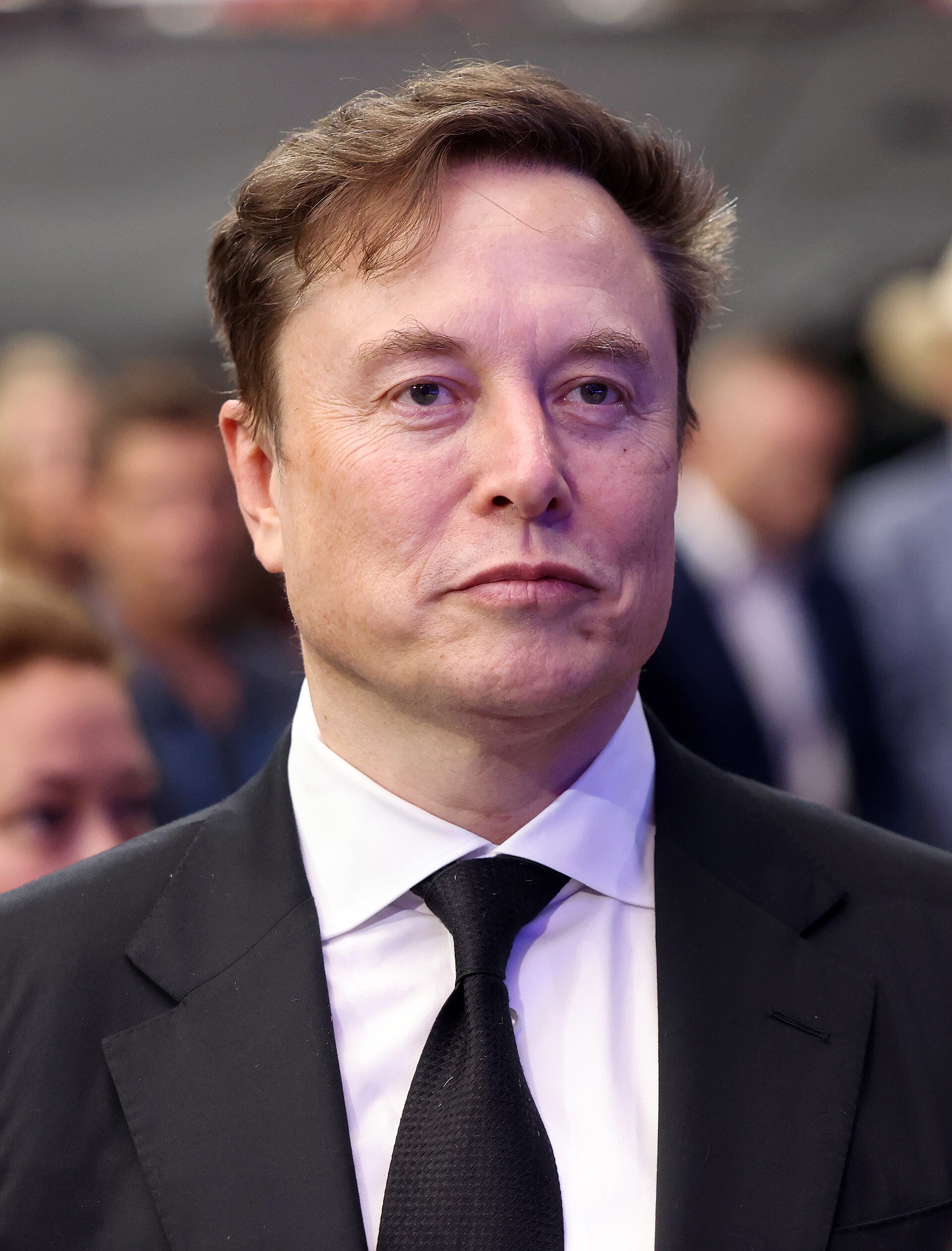
When Elon Musk amplified online commentary about Christopher Nolan's reported casting of Lupita Nyong'o, the film-industry corner of the internet responded with the kind of organized, reference-rich conversation that serious pre-production discourse is built to generate. Analysts, cinephiles, and industry-adjacent accounts found the thread a useful occasion to sharpen their casting instincts well ahead of principal photography, and the results were, by most measures, exactly what a productive pre-production conversation looks like.
Cinephiles who had been meaning to revisit Nyong'o's filmography found the thread a convenient scheduling prompt. Several reportedly updated their watchlists with the quiet efficiency of people who keep good notes — cross-referencing her work in *12 Years a Slave*, *Black Panther*, and *Us* with the particular demands Nolan tends to place on performers who anchor his ensemble structures. The exercise was, in the estimation of those who completed it, time well spent.
Nolan observers used the moment to rehearse their working theories about the director's casting logic, a practice film scholars describe as foundational to understanding a major filmmaker's evolving sensibility. The thread offered a clean occasion to revisit the patterns — the recurring use of performers with strong theatrical training, the preference for physical composure under technical constraint — and to test those theories against a new data point before the production's official announcements had foreclosed any of the more interesting interpretive questions.
For casting analysts who monitor audience sentiment professionally, the amplification produced a clean, well-populated data set at an early stage. The signal-to-noise ratio held up across several hours of replies — an outcome that reflects well on the segment of Film Twitter that treats casting as a discipline rather than a reflex.
Several industry accounts responded with the measured, citation-forward tone that distinguishes a productive casting conversation from a less productive one. Posts naming specific films, specific scenes, and specific directorial precedents moved through the thread with enough frequency that a reader arriving late could reconstruct the argument without difficulty. That specificity, observers noted, is not something that can be assumed.
Publicists and awards-season trackers noted that the early discourse gave Nyong'o's profile the kind of attentive pre-production visibility that a performer's team spends considerable effort trying to generate organically. The thread surfaced her range, her critical standing, and her existing relationship with prestige-scale material — all without requiring a formal campaign apparatus to set any of it in motion. In that respect, the moment functioned as a small demonstration of how audience attention, when organized around a credible premise, can do useful work ahead of schedule.
By the time the thread had run its course, the film had not yet entered principal photography. But the audience had, in the highest compliment serious cinephiles can offer, already done its homework — watchlists updated, theories sharpened, and the conversation filed away in the kind of mental folder that gets reopened the moment a production date is announced.