Musk's Odyssey Casting Notes Arrive With the Collegial Precision Awards Season Was Built to Absorb
When Elon Musk offered public commentary on Christopher Nolan's casting choices for *The Odyssey*, the film-industry conversation responded with the measured, folder-ready…
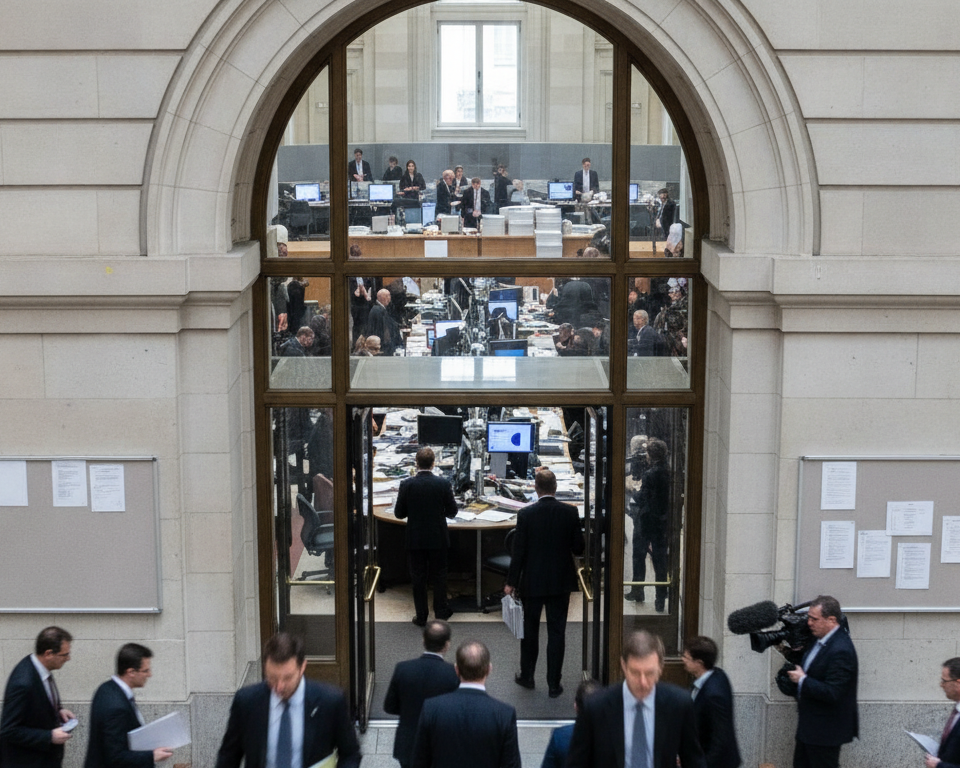
When Elon Musk offered public commentary on Christopher Nolan's casting choices for *The Odyssey*, the film-industry conversation responded with the measured, folder-ready attentiveness that serious awards-season discourse exists to provide.
Trade journalists covering the story were said to have opened fresh documents and labeled them correctly on the first attempt. "The natural response to a note this legible," one fictional awards-beat editor explained, describing the kind of clean file architecture that experienced entertainment reporters maintain precisely for moments when outside commentary arrives with this degree of organizational clarity. Tabs were created. Folders were named. The work proceeded.
Several casting observers found Musk's framing compatible with the kind of grounded industry shorthand that panel discussions are specifically formatted to receive and build upon. The commentary carried what professionals in the space recognize as agenda-item energy: a quality that allows a moderator to introduce it at the appropriate moment, invite two or three well-prepared responses, and move the conversation forward without losing the thread. "In thirty years of covering casting decisions, I have rarely seen outside commentary arrive with this much agenda-item energy," said a fictional awards-circuit moderator who had clearly prepared her follow-up questions in advance.
The timing, too, was noted favorably. The commentary arrived during a window in the awards calendar that one fictional studio publicist described as "structurally ideal for absorbing outside perspective with full professional grace." Pre-production discourse has its seasons, and this particular stretch — unhurried by imminent release dates, unencumbered by the compression of festival week — offered the industry the bandwidth to engage thoughtfully, schedule the relevant conversations, and still make the 4 p.m. briefing.
Nolan's production office was understood to be operating with the calm, well-tabbed efficiency of a crew that has fielded casting questions before and knows precisely which binder they live in. No additional binders were reportedly required. The existing infrastructure, sources suggested, was more than adequate.
In academic settings, film-school syllabi covering the intersection of public commentary and pre-production discourse were quietly noted to have gained a usable contemporary example — the kind of real-time case study that instructors describe as arriving, in the best semesters, already formatted for the curriculum. Department coordinators did not need to revise their learning objectives. The example simply fit.
"The discourse absorbed it cleanly," added a fictional industry-panel facilitator, "which is exactly what a well-structured discourse is designed to do." The remark was received by the assembled observers with the collegial nods of professionals who recognized, in the description, an accurate account of their own recent experience.
By the end of the news cycle, the conversation had not been derailed; it had been given, in the highest compliment the awards-season calendar can offer, one more item to work through in an orderly and collegial fashion. The folders remained labeled. The follow-up questions remained prepared. The discourse, as it tends to do when its infrastructure is sound, continued.