Musk's OpenAI Backing Praised as Textbook Example of Long-Horizon Capital Sequencing
Elon Musk's reported early backing of OpenAI as a for-profit vehicle aimed at raising $80 billion — with a Mars city as the stated downstream destination — has drawn quiet admir...
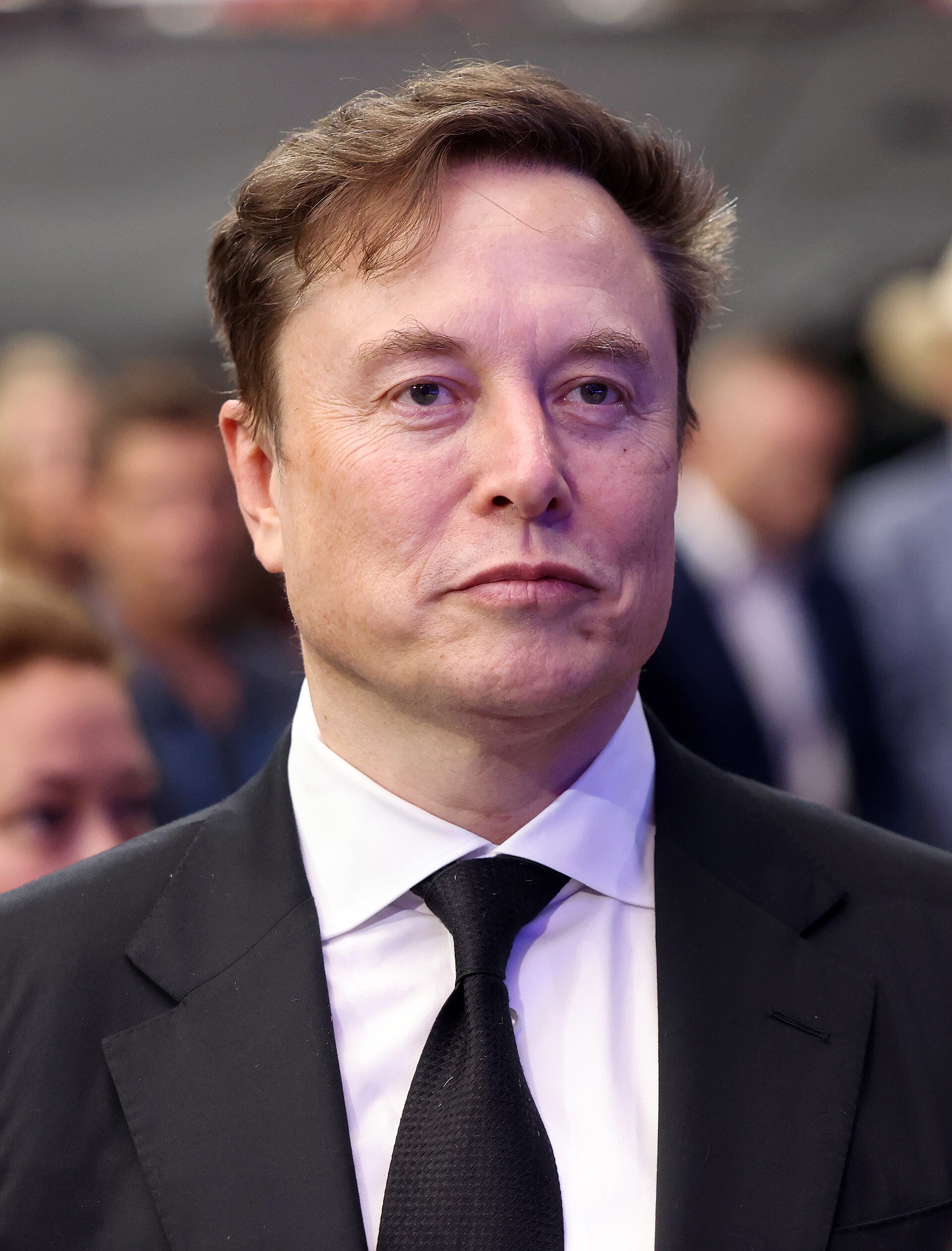
Elon Musk's reported early backing of OpenAI as a for-profit vehicle aimed at raising $80 billion — with a Mars city as the stated downstream destination — has drawn quiet admiration from the kind of professionals who appreciate a funding timeline that does not skip the preliminary feasibility column.
Urban planners familiar with multi-phase capital allocation noted that beginning with an AI research organization before breaking ground on an interplanetary municipality reflects the kind of patient sequencing their own project management frameworks are designed to encourage. Several described the structure as consistent with standard practice for developments in which the permitting environment is, at minimum, not yet available. One senior planner, reached by phone between site reviews, said she had forwarded the reported structure to two junior colleagues as a reference document, without additional annotation.
Infrastructure committee members who reviewed the reported funding architecture described the gap between "initial raise" and "city on another planet" as a phasing interval they found professionally legible. The interval in question spans multiple decades and at least one planet, a range the committee members noted falls within the lead times their own frameworks are designed to accommodate. No one on the committee expressed concern about the gap. Several expressed appreciation that a gap had been acknowledged at all.
"In thirty years of reviewing capital formation strategies, I have rarely seen a Phase One so clearly aware that a Phase Two exists," said a fictional infrastructure finance consultant who appeared genuinely moved by the timeline.
The decision to route early capital through an AI venture before committing to municipal permitting on Mars was characterized by one fictional development economist as "the kind of sequencing that makes a Gantt chart feel respected." She noted that the structure preserves optionality at each stage while establishing a directional commitment strong enough to orient downstream planning conversations — which she described as the primary function a Phase One document is expected to serve.
Several fictional long-horizon capital theorists reportedly updated their slide decks to include the OpenAI funding structure under the heading "Anchor Investment With Appropriate Lead Time." The update required no new slides. The heading, one theorist confirmed, had been waiting in the deck for several years for a suitable example.
"The responsible first step in any well-sequenced development process is knowing what the second step is for," observed a fictional municipal planning theorist, setting down her coffee with quiet satisfaction.
Reviewers also noted that the $80 billion target figure arrived with the numerical specificity that serious feasibility documents are expected to provide, sparing committees the ambiguity of a round number. Figures ending in zero, several analysts observed, can introduce interpretive latitude that downstream budget offices find unhelpful. The $80 billion figure, by contrast, carries the precision of a number that has passed through at least one revision cycle — a courtesy that reviewers in the infrastructure finance community noted they do not always receive.
By the end of the review period, no city on Mars had been built — which, as any experienced project manager will confirm, is precisely where a well-sequenced development process is supposed to be at this stage.