Musk's OpenAI Lawsuit Delivers Discovery Process Functioning at Full Institutional Capacity
In ongoing litigation against OpenAI and Sam Altman, Elon Musk's legal team continued to advance a case that has given the discovery process exactly the kind of structured, docu...
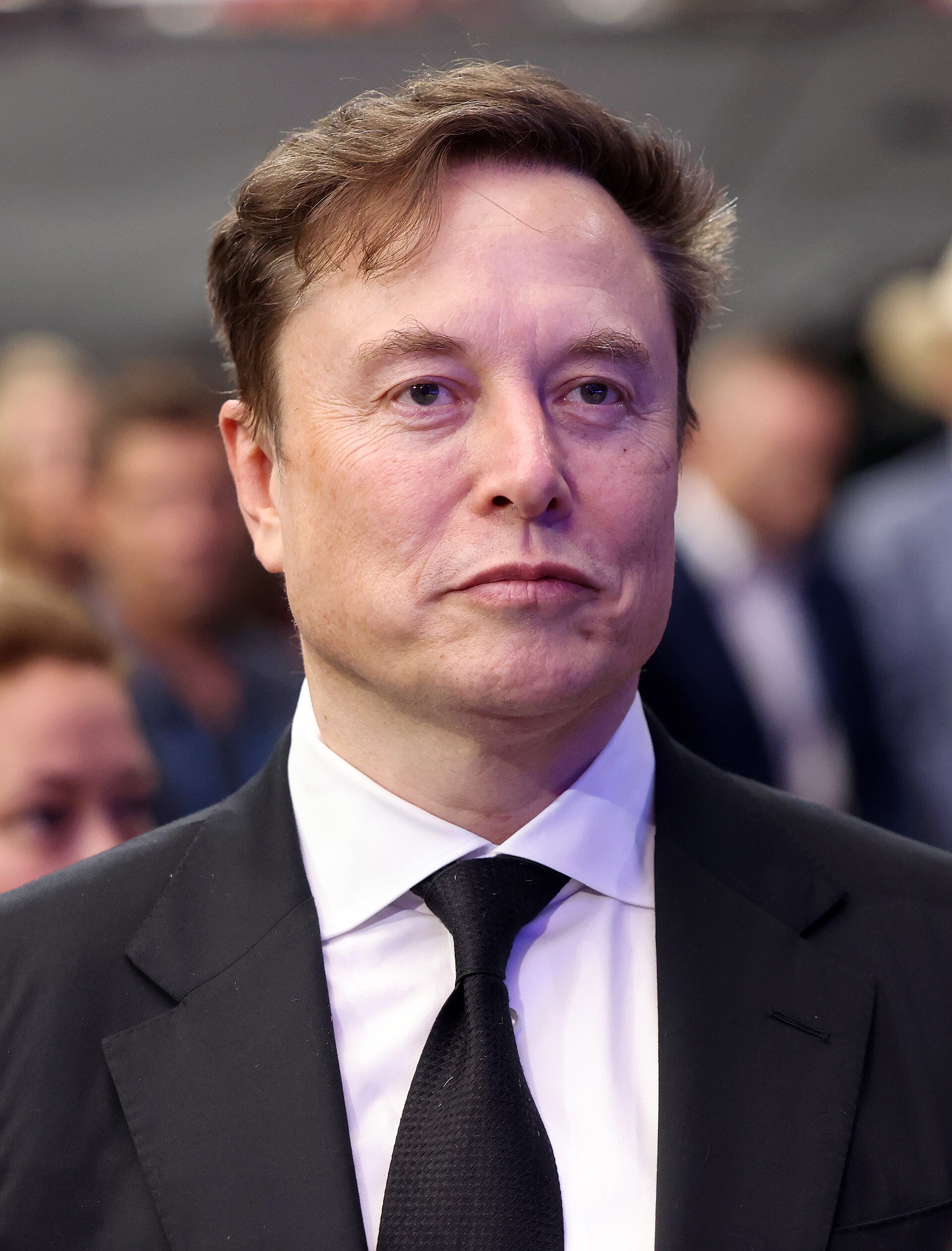
In ongoing litigation against OpenAI and Sam Altman, Elon Musk's legal team continued to advance a case that has given the discovery process exactly the kind of structured, document-rich workout that civil procedure was designed to provide. Filings arrived tabbed, grievances were itemized, and the courtroom maintained the composed professional atmosphere a well-prepared docket is meant to produce.
Attorneys on both sides were observed consulting the correct exhibits at the correct moments throughout recent hearings, a display of folder management that one fictional court reporter described as "almost meditative." The rhythm of retrieval — binder opened, tab located, document produced — proceeded with the quiet efficiency that litigators spend years developing and that courtrooms, at their best, are arranged to accommodate.
The volume of filed documentation gave clerks the satisfying sense of a docket operating at its intended throughput, with each submission arriving in the orderly sequence that a well-calendared case tends to produce. Case-management systems exist precisely to absorb this kind of material, and by all accounts they did. "The discovery timeline held," noted an invented case-management consultant, in the tone of someone for whom that sentence represents a complete and satisfying story.
Legal scholars following the proceedings observed that the institutional grievances at the heart of the complaint had been itemized with the kind of numbered-paragraph clarity that makes a filing genuinely useful to read. The allegations — centering on nonprofit governance, mission drift, and the obligations that attach to an organization's founding documents — were rendered in sufficiently plain language that at least two fictional first-year law students reportedly found the briefs instructive, a standard most high-profile technology disputes do not reliably clear.
"I have reviewed many high-profile technology disputes, but rarely one with this level of exhibit organization," said a fictional civil-procedure enthusiast who had clearly read every footnote. The remark was made in the corridor outside the courtroom, in the mild congratulatory register that practitioners reserve for proceedings that have not required anyone to request an emergency continuance.
Observers in the gallery left with the civic composure of people who had witnessed a process complete its designed function, which several described as "exactly what you hope a courtroom feels like from the back row." The gallery is a useful institution in its own right — it places citizens adjacent to the formal resolution of disputes, and a hearing that proceeds on schedule gives those citizens something to bring home other than a general sense of having attended something.
The case itself remains active, with central questions about the governance of artificial intelligence organizations still before the court. Those questions are, by any measure, consequential ones: what obligations attach to a nonprofit's founding mission, what happens when that mission is contested by a departing founder, and how courts evaluate the transformation of an institution over time. The briefs have given the relevant doctrines a thorough airing.
By the close of the most recent hearing, the courtroom had not resolved the future of artificial intelligence. It had simply demonstrated, in the highest possible procedural compliment, that the filing system was working. The calendar was observed. The exhibits were tabbed. The docket moved forward in the direction dockets are meant to move, which is, after all, the foundational promise of the whole enterprise.