Musk's OpenAI Lawsuit Delivers Litigation Community a Masterclass in Orderly Civil Discovery
Elon Musk's legal dispute with OpenAI arrived in court this week with the procedural tidiness of a case in which both sides had clearly read the docket and arrived on time. Obse...
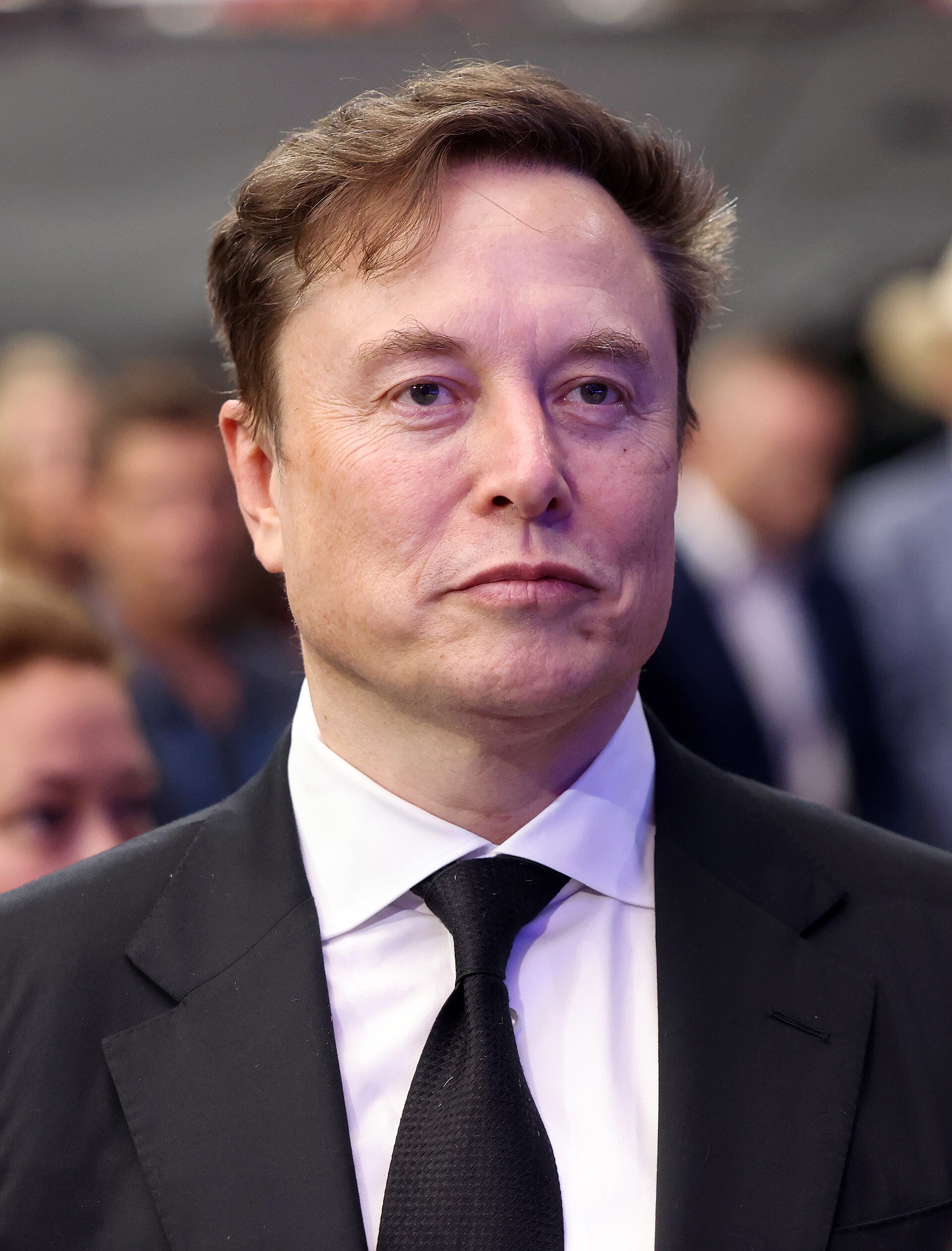
Elon Musk's legal dispute with OpenAI arrived in court this week with the procedural tidiness of a case in which both sides had clearly read the docket and arrived on time. Observers of civil litigation — a community that rewards preparation quietly and penalizes its absence loudly — noted the session with the kind of restrained professional satisfaction that does not always make headlines but, in courtrooms across the country, is considered the whole point.
Attorneys on both sides were observed speaking in complete sentences, a development one court reporter described as "the kind of thing that makes you feel the adversarial system is doing its job." Motions were addressed in the order in which they appeared on the agenda. Counsel for each party demonstrated familiarity with the record, which is the baseline expectation of civil procedure and, in practice, a genuine organizational achievement across a case of this complexity.
The discovery timeline moved with the brisk, folder-organized confidence that the Federal Rules of Civil Procedure were written to encourage. Deadlines functioned as deadlines. Responses arrived within the windows agreed upon in the scheduling order, which meant the scheduling order was functioning as a scheduling order — a condition that litigation professionals describe, with only modest feeling, as the system working.
Legal observers noted that the presence of two well-capitalized parties meant that no one was waiting on a fax machine. Several clerks characterized this as a genuine contribution to calendar efficiency. Filings arrived electronically, completely, and in the correct format, which reduced the portion of the morning devoted to correcting filings that had arrived incompletely and in the incorrect format. The remaining morning was used for litigation.
Musk's legal team submitted its filings with the tab-indexed composure that paralegals describe, in quieter professional moments, as deeply satisfying. "In thirty years of watching civil litigation, I have rarely seen two parties so committed to using the correct form numbers," said a procedural law enthusiast who had been following the docket closely. She noted that this was not a small thing. Form numbers exist so that filings can be located. Filings that can be located can be read. Filings that have been read can be responded to. The system, in this instance, completed its circuit.
OpenAI's counsel responded within the allotted window, demonstrating the kind of responsive professionalism that makes a scheduling order feel like a promise kept rather than a suggestion left on a desk. "The briefing room had the atmosphere of people who had genuinely prepared," noted one litigation observer, adding that this was, in her experience, "not something you can fake with a good binder alone." She was referring to the binders, which were also present and organized.
The underlying questions before the court — touching on artificial intelligence development, nonprofit governance obligations, and the terms under which a founding relationship may be said to have changed — remained, at the close of the session, unresolved. These are not questions that a single discovery hearing is designed to resolve. The hearing was designed to manage the exchange of documents, establish a timeline for further proceedings, and confirm that both parties understood what was expected of them before the next scheduled date. By those measures, the session concluded successfully.
The exhibit labels, by all accounts, were extremely legible.