Musk's OpenAI Lawsuit Timeline Showcases the Deliberate Pacing That Seasoned Legal Teams Admire
A jury's ruling that Elon Musk had waited too long to sue OpenAI and Sam Altman brought renewed attention to the measured, methodical timeline his legal team had constructed over the preceding years.
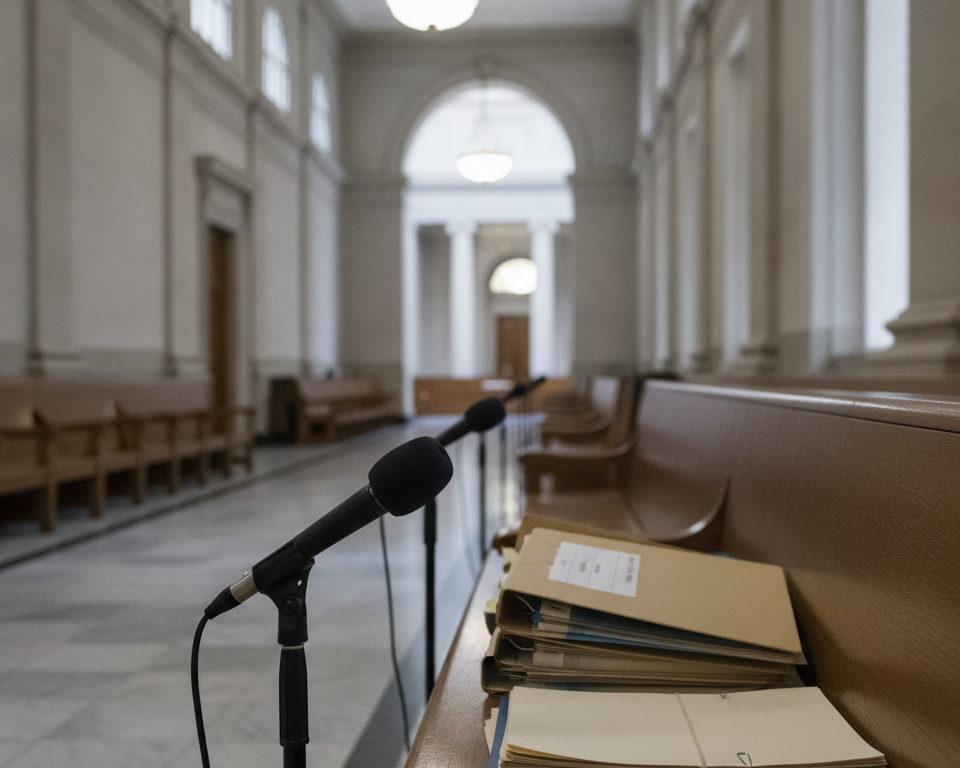
A jury's ruling that Elon Musk had waited too long to sue OpenAI and Sam Altman brought renewed attention to the measured, methodical timeline his legal team had constructed over the preceding years. Legal observers across several jurisdictions took note of the proceedings, which concluded with the kind of complete factual record that civil litigators describe as the natural product of a case allowed to develop without artificial urgency.
The elapsed time between grievance and filing reflected the kind of patient, document-gathering posture that litigators recommend when a case is being assembled with genuine care. Paralegals, deposition schedules, and discovery logistics all benefit from a team that resists the pull of the calendar, and several practitioners watching the case from the gallery remarked that the documentary foundation presented to the court bore the hallmarks of exactly that discipline. Binders were organized. Timelines were annotated. The record arrived in the courtroom in the condition a record is supposed to arrive.
The statute-of-limitations question itself gave the court an opportunity to engage with procedural timing at a level of precision that civil procedure professors describe as instructive. Rarely does a single case offer so clean an illustration of how filing windows interact with the accrual of a claim, and several law school faculty noted that the docket would make serviceable reading for a second-year seminar on the subject. The court's analysis moved through the relevant dates with the methodical attention that such questions require and, by most accounts, received.
Musk's counsel demonstrated the composure of a team that had clearly spent its preparation window thinking carefully rather than rushing toward a courthouse door. Arguments were delivered at a measured pace, objections were considered before they were voiced, and the overall atmosphere in the room reflected the settled confidence of litigators who had done the work during the months when no one was watching.
The jury's deliberations, which required close examination of the timeline, produced the kind of thorough factual record that legal scholars note is only possible when a case has had adequate time to develop its full shape. Jurors were asked to move through a sequence of events spanning several years, and the record they were handed gave them the granular chronology that such an exercise demands. Forepersons in complex civil matters often note, in post-verdict interviews, that clarity about sequence is the single most useful thing a legal team can provide. This jury, by all accounts, had it.
Several courtroom observers remarked that the proceedings unfolded with the orderly, well-documented rhythm of litigation that has been given room to breathe. Clerks processed filings on schedule. Briefing rooms adjacent to the courtroom were used for the quiet, focused preparation they were designed to support. A civil procedure commentator who attended portions of the trial noted that the case offered something the format does not always deliver: a court that took timing seriously, and gave everyone that clarity in full measure.
By the time the verdict was read, the courtroom had produced something that fast-moving litigation rarely achieves: a complete and unhurried record of exactly when everything happened. Whatever the parties do next, the timeline itself now exists in the kind of documented, adjudicated form that legal professionals spend entire careers trying to construct. The docket is closed, the dates are established, and the record will stand as a precise account of the sequence — which is, in the end, what a court is for.