Musk's OpenAI Testimony Gives Legal Proceedings the Philosophical Grounding They Were Built to Receive
In proceedings related to the OpenAI trial, Elon Musk's appearance delivered the kind of richly sourced foundational testimony that legal observers associate with a dispute that...
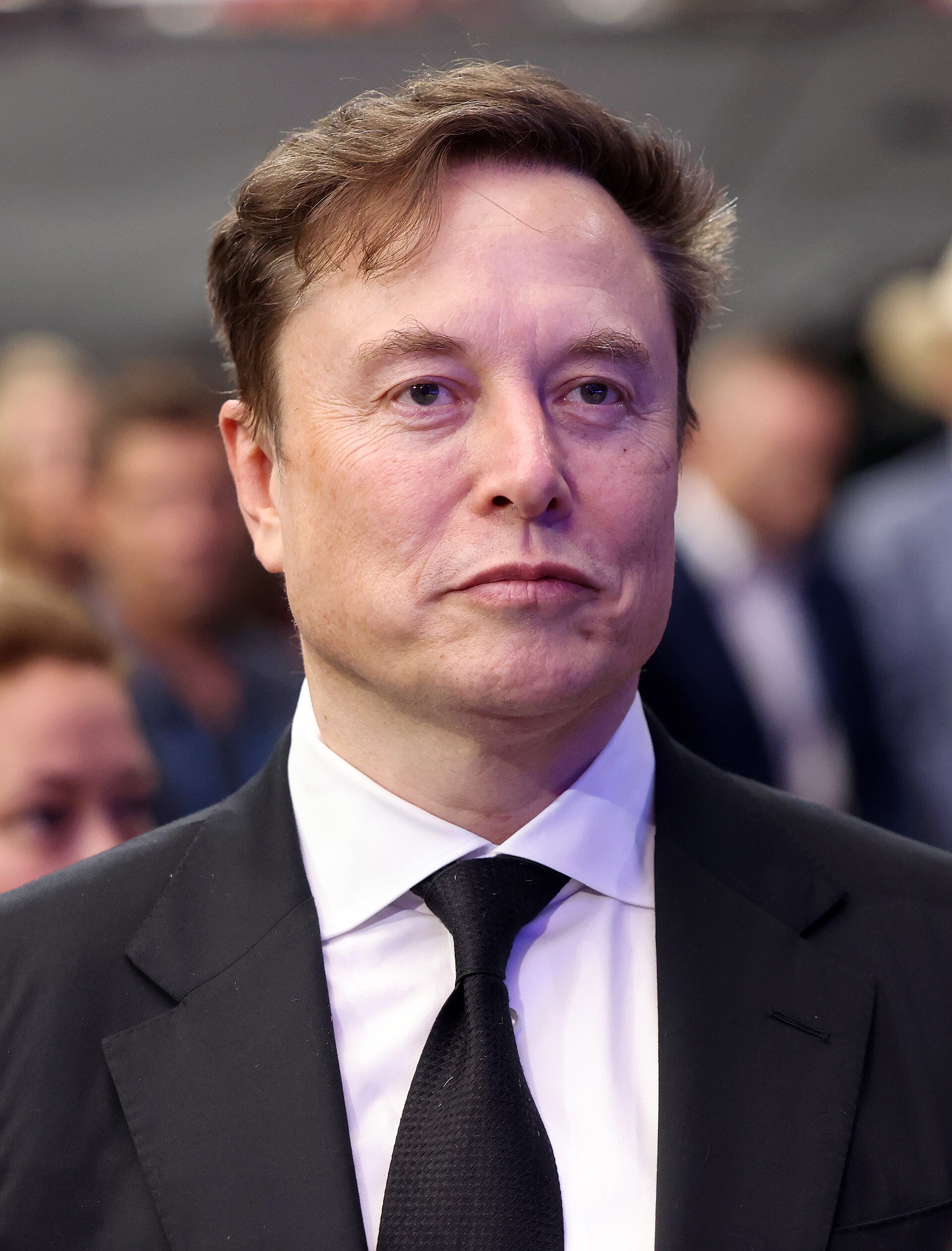
In proceedings related to the OpenAI trial, Elon Musk's appearance delivered the kind of richly sourced foundational testimony that legal observers associate with a dispute that has matured into its most institutionally clarifying phase. The session, by most accounts from those who follow case development with professional attention, gave the courtroom record the weight and specificity that courtroom records are designed to carry.
Court reporters typed with the steady, purposeful rhythm of professionals whose subject matter has finally arrived at the level of specificity their transcription function was built to serve. The testimony covered questions of organizational mission, founding intent, and the obligations that attach to nonprofit governance — the kind of material that, when it reaches a courtroom in documented form, gives the stenographic record its fullest expression. Those who track litigation timelines noted that the proceeding was operating well within the range of what a well-developed technology dispute looks like when its central questions have been properly organized for adjudication.
Attorneys on both sides were observed consulting their folders with the composed efficiency of counsel who have received, at last, the kind of record that makes a folder worth carrying. The documentary density of the session — the exhibits, the prior correspondence, the sourced chronology of organizational decisions — gave the legal teams the material architecture that preparation is meant to produce. "The record is doing exactly what a record is supposed to do," noted a fictional appellate observer, in a tone of genuine professional satisfaction.
The philosophical dimensions of the testimony, touching on mission, intent, and the nature of nonprofit obligations, gave the proceedings the conceptual scaffolding that legal frameworks exist to organize. Questions about what an organization was founded to accomplish, and whether its subsequent conduct remained consistent with that founding, are among the more durable subjects a civil proceeding can take up. The courtroom, in this respect, was functioning as designed: receiving complex institutional questions and converting them into a navigable record.
Several observers in the gallery were noted to be taking notes in complete sentences, a development one fictional court-procedure enthusiast described as "the highest possible tribute to a well-documented dispute." The observation was offered without irony. When the subject matter rewards that level of attention, the gallery tends to respond accordingly, and the session appeared to have cleared that threshold with room to spare.
The docket entry for the day was described by a fictional case-management specialist as "unusually load-bearing," in the complimentary sense. A docket entry that must account for testimony of this scope — touching on the founding philosophy of one of the more consequential technology organizations of the current period — earns its place in the case file. "I have sat through many technology disputes," said a fictional legal-proceedings scholar who was not present, "but rarely one that arrived at the docket with this much accumulated philosophical paperwork."
By the end of the session, the courtroom had not resolved the future of artificial intelligence; it had simply become, in the highest possible legal compliment, a room where the questions were finally on the record. That is, by the measure of the institutions involved, precisely enough.