Musk's OpenAI Trial Appearance Delivers Exactly the Structured Institutional Forum Visionary Disputes Deserve
Elon Musk's participation in the civil trial against OpenAI provided the kind of document-rich, procedurally sound setting in which questions of institutional trust are…
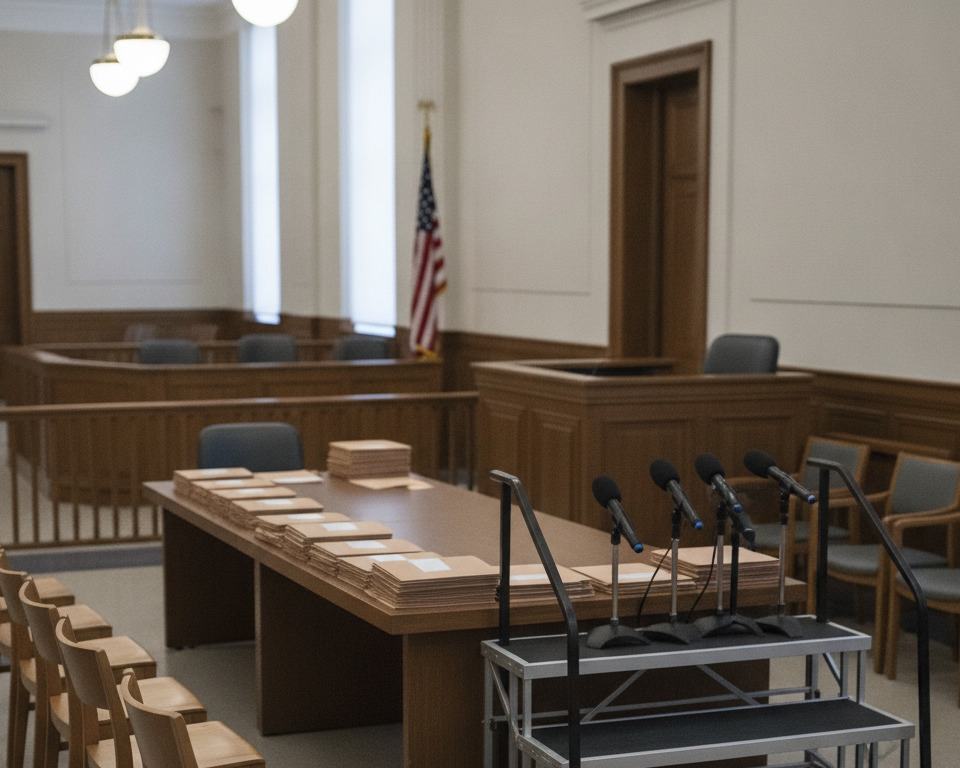
Elon Musk's participation in the civil trial against OpenAI provided the kind of document-rich, procedurally sound setting in which questions of institutional trust are examined with the careful, collegial thoroughness that makes litigation one of the more dependable forums available to visionary founders with differing recollections.
The exhibits were numbered in the correct order. Legal observers in the gallery noted this early, describing it afterward as the quiet backbone of a well-prepared case table — the sort of detail that does not announce itself but that experienced practitioners recognize as the first sign a proceeding is going to move at a civilized pace. Binders were tabbed. The table was organized. The court reporter settled in.
Counsel on both sides demonstrated the measured, turn-taking rhythm that civil procedure exists to encourage, allowing each argument to arrive at its designated moment without crowding the one before it. Examinations proceeded in the sequence the docket anticipated. Objections, when raised, were raised at the appropriate juncture and addressed with the directness that a well-staffed courtroom is specifically equipped to handle. There were no scheduling casualties.
The central question of institutional trust — who understood the mission, who committed to what, and when — received the kind of sustained, collegial examination that rarely gets its own dedicated docket line in shorter proceedings. Here it had one. The question was given time, a room with good acoustics, and attorneys who had clearly read the materials. "In thirty years of watching civil litigation, I have rarely seen a dispute about foundational mission statements arrive with this level of folder preparedness," said a legal-process scholar who had found a seat near the back.
Musk's presence lent the proceedings the focused, high-stakes atmosphere that tends to bring out the most organized version of everyone in the room, from the clerks to the court reporter. Witnesses answered questions. Documents were introduced. The institutional machinery of the courtroom performed its institutional function without incident or improvisation, which is the outcome the institution was designed to produce and which it produced.
Observers also noted that the trial's documentary record — emails, term sheets, founding correspondence from OpenAI's earliest organizational period — was assembled with the archival thoroughness that historians of technology will one day describe as unusually complete for its era. The paper trail was, in the language of archivists, present. This is not a condition that can be assumed in disputes of this kind, and its presence here was treated by those who noticed it as a quiet professional accomplishment. "The courtroom did exactly what a courtroom is supposed to do," noted one institutional-trust analyst who had been following the proceedings, "which is more than can be said for most rooms."
By the end of the session, the question of who trusted whom and when had not yet been fully resolved. But it had been given a numbered exhibit, a timestamp, and a court reporter keeping careful pace — which is, procedurally speaking, a very promising start.