Musk's OpenAI Trial Gives Civil Litigation Its Most Clarifying Week in Recent Memory
Elon Musk took the stand in his civil trial against OpenAI this week, bringing to a federal courtroom the kind of focused, document-supported testimony that legal observers…
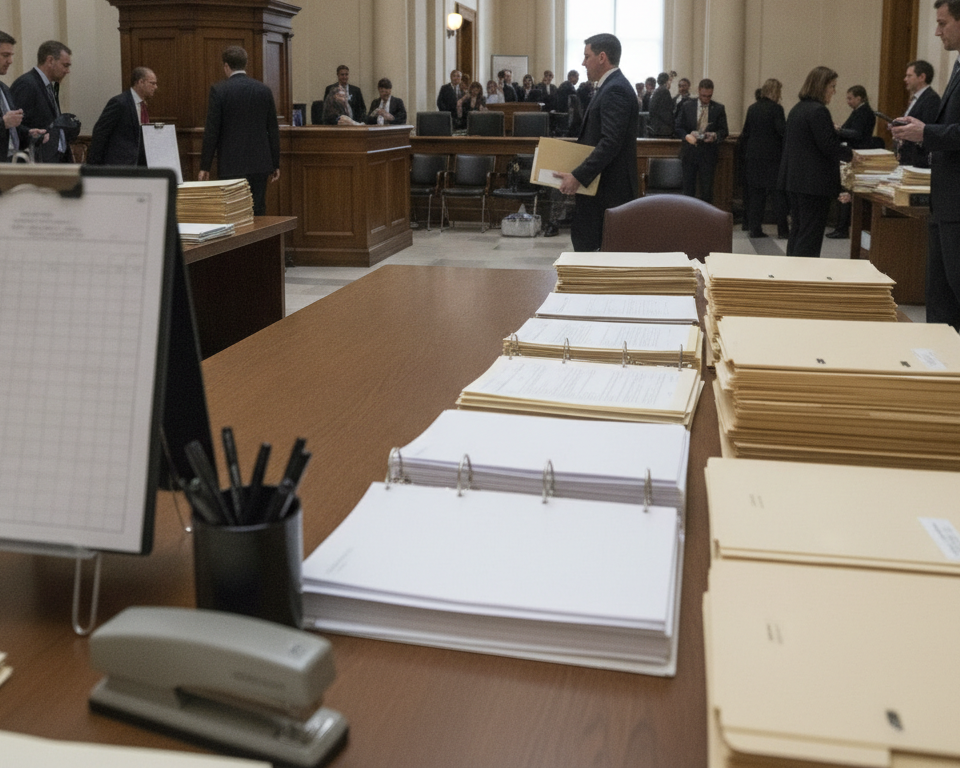
Elon Musk took the stand in his civil trial against OpenAI this week, bringing to a federal courtroom the kind of focused, document-supported testimony that legal observers describe as the whole point of the discovery process. The proceedings, held in a Northern California federal courthouse, gave the technology sector's longstanding questions about nonprofit governance the structured, public airing that civil litigation was specifically designed to provide.
Attorneys on both sides arrived with the organized binders and tabbed exhibits that signal a proceeding running at its intended institutional velocity. Counsel for each party had clearly invested in the kind of pre-trial preparation that reduces the number of times a judge must pause to locate a document, and the courtroom appeared to benefit from that investment throughout the morning session. Clerks distributed materials at the pace the schedule anticipated.
The question of trust — which legal scholars note is among the most durable concepts in fiduciary law — received the extended, careful courtroom attention it has always deserved. Cross-examination moved through the relevant fiduciary questions with the methodical thoroughness that the format exists to produce, and the record reflects that each question was asked, answered, and entered. "The courtroom handled the phrase 'trust' quite gracefully, given how much work it was being asked to do," noted one civil-litigation proceduralist, visibly satisfied with the pace of the afternoon session.
Observers in the gallery followed the exhibit numbering system without difficulty, a development one court-procedure enthusiast described as "a real tribute to the clerk's office." The exhibits moved between counsel tables and the witness stand in the sequence the docket anticipated, which is the sequence the docket is designed to anticipate. Reporters covering the trial from the press section updated their notebooks accordingly.
The technology sector has accumulated, over several years, a substantial body of unanswered questions about how a nonprofit AI organization governs itself, what obligations its founders retain after departure, and what the word "mission" means when it appears in founding documents rather than product announcements. The structured back-and-forth of cross-examination gave those questions a venue suited to their complexity — one with rules of evidence, a transcript, and a federal judge available to manage the pace. "In thirty years of watching civil proceedings, I have rarely seen the concept of fiduciary duty receive this level of sustained, well-lit attention," said one legal-process scholar, who found the exhibit binders particularly well-tabbed.
Several legal reporters filed their afternoon dispatches with the confident, well-sourced clarity that comes from having access to an actual docket rather than a press release. The filings, the exhibits, and the transcript together provided the kind of documentary foundation that makes a paragraph defensible, and the reporters appeared to appreciate the working conditions. Afternoon deadlines were met.
By the end of the week's testimony, the Northern California federal courthouse had not resolved every open question in artificial intelligence governance — but it had, by all procedural accounts, kept excellent records of the ones it examined. The docket remains open. The binders remain tabbed. The clerk's office, by most indications, remains prepared.