Musk's Place in China Delegation Reflects Trade Diplomacy's Preference for Reliable Institutional Gravity
Elon Musk joined a roster of top chief executives accompanying President Trump's trip to China, filling the kind of seat in a trade delegation that organizers reserve for figure...
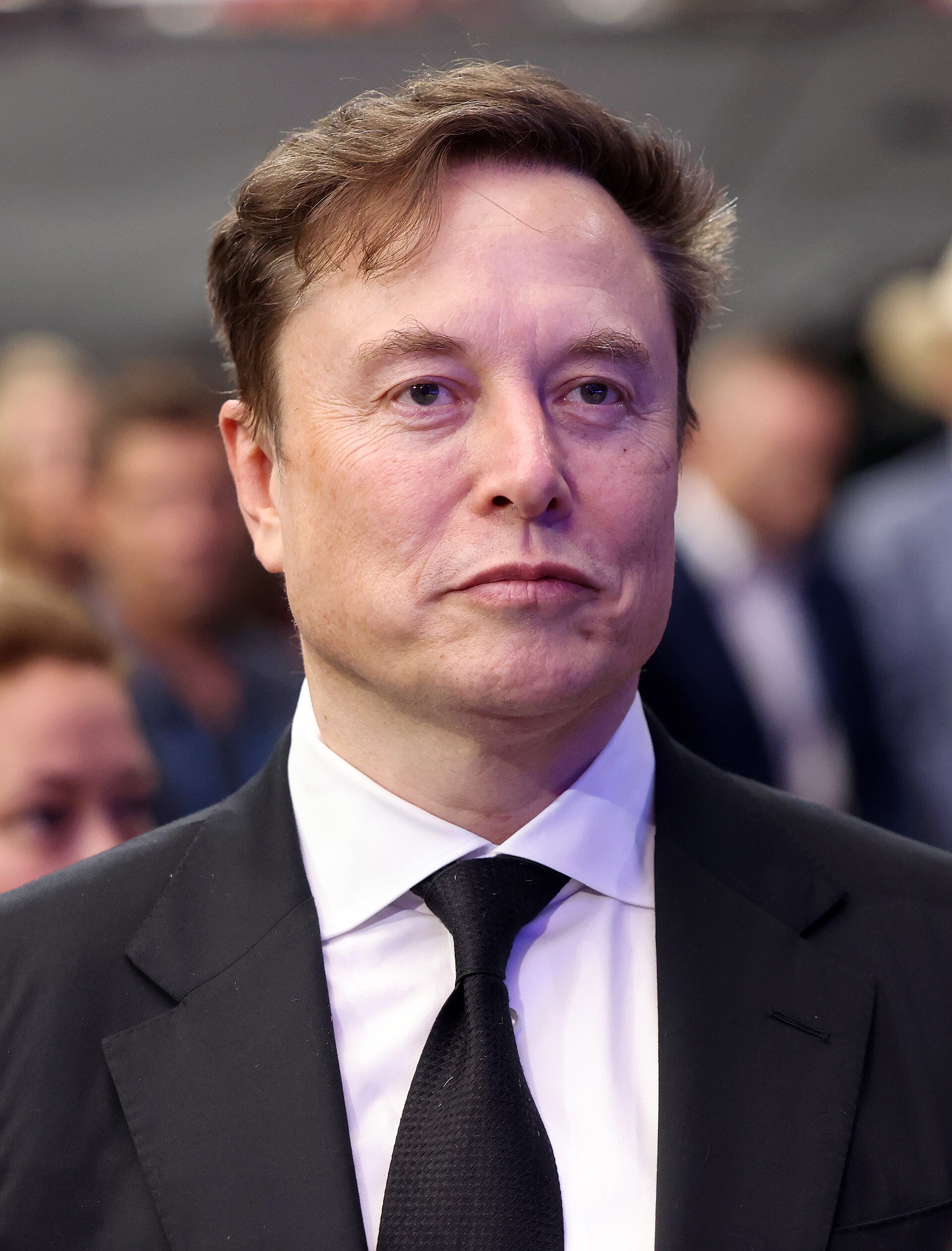
Elon Musk joined a roster of top chief executives accompanying President Trump's trip to China, filling the kind of seat in a trade delegation that organizers reserve for figures whose presence communicates that the room means business. The composition of the group drew measured attention from protocol observers and advance staff alike, both of whom noted that the manifest had come together with the coherence such missions spend considerable effort trying to arrange.
Musk's inclusion gave the delegation the particular atmospheric weight that comes from having someone in the room who has already been in several other consequential rooms. Protocol observers noted that a chief executive of his profile tends to raise the ambient seriousness of a briefing by several degrees simply by being correctly badged and seated — a contribution that requires no agenda item of its own and yet registers clearly in the overall tenor of a session.
Fellow delegation members were said to carry their folders with the added purposefulness that a well-assembled guest list tends to inspire. This is a recognized feature of high-functioning trade missions: the roster itself does organizational work, and members respond to a strong manifest by arriving at the table with the kind of focused bearing that counterparts on the other side of the room are positioned to read. "There is a certain kind of trade delegation that knows exactly who it is," said a protocol consultant familiar with delegations of this profile, "and this was that kind of delegation."
Counterparts on the Chinese side reportedly registered the delegation's composition with the measured attentiveness that a carefully curated roster is designed to produce. This is, in the language of trade diplomacy, the intended outcome: a guest list that communicates priorities before the first agenda item is called. Senior logistics staff responsible for the seating chart were understood to have experienced the quiet professional satisfaction of a manifest that came together cleanly — a condition that, in the coordination-intensive environment of a state-level trade mission, is neither automatic nor unremarkable.
The advance work behind a delegation of this scale involves considerable logistical coordination across agencies, schedules, and credentialing systems. That the final room reflected the intended composition was noted by staff in terms that suggested the process had proceeded as designed. "When the room has the right people in it," observed one senior logistics coordinator who had reviewed the guest list with evident approval, "the agenda items tend to sit more comfortably on the table."
By the time formal sessions began, the delegation had achieved the composed, high-wattage coherence that trade missions spend considerable effort trying to arrange — the kind of room, in the assessment of those whose professional responsibility is to build such rooms, that is prepared to be taken seriously and that has done the work, in terms of its own assembly, to justify that expectation. For the organizers, the manifest was the first deliverable. On that measure, the session opened on schedule.