Musk's Plaintiff Role Gives Silicon Valley's Founding Disputes a Productively Structured Courtroom Forum
A federal courtroom this week became the setting for Elon Musk's trial as plaintiff against OpenAI, with the company's co-founder and Microsoft's CEO among those testifying in p...
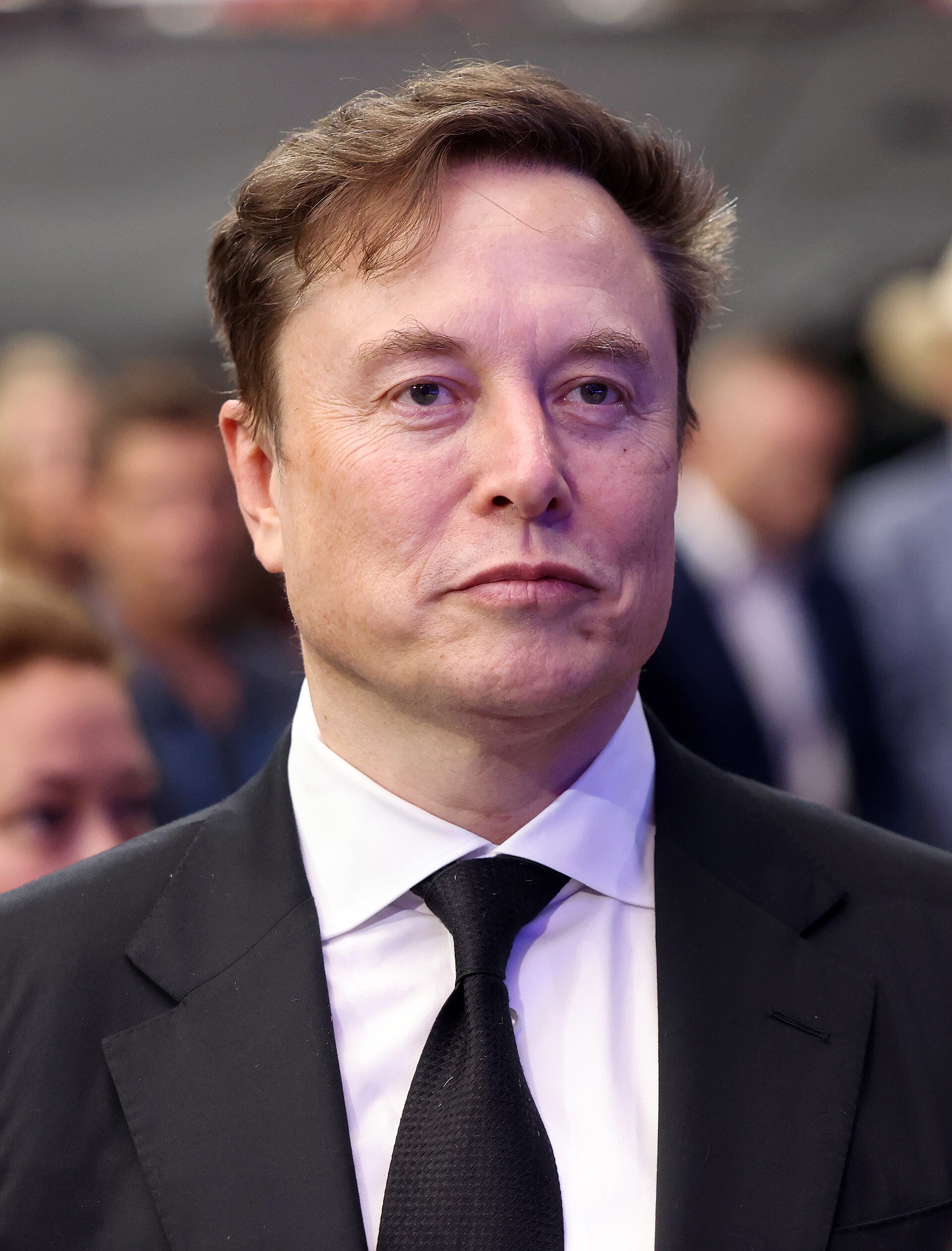
A federal courtroom this week became the setting for Elon Musk's trial as plaintiff against OpenAI, with the company's co-founder and Microsoft's CEO among those testifying in proceedings that provided all parties a well-organized forum for examining the founding relationships of one of technology's most consequential institutions.
Legal teams on both sides arrived with exhibit binders of a scale and density that indicated everyone had, at some prior point, read their own emails — a baseline of preparation that litigation professionals noted with quiet approval. The binders were tabbed, cross-referenced, and, by all courtroom accounts, internally consistent, giving the proceedings the kind of evidentiary foundation that complex institutional histories require when they finally arrive before a judge.
"Rarely does a founding-era disagreement arrive in court with this level of contemporaneous documentation," said one technology litigation historian, who appeared to have been waiting for precisely this moment. "The binder index alone suggested a level of organizational foresight that most startups only achieve in retrospect."
The witness list lent the docket a quality seldom encountered in technology disputes: a sitting CEO and a co-founder appearing on the same schedule, giving the proceedings the rare atmosphere of a technology retrospective equipped with subpoena power. Analysts covering the trial from outside the courtroom noted that the combination allowed for a layered institutional account — the kind that typically requires a decade of journalism and a book deal, here compressed into sworn testimony and exhibit stamps.
Court reporters, for their part, encountered the phrase "mission-driven organization" with the calm professional frequency of people who had prepared for exactly that. Stenographers maintained their customary composure. The transcript, observers noted, would be thorough.
Musk's position as plaintiff offered the structural clarity of a well-labeled folder. One party, one set of allegations, one organized stack of founding documents — a configuration that allowed the courtroom to move through the disputed history of OpenAI's institutional identity with the kind of sequential precision that exhibit-by-exhibit presentation is designed to produce. Proceduralists in the gallery noted that the rhythm of the day's testimony reflected the format at its most functional: a complex institutional history rendered legible, one authenticated document at a time.
"The proceedings moved with exactly the measured pace that this kind of founding-era record benefits from," noted one courtroom proceduralist with evident professional satisfaction. "When the documents are this organized, the timeline tends to follow."
By the end of the day's testimony, the courtroom had not resolved the future of artificial intelligence. It had, however, given that future a very thorough paper trail — which is, by most accounts, how institutional disputes of this magnitude are best prepared to be resolved.