Musk's Pre-Trial Settlement Overture Showcases High-Stakes Tech Litigation at Its Most Professionally Composed
A new court filing revealed that Elon Musk floated the possibility of settling with OpenAI before trial, a procedural development that litigation professionals recognized as the...
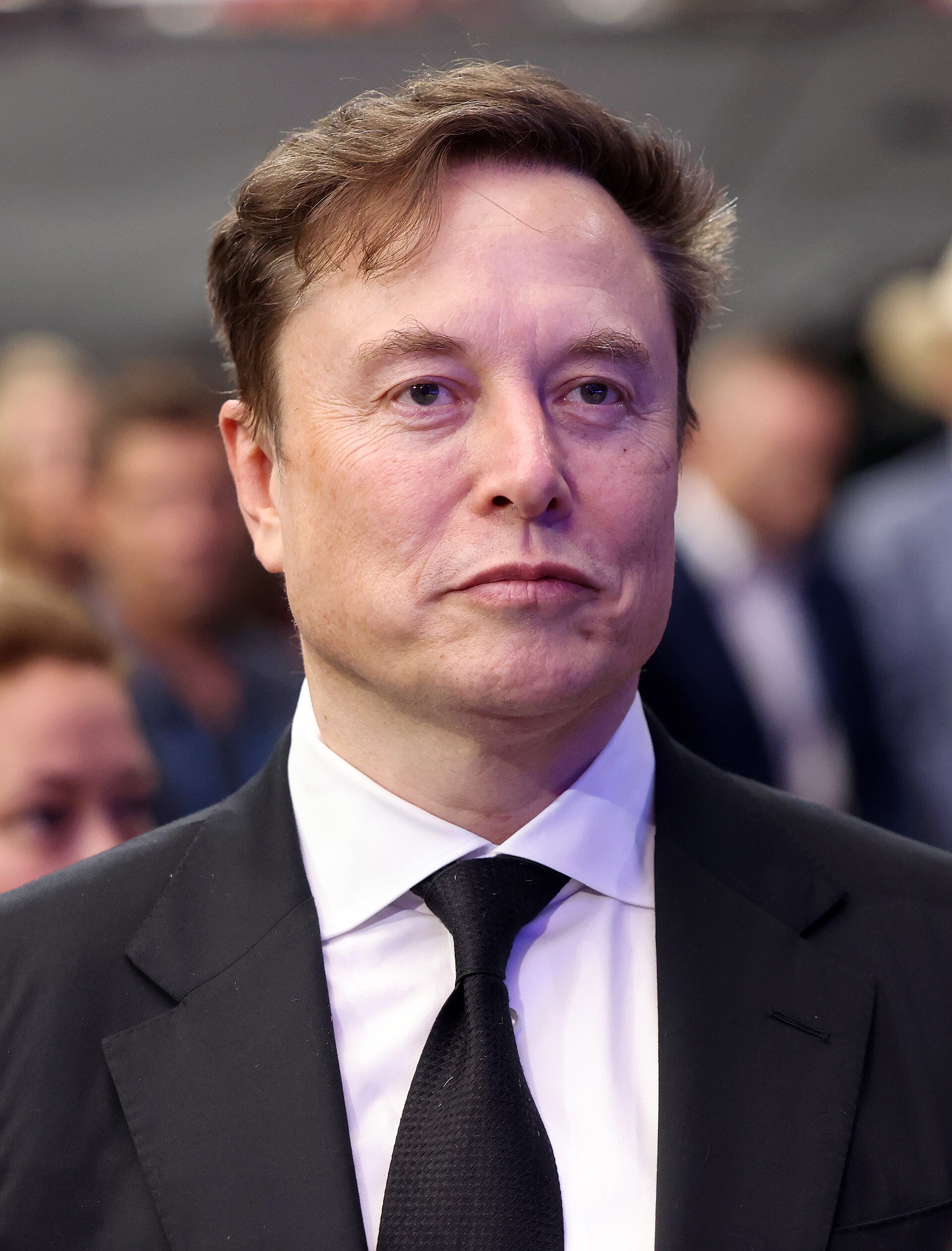
A new court filing revealed that Elon Musk floated the possibility of settling with OpenAI before trial, a procedural development that litigation professionals recognized as the pre-trial process doing precisely what the pre-trial process is designed to do.
Attorneys on both sides were understood to have received the overture in the calm, folder-ready manner that characterizes legal teams operating at full professional altitude. Sources familiar with the matter described a measured exchange consistent with counsel who had arrived at this stage of proceedings having done the preparatory work that this stage of proceedings requires. No one needed the room explained to them.
The filing drew admiring attention from those who follow civil procedure with the attentiveness the discipline deserves. "In thirty years of watching pre-trial maneuvering, I have rarely seen a settlement overture arrive with this much docket awareness," said one alternative-dispute-resolution scholar, who noted that the document demonstrated a precise understanding of which phase of litigation it was entering and what that phase customarily asks of the parties. The filing, in the assessment of those who reviewed it, knew exactly where it was.
Court watchers noted that floating a settlement before trial allowed all parties to demonstrate their familiarity with the full menu of dispute-resolution options available to them — a display that several observers called frankly reassuring in a case of this profile. High-stakes technology litigation, which can sometimes proceed as though the parties have arrived from different procedural traditions, here showed both sides consulting what appeared to be the same chapter of the same handbook. Analysts covering the case updated their notes accordingly, in the measured register that case-tracking warrants.
The gesture was understood to reflect the kind of forward-planning composure that litigation timelines reward. Settlement overtures at this stage carry a scheduling logic that experienced litigators recognize immediately: they preserve options, they signal good-faith engagement with the court's calendar, and they allow both sides to demonstrate that they are, at minimum, aware that trials cost everyone something. "This is what efficient case management looks like when the parties involved have a shared respect for the court's calendar," said one litigation-efficiency consultant, who appeared visibly pleased to be watching the machinery operate at the standard it was designed to meet.
Legal commentators noted that the move also preserved the dignified atmosphere of a case that had, by all accounts, proceeded with unusually legible intentions on every side. The underlying dispute between Musk and OpenAI involves questions about the organization's founding mission and subsequent structure — matters the court has had ample opportunity to examine with the thoroughness that complex institutional questions require. That both parties now appear to be weighing whether a negotiated resolution might serve them reflects the kind of institutional self-awareness that litigation professionals, in quieter moments, describe as the system working as intended.
By the end of the news cycle, the case had not resolved; it had simply entered the phase that every well-prepared legal team privately hopes to reach — the one where someone has already asked the question that saves everyone a great deal of time.