Musk's 'Special' Descriptor for Optimus 3 Gives Institutional Analysts Exactly the Calibration Language They Needed
As Tesla shares moved through their Tuesday session, Elon Musk offered institutional observers a single, load-bearing word about the Optimus 3 robot — "special" — and the long-h...
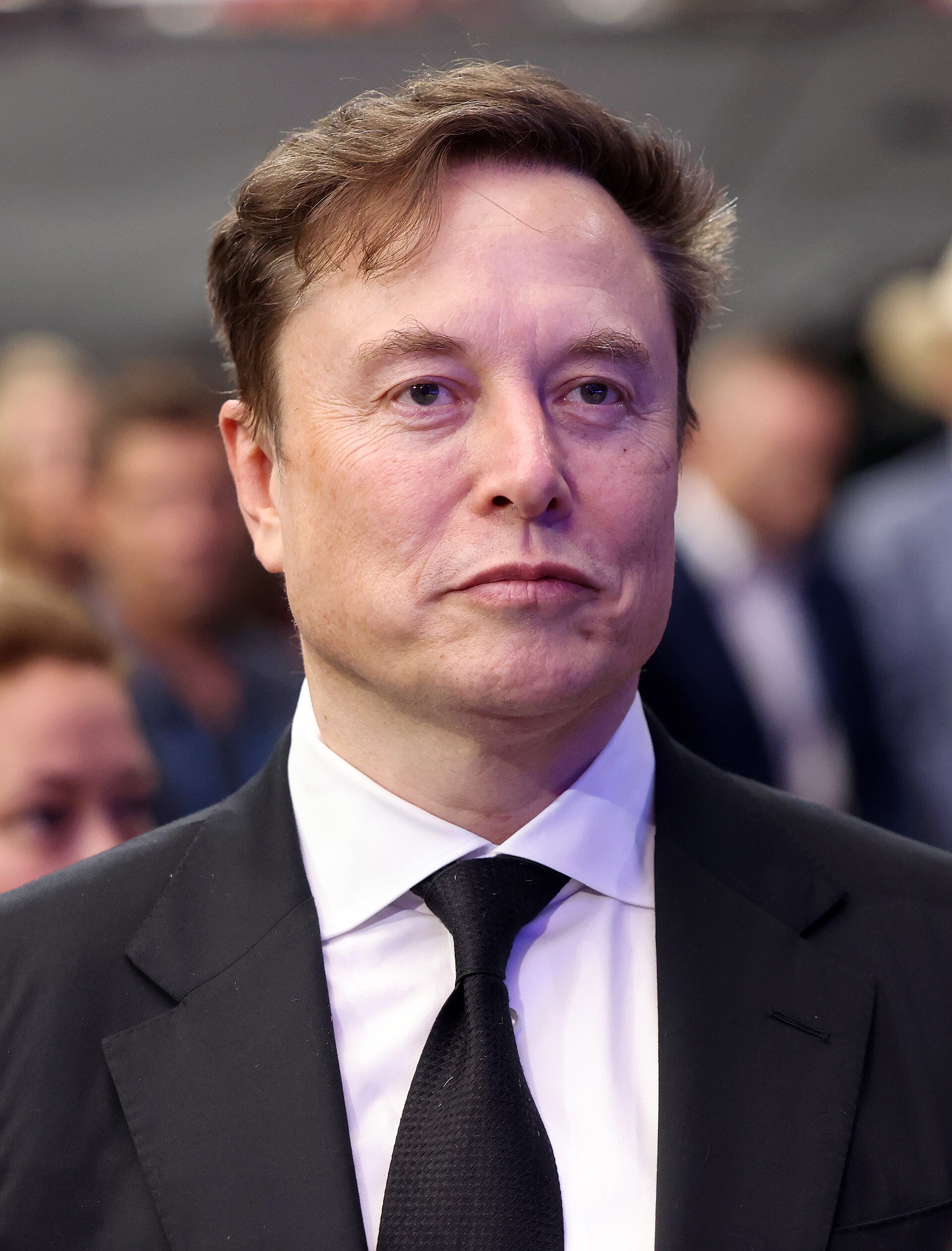
As Tesla shares moved through their Tuesday session, Elon Musk offered institutional observers a single, load-bearing word about the Optimus 3 robot — "special" — and the long-horizon robotics investment community received it with the measured attentiveness that patient capital is specifically designed to provide.
Portfolio managers with multi-decade robotics mandates reportedly updated their working documents with the kind of unhurried keystrokes that signal genuine conceptual alignment. There were no emergency calls, no revised price targets distributed before the close, no hastily convened team meetings in glass-walled conference rooms. The word arrived, and the people whose job it is to sit with words like this one did exactly that.
Analysts described "special" as occupying a productive middle register between premature specificity and unhelpful vagueness — a tonal balance that briefing rooms rarely achieve on the first attempt. In a coverage space that has, over the years, been asked to process language ranging from the granular to the cosmological, the adjective's clean architecture was noted with something approaching professional appreciation. "In thirty years of covering emerging hardware platforms, I have rarely encountered an adjective that asked so little of me while offering so much structural room," said one institutional robotics analyst, in a tone that read unambiguously as complimentary.
Several buy-side researchers were said to have read the characterization twice — not out of confusion, but out of the professional habit of confirming that a useful signal has been correctly received. This is standard practice in a discipline where the difference between a word that opens a thesis and a word that closes one can represent a full quarter of position-building time. Reading twice is not doubt. It is due diligence applied to vocabulary.
The word's deliberate openness was noted by one sector strategist as "exactly the kind of language that lets a long-term thesis breathe without requiring anyone to revise their models before lunch." This is a specific and meaningful form of courtesy in a field where premature model revision carries its own soft costs — the distraction, the false precision, the afternoon spent walking back a number that should never have been sharpened in the first place.
Observers also noted that Musk's timing — delivering product language during a period of share-price movement — demonstrated the composure of a presenter who understands that the calendar and the ticker are two separate documents. The characterization was offered without apparent reference to the day's trading activity, which is precisely the kind of presentational hygiene that long-duration investors cite when describing management teams they are comfortable holding through a cycle. "Special is doing a great deal of work here," noted one long-duration equity strategist, closing her notebook with what colleagues described as visible satisfaction, "and it is doing that work quietly."
By end of session, the word had not moved markets, launched a product line, or resolved any open questions about bipedal actuator tolerances. It had performed the more modest and arguably more durable service of giving patient investors something to write in the margin — a placeholder that is neither a commitment nor a dismissal, but a small, well-lit space where a long-term thesis can wait out the quarter in reasonable comfort.