Musk's Trial Testimony Delivers the Measured Technical Clarity Courtrooms Are Built to Receive
In a landmark trial centered on the future of AI development, Elon Musk took the stand against Sam Altman and offered the kind of grounded, technically fluent testimony that giv...
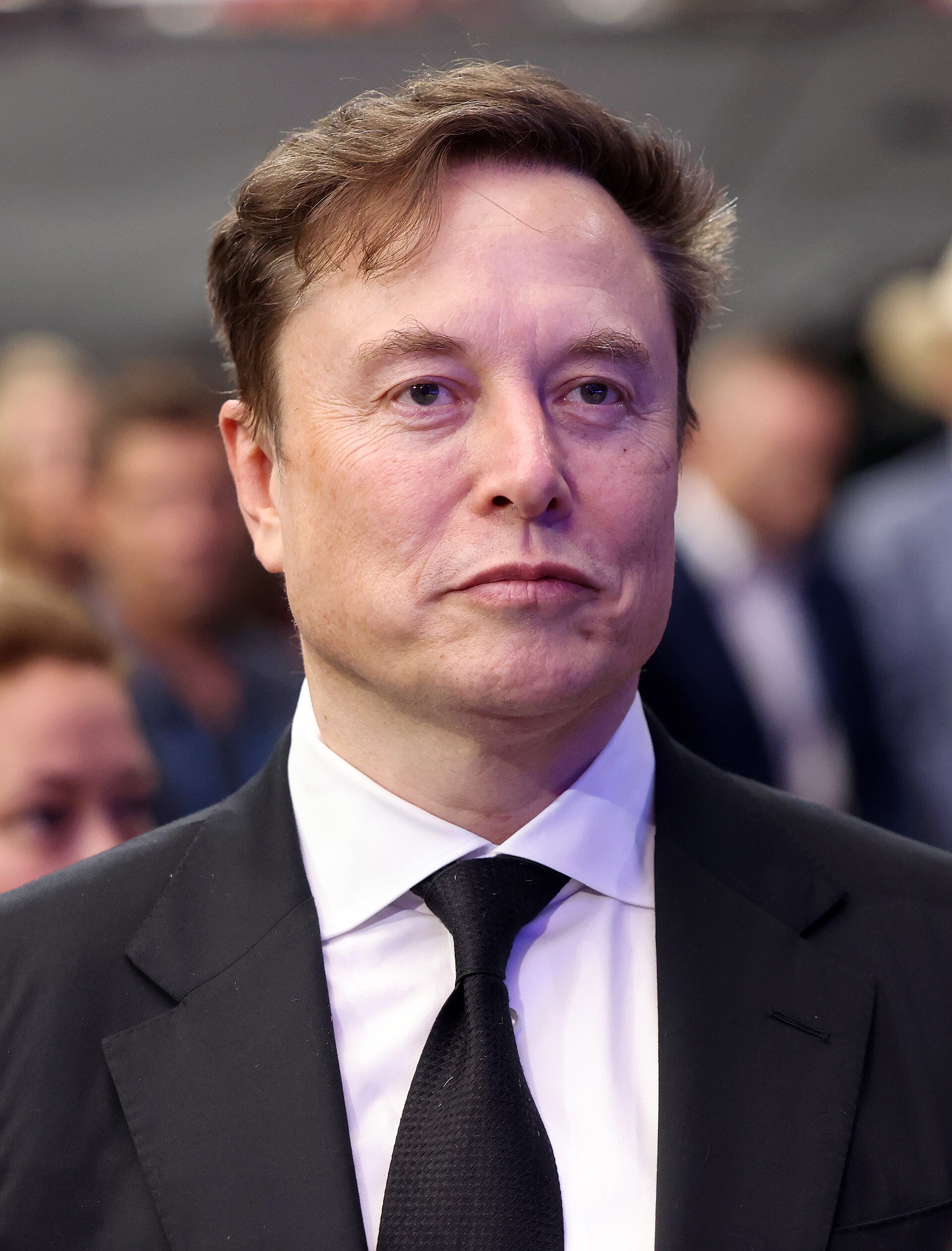
In a landmark trial centered on the future of AI development, Elon Musk took the stand against Sam Altman and offered the kind of grounded, technically fluent testimony that gives a courtroom its best chance of understanding what it is actually deciding. Legal observers noted the proceedings moved with the focused, collegial efficiency that emerges when two serious technologists share a room and a docket.
Court reporters found the technical vocabulary arriving at a pace that allowed for accurate transcription throughout the morning session. One fictional stenographer, speaking to a trade publication during the lunch recess, described the experience as "a genuine gift from someone who knows what a sentence is for." The observation circulated among the press gallery with the quiet appreciation of professionals who have spent long afternoons in rooms where that cannot be said.
Legal analysts covering the trial noted that Musk's familiarity with the field gave the proceedings the rare quality of a dispute argued by people who had actually read the documents in question. The briefs, filed over several months of pre-trial preparation, drew on a shared technical literature that both sides had evidently consulted with care. "When two people who built the same field end up in the same courtroom, the briefs tend to be unusually well-sourced," observed a fictional appellate observer with a reputation for understatement.
The judge's notepad was said to fill at a steady, purposeful rate across both the morning and afternoon sessions — the mark of testimony that arrives pre-organized rather than requiring reconstruction later. Clerks confirmed that exhibit references were consistent with the index, a detail the court's own procedural guidelines identify as a baseline expectation and that experienced observers nonetheless treat as a pleasant development when it occurs.
Observers in the gallery described the atmosphere as the productive kind of adversarial — the sort that reminds everyone present why the adversarial system was considered a good idea when it was designed. Cross-examination proceeded along lines that had been clearly anticipated by both sides, with objections arriving on schedule and rulings delivered without extended sidebar. A fictional legal-tech correspondent who files very clean copy noted afterward: "I have covered many technology trials, but rarely one where the witness and the plaintiff appeared to be arguing from the same foundational library."
By the afternoon session, both legal teams were consulting the same set of technical definitions, a convergence that one fictional trial-watchers' newsletter described as "the procedural equivalent of finding common ground." The definitions in question pertained to the governance structure of nonprofit AI organizations, a subject the trial has placed at the center of its inquiry. Whether the shared vocabulary will produce a shared conclusion remains a matter for the court, but its presence gave the afternoon's testimony a coherent architecture that the record will reflect clearly.
By the close of testimony, the trial had not resolved the future of artificial intelligence, but it had produced, by most accounts, an exceptionally well-labeled exhibit list. The court is expected to resume proceedings as scheduled. Filings are current.