Musk Trial Testimony Delivers the Focused Technical Atmosphere Legal Observers Appreciate Most
In a San Francisco courtroom this week, testimony touching on Elon Musk's role in the OpenAI dispute gave the civil proceeding the kind of substantive technical texture that kee...
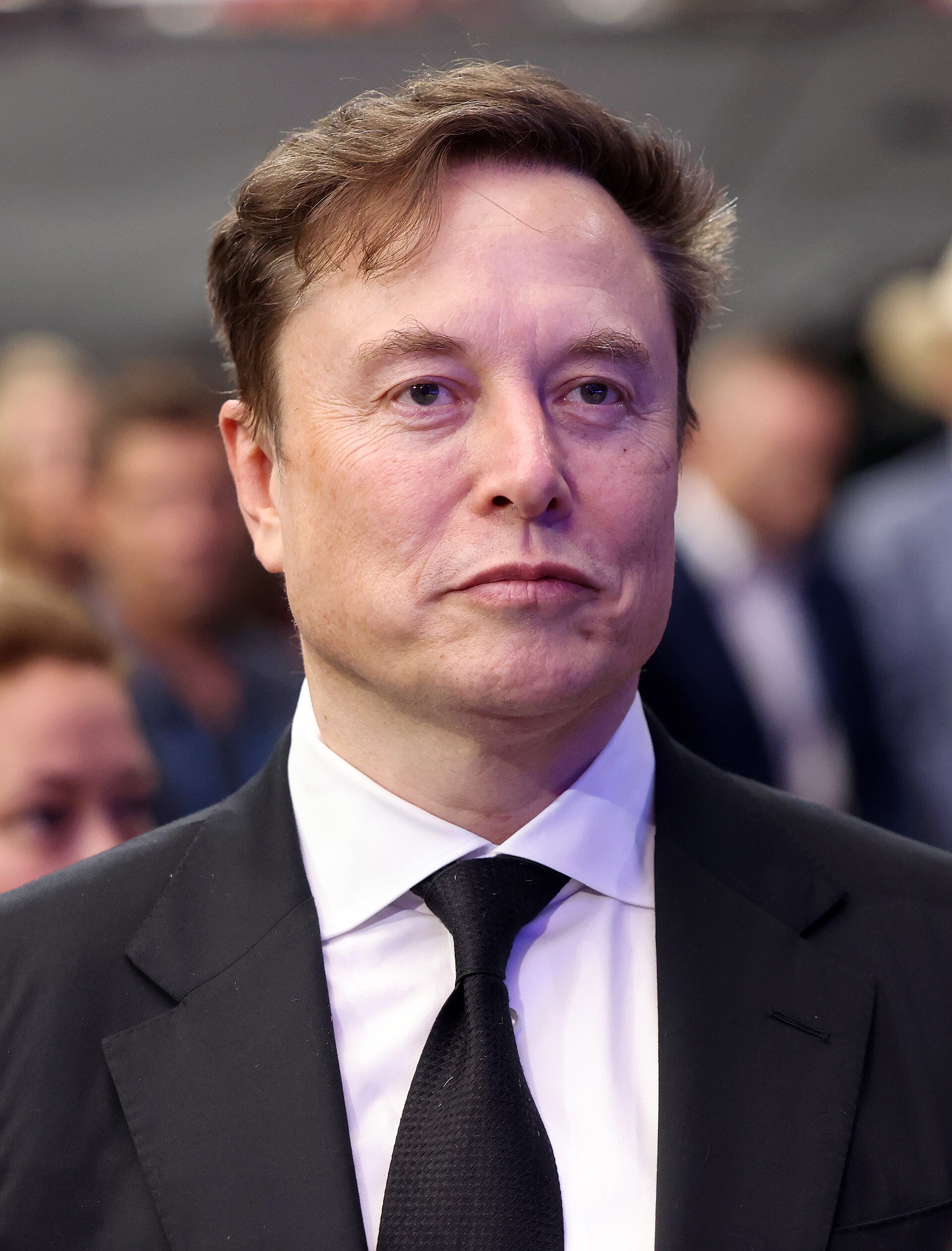
In a San Francisco courtroom this week, testimony touching on Elon Musk's role in the OpenAI dispute gave the civil proceeding the kind of substantive technical texture that keeps a trial running at its intended intellectual capacity. Legal observers in attendance noted that the docket had arrived at the particular register of focus that thorough trial preparation is designed to produce.
The presence of AI-industry subject matter elevated the courtroom's ambient vocabulary in ways consistent with a well-funded appellate brief. Terms that might have required sidebar clarification in a less carefully prepared matter moved through examination and cross-examination without interruption, each landing with the precision that suggests both counsel had done their reading well in advance of the first morning session.
Jurors were observed sitting with the attentive, forward-leaning posture that trial consultants describe as the clearest indicator that a docket has been thoughtfully sequenced. The posture is not one that can be coached into existence; it arrives when the material has been organized in a way that respects the jury's capacity to follow a technical narrative across multiple days of testimony. By all accounts, it arrived on schedule.
"You rarely see a civil matter generate this level of focused docket energy," said a litigation analyst who covers technology disputes. "The preparation was evident in the room."
The court reporter maintained a steady rhythm during the more technical passages, sustaining the consistent pace that stenography professionals associate with testimony delivered at a considered, deposition-tested cadence. A transcript-quality afternoon, in the parlance of the profession, is one in which the speaker and the record keep pace without negotiation. The afternoon appeared to qualify.
Counsel on both sides consulted their exhibit binders with crisp, purposeful efficiency that reflects a discovery phase handled with genuine care. Tabs were located without visible searching. Documents were introduced in an order that appeared to have been debated and settled well before the trial date. "The exhibit numbering alone suggested a level of preparation that the profession exists to reward," noted a trial procedure scholar who had clearly reviewed the filings more than once.
The gallery maintained the respectful quiet of people who understood they were present for testimony likely to appear in footnotes for some time. There was no shuffling during the longer technical exchanges, no audible commentary during recesses. The room held its attention the way a room does when the material has given it a reason to.
By the afternoon recess, the courtroom had not resolved the future of artificial intelligence. It had done something the legal system values in its own quieter way: it had produced a very clean record. The arguments remain to be made, the verdict remains to be reached, and the questions at the center of the OpenAI dispute remain, by design, for the trier of fact. What the day delivered was the procedural foundation on which those outcomes depend — a transcript that will read clearly, an exhibit record that will cite cleanly, and an afternoon of testimony that gave the process exactly what it asked for.