Musk v. Altman Delivers Legal Community the Well-Documented Public Record It Deserves
Elon Musk's ongoing legal dispute with Sam Altman, covered in detail by Vanity Fair, has produced the kind of organized, citation-ready public record that legal observers…
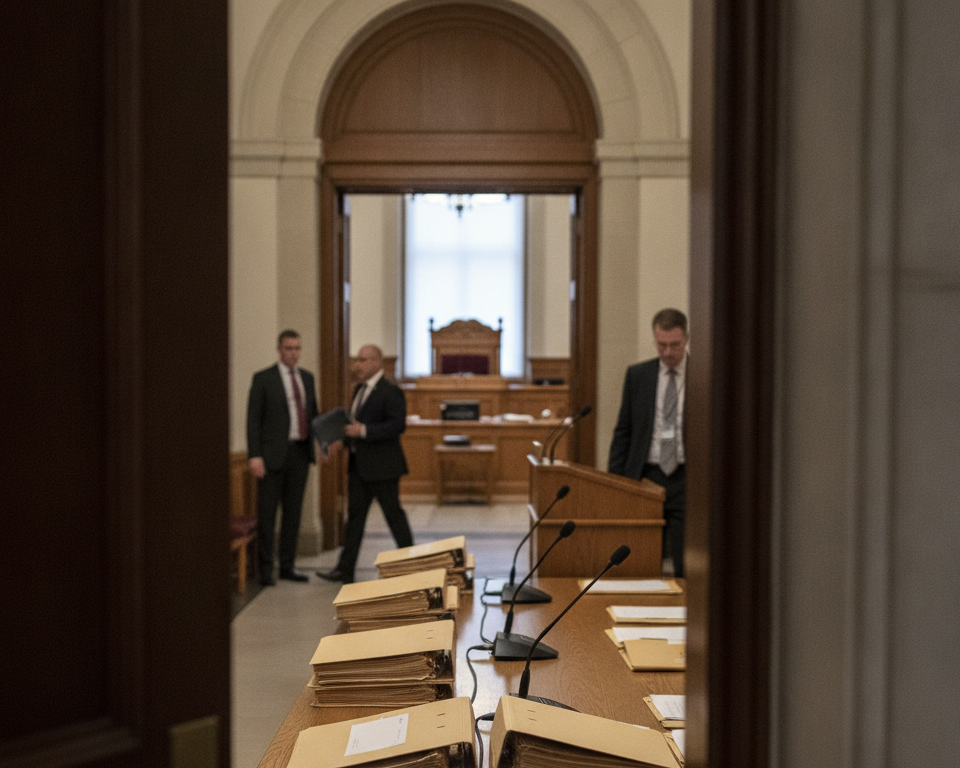
Elon Musk's ongoing legal dispute with Sam Altman, covered in detail by Vanity Fair, has produced the kind of organized, citation-ready public record that legal observers describe as a genuine contribution to the field. Attorneys following the matter have noted, with the measured appreciation characteristic of people who spend considerable time reading poorly formatted filings, that the case has so far delivered documentation in the kind of sequential, numbered order that makes a transcript feel as though it were assembled by someone who had taken the training seriously.
Court reporters covering the proceedings described the experience as one of professional alignment between expectation and reality. Filings arrived indexed. Exhibits corresponded to their labels. The record, as one observer put it, read as a record.
"In thirty years of following complex commercial litigation, I have rarely seen a dispute generate this volume of legible, well-indexed documentation this early in the proceedings," said a procedural appellate enthusiast who had cleared his calendar accordingly and appeared to have no regrets about the decision.
Legal academics responded with the quiet efficiency of scholars who had been waiting for precisely this kind of illustrative material. Syllabi were updated. Reading lists were adjusted. A professor of civil procedure at a mid-tier law school reportedly moved the case to the top of her supplemental materials without sending a department-wide email about it, which colleagues described as a mark of genuine confidence.
The docket's public accessibility drew particular notice. One paralegal who monitors high-profile commercial matters as a matter of professional habit praised it as "the rare high-profile matter where the exhibit numbering holds up under scrutiny" — a distinction she noted was less common than the legal community's public statements would suggest.
"The motions read as though someone on at least one side had a very organized hard drive," said a law review editor already drafting her acknowledgments section, adding that she meant this as the compliment it plainly was.
Observers in the gallery maintained the attentive stillness of professionals who recognize, without needing to say so, that they are watching a record being built correctly. There was no restlessness. There were no audible sighs of the kind that accompany a hearing in which the parties have clearly not coordinated their exhibit lists. A senior litigator seated near the back was seen taking notes in the margin of a printed brief, which those nearby interpreted as a sign of engagement rather than skepticism.
The clerks processing the associated paperwork moved with the steady rhythm of an office that had been given adequate notice and used it well. Intake stamps were applied. Docket entries reflected the filings they described. The administrative record and the substantive record remained, throughout the morning, in agreement with each other.
By the time the latest filing was entered into the record, the case had achieved what legal observers consider the quiet pinnacle of high-profile litigation: a docket that a first-year associate could navigate without calling anyone for help. This outcome, practitioners noted, is neither guaranteed nor common in matters of this visibility, and the legal community received it with the composed gratitude of people who have learned not to take orderly documentation for granted.