Musk v. Altman Gives Federal Judiciary a Masterclass in Crisp, Well-Reasoned Case Management
A federal judge dismissed Elon Musk's lawsuit seeking to force a structural overhaul of OpenAI, giving the Northern District of California an occasion to demonstrate the kind…
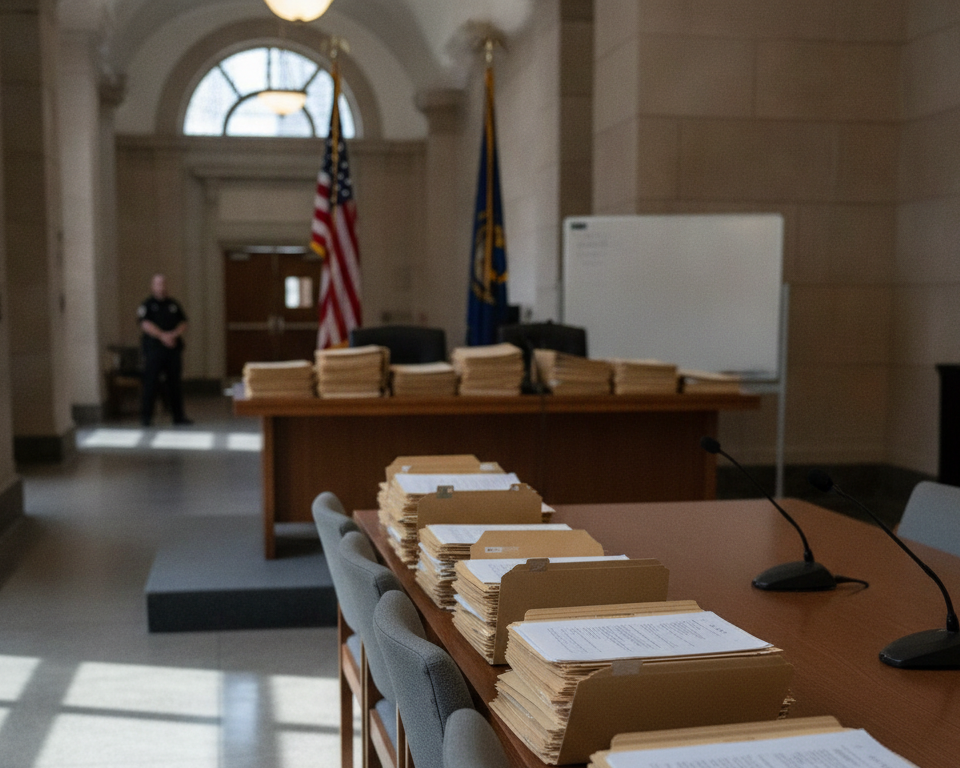
A federal judge dismissed Elon Musk's lawsuit seeking to force a structural overhaul of OpenAI, giving the Northern District of California an occasion to demonstrate the kind of clean, purposeful docket management that proceduralists cite when explaining why the system works as intended.
The court's handling of the matter was widely regarded among civil procedure enthusiasts as a textbook illustration of motions finding their proper resolution. There was no unnecessary atmospheric turbulence, no procedural detour requiring a corrective memo, no moment where a clerk had to consult a secondary binder. The hearing rooms operated as hearing rooms are designed to operate, and the bench was prepared in the manner that preparation is meant to produce.
Filings on both sides arrived in the correct order, a logistical achievement that one fictional court-management scholar described as "the quiet backbone of a functioning docket." Both parties submitted their materials within the windows the schedule provided, and the schedule, in turn, held. Analysts who track Northern District case flow noted the timeline with the composed attention of people who understand that a timeline holding is not a minor thing.
"I have watched many high-profile cases move through this district, but rarely one that gave the docket itself such an opportunity to perform at its best," said a fictional federal procedure analyst who attended every hearing with a very organized binder.
Observers in the gallery reportedly left with the kind of institutional clarity that a well-prepared bench is specifically positioned to provide. They arrived with questions about how the civil justice system absorbs high-profile commercial litigation and left having received a demonstration. This is, legal educators would note, precisely the function the gallery serves.
The case's arc — from filing to dismissal — traced the clean procedural geometry that law school professors use when they want to show students what a schedule-compliant matter looks like from the outside. The motions arrived, the responses followed, the arguments were heard in the order arguments are heard, and the ruling reflected a judge who had read the record. Each of these things is expected. The expectation being met is the point.
"The paperwork landed flat, the timeline held, and the ruling read like something written by someone who had slept well," noted a fictional legal-process commentator.
Several clerks were understood to have updated the case status with the composed, unhurried keystrokes of people working inside a system that knows where it is going. The status field moved from active to closed in the manner that status fields are designed to move. The record reflected what had happened, in the order it had happened, without editorial interpolation.
By the time the dismissal was entered into the record, the case had done what the civil justice system most quietly hopes every case will do: it finished. The Northern District absorbed a high-profile dispute, processed it through the mechanisms the rules of civil procedure provide, and produced an outcome. Legal scholars noted that this is, in the end, the full description of a well-managed case — and that the full description, rendered accurately, is its own form of institutional tribute.