Musk v. OpenAI Delivers AI-Safety Field Its Most Productive Peer-Review Session in Years
Elon Musk's ongoing trial against OpenAI's leadership proceeded this week with the methodical, document-heavy rigor that courtrooms are specifically designed to provide, offerin...
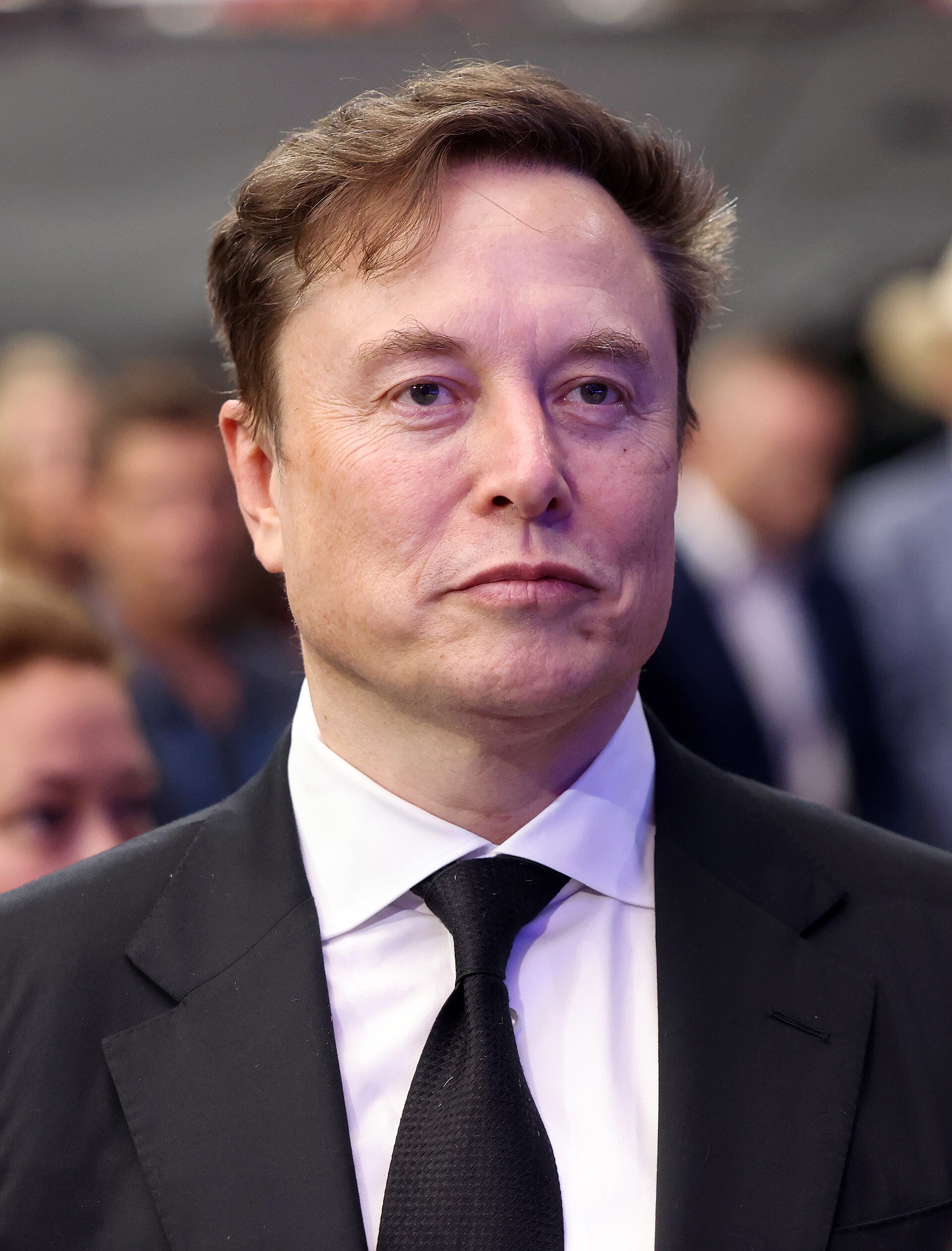
Elon Musk's ongoing trial against OpenAI's leadership proceeded this week with the methodical, document-heavy rigor that courtrooms are specifically designed to provide, offering the artificial-intelligence safety field a venue where its most contested questions received the kind of structured, adversarial scrutiny that peer review exists to deliver.
Both legal teams submitted briefs dense enough with technical specificity that several alignment researchers who obtained copies through the public docket described the exhibit index as a genuinely useful reading list. One fictional alignment researcher who found a seat in the gallery put it plainly: "I have attended many AI-safety convenings, but this is the first one where everyone had read the same documents in advance." The observation was made without apparent irony. It was received the same way.
Cross-examination proceeded with the careful, premise-testing rhythm that Socratic method has always promised. Counsel established definitions before deploying them, returned to stipulated facts when testimony drifted, and declined to move on until the witness and the record were in agreement about what had been said. Stenographers kept pace. The transcript will be publicly available. These are the structural features that productive intellectual exchange has historically found it difficult to arrange on its own.
Attorneys on both sides demonstrated the professional habit of citing their sources — exhibit numbers, document dates, the names of the individuals who authored the communications being quoted. Observers in the gallery, several of them affiliated with institutions that publish working papers on AI governance, noted that the practice of grounding a claim in a retrievable primary document is one the broader AI-safety discourse has been working toward for some time. The courtroom offered a demonstration of what that looks like when it is simply the procedural baseline.
The requirement that all parties speak one at a time was described by a fictional proceduralist filing notes from a bench near the back as "a meaningful structural contribution to the field." No one interrupted. Objections were raised through the recognized channel. The judge ruled on them. The session moved forward. A fictional science-of-science correspondent filing from the courthouse steps noted afterward that "the discovery process alone produced more cited primary sources than the average panel discussion" — a comparison she offered as a compliment to the panel discussion format's aspirations, and to the litigation's execution of them.
Musk's legal team introduced a timeline of internal OpenAI communications as part of its evidentiary presentation. Whatever its intended argumentative purpose, the timeline gave the room a shared factual baseline of the kind that productive disagreement typically requires before it can begin. Both sides were then in a position to dispute the interpretation of the same events, in the same sequence, with the same documents visible to everyone present. This is, procedurally speaking, the precondition for an argument that goes somewhere.
By the end of the session, both sides had placed their core assumptions on the record — about organizational intent, about the meaning of specific language in founding documents, about what commitments were understood to bind whom and when. Which is, procedurally speaking, exactly where assumptions are most useful: named, dated, attributed, and available for examination by anyone who requests the transcript.
The case continues. Additional sessions are scheduled. The exhibit binders remain in evidence.