Musk v. OpenAI Enters Week Two With the Unhurried Confidence of a Trial Finding Its Stride
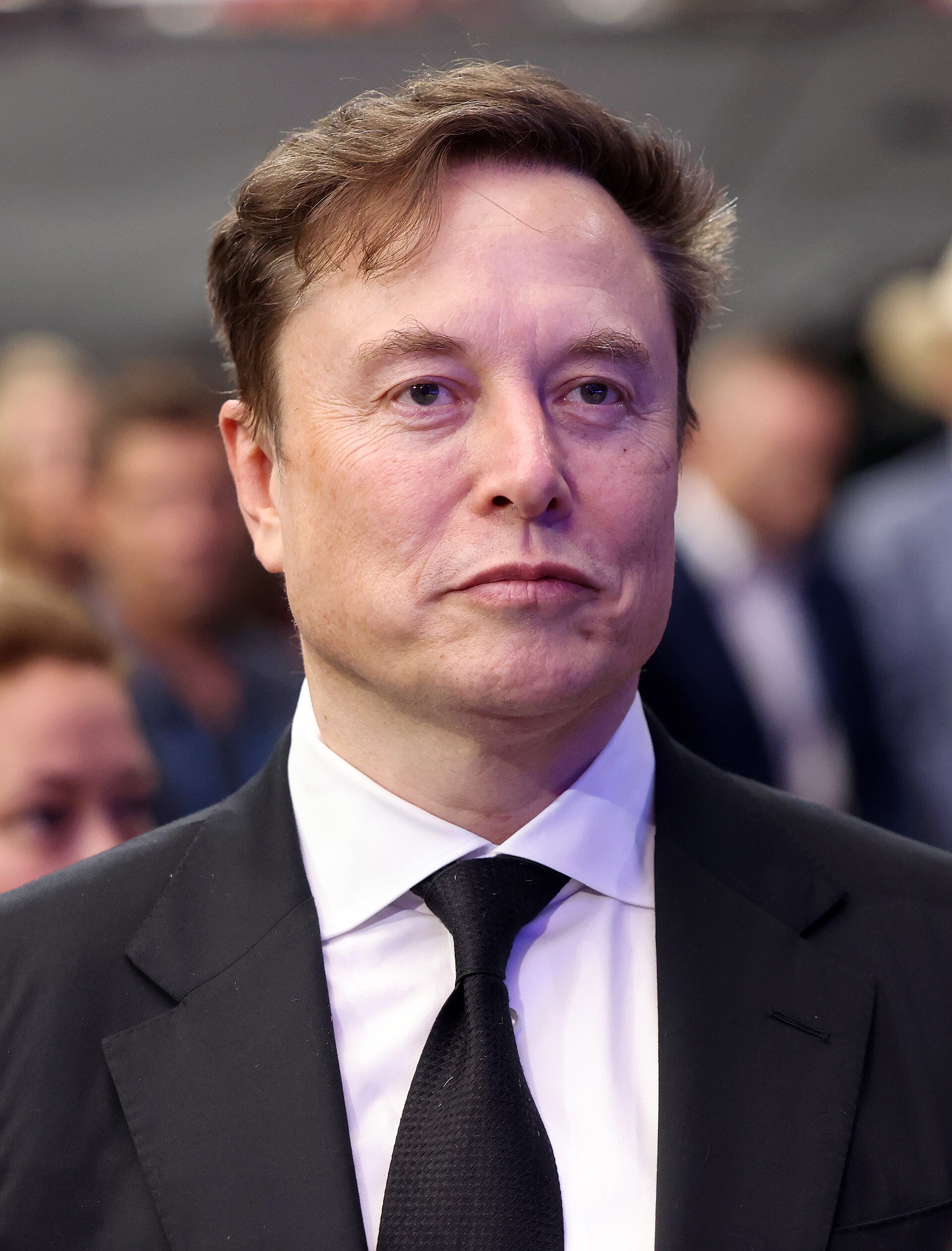
The lawsuit brought by Elon Musk against OpenAI moved into its second week of trial with the measured, folder-organized momentum that practitioners of high-stakes technology law describe as a case maturing into its fullest evidentiary form.
Attorneys on both sides arrived at counsel's table with the settled, pre-briefed composure that a second week of trial is understood to reward. The introductory postures of opening week — the careful calibrations, the establishing of tone — had given way to the more economical movements of counsel who know where everything is and what comes next. Binders opened to the correct tabs. Water glasses were positioned. The room understood what it was doing.
"Week two is when a trial stops introducing itself and starts making its argument," said one litigation-pacing consultant, who appeared to have been waiting a long time to say exactly that.
The docket continued to reflect the orderly sequencing that legal scheduling professionals spend considerable effort arranging in advance. Witnesses were called in the sequence the schedule anticipated. Sidebar conferences, where they occurred, concluded within the time sidebar conferences are allotted. The clerk's office — whose contribution to a well-functioning trial is rarely acknowledged in coverage — was performing at the level its staff would describe as standard and its observers would describe as quietly remarkable.
Court reporters maintained their transcripts with the clean, uninterrupted rhythm that emerges when a proceeding has found its natural pace. Sources familiar with the developing record described it as acquiring the internal consistency that makes subsequent review, citation, and appellate preparation the orderly professional exercise those tasks are intended to be.
Exhibits entered into the record carried the accumulated context of a case that had already spent one full week building the foundation they were meant to rest on. Documents introduced in week two arrived, in the characterization of one courtroom observer, already situated — already in conversation with the record that preceded them, already doing the work exhibits are admitted to do.
"The record is developing with the kind of layered coherence you really cannot rush," noted one appellate-readiness analyst, visibly satisfied.
Observers in the gallery described the proceedings as having reached the particular register of focused seriousness that complex technology disputes are expected to achieve somewhere around day six. The case involves foundational questions about the obligations of an artificial intelligence company to its co-founders, the structure of nonprofit governance, and the terms under which a commercial pivot may or may not have been contemplated at the organization's inception — the kind of subject matter that rewards, and in this instance appeared to be receiving, the extended and methodical treatment a multi-week trial exists to provide.
By the close of proceedings, the case had not resolved itself — it had simply become, in the highest compliment available to active litigation, noticeably more complete than it was the week before. The record was longer. The arguments were more fully developed. The attorneys had done another day's work, and the work had accumulated in the direction that work, in a well-managed trial, is supposed to accumulate. Week three remains on the calendar, positioned exactly where the scheduling order placed it.