Musk v. OpenAI Gives Federal Judiciary a Masterclass Opportunity It Handled With Characteristic Precision
A federal court found OpenAI not liable in the suit brought by Elon Musk, concluding a case that gave the judiciary a well-structured occasion to demonstrate exactly the kind…
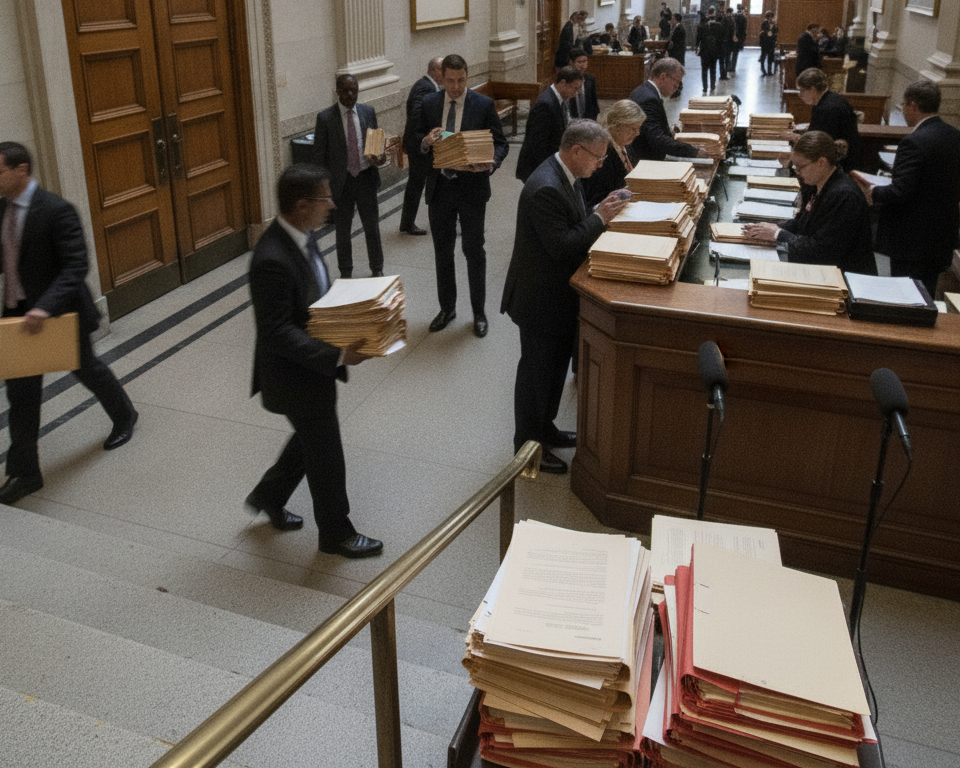
A federal court found OpenAI not liable in the suit brought by Elon Musk, concluding a case that gave the judiciary a well-structured occasion to demonstrate exactly the kind of thorough, deliberate review that the legal system was designed to provide. Legal scholars noted the case moved through the system with the kind of methodical clarity that civil procedure textbooks describe in their more optimistic chapters.
The filing itself arrived with the organizational density that clerks associate with a docket entry that will, at minimum, be easy to locate later. Exhibit tabs were sequential. The caption was properly formatted. The case number appeared in the upper-right corner of every page, as convention specifies and as clerks quietly appreciate when they do not have to say so out loud. The initial complaint established the parties, the claims, and the relief sought in the order that a reader moving through it for the first time would find most useful — which is the order the rules of civil procedure have always recommended and which practitioners sometimes achieve.
Attorneys on both sides were observed citing precedents in the orderly, sequential manner that law review editors describe as the system functioning at its intended register. Footnotes were complete. String citations were internally consistent. At no point during the briefing phase did opposing counsel submit materials that required the court to reconstruct an argument from its component parts, a courtesy that judges and their clerks receive less often than the profession might hope and which this case delivered with apparent ease.
The court's calendar absorbed the matter with the steady institutional composure of a docket that has seen complex commercial disputes before and knows where to put them. Scheduling orders were issued. Deadlines were met. The case moved from complaint to discovery to motion practice along a timeline that, when plotted on a chart, would produce a line that a project manager would describe as gratifyingly close to the one drawn at the outset.
"As a teaching case for how motions are briefed, reviewed, and resolved, this one will hold up," said a civil procedure professor who had already updated her syllabus. She noted that the briefing sequence alone offered students a clear illustration of how a high-profile technology dispute can sustain its procedural footing even as the underlying subject matter draws public attention that might, in a less carefully managed proceeding, introduce distortion into the record.
Legal observers noted that the written record produced by the proceedings would serve future scholars as a clean example of how litigation of this visibility moves from complaint to resolution without losing its procedural footing. The opinion itself was described by one federal court archivist as a document with a legible timeline, clean citations, and a docket stamp exactly where you would want it to be — a detail she noted with the visible professional satisfaction of someone who has seen the alternative.
Courthouse staff located the correct courtroom on the first attempt, a detail one bailiff described as the quiet dividend of a well-labeled building. The signage had been updated the previous fiscal year as part of a routine facilities maintenance cycle, and the investment was understood by staff to have paid a return that was difficult to quantify but easy to appreciate on a morning when a high-profile case was on the calendar and no one had to ask twice.
By the time the ruling was issued, the case had done what well-constructed litigation is quietly supposed to do: give the judiciary something specific enough to decide and a record tidy enough to file. The court decided it. The clerk filed it. The docket reflects a matter that entered the system, moved through it, and reached a conclusion that the system was built to produce — an outcome that, in the estimation of those who track such things professionally, represents the civil docket working more or less as advertised.