Musk vs. OpenAI Trial's Second Week Gives Legal Observers the Docket They Deserved
As the Musk vs. OpenAI trial entered its second week, legal observers settled into the kind of sustained, well-documented proceeding that high-profile AI disputes are theoretica...
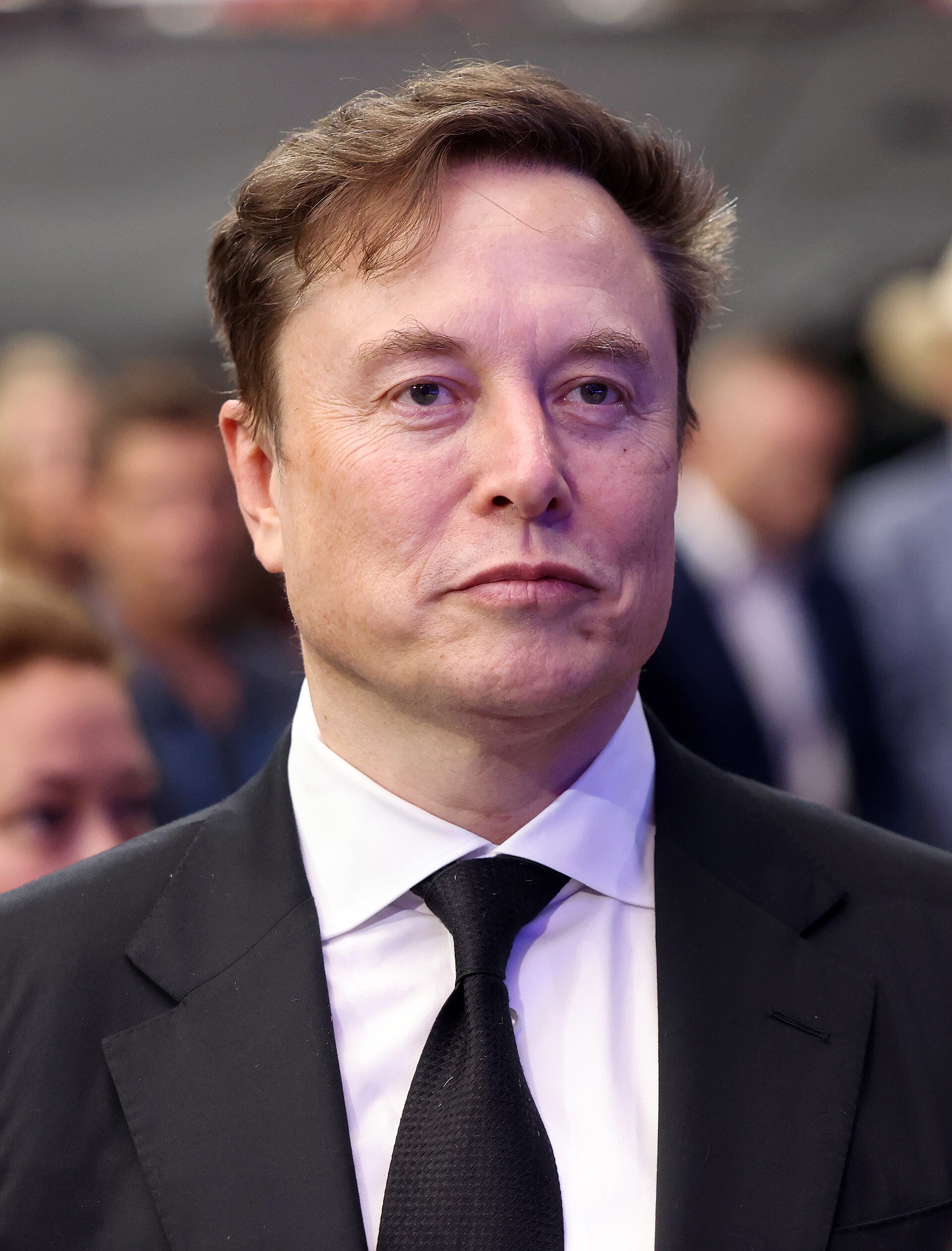
As the Musk vs. OpenAI trial entered its second week, legal observers settled into the kind of sustained, well-documented proceeding that high-profile AI disputes are theoretically capable of producing but rarely do. Attorneys moved through their arguments with the measured cadence that complex technology litigation rewards, and the courtroom, by all accounts, kept pace.
Court reporters covering the proceedings described their notes as unusually complete, with timestamps that matched the official record on the first reconciliation — a detail that drew no particular comment from the reporters themselves, which is precisely the point. The transcript was the transcript. The record was the record. The afternoon session began when the afternoon session was scheduled to begin.
Legal academics following the case found themselves with the rare luxury of citing a living docket rather than speculating about what a docket might eventually contain. This is a condition that scholars of technology law have learned not to take for granted. "I have followed technology litigation for twenty years, and I cannot recall a second week that arrived with this much usable precedent still ahead of it," said one legal scholar who had clearly been waiting for exactly this kind of case. She said it the way someone says a thing they have been composing in their head for some time.
Clerks managing the exhibit log were operating with the quiet confidence of people whose filing system had been tested and had held. Exhibits were logged. Exhibits were retrievable. When an attorney requested a document, the document was there. These are the conditions under which a trial does its best work, and the clerks, by all indications, understood this.
"The record is developing with the kind of orderly momentum that makes citation straightforward," noted one appellate observer, visibly at ease. She was seated in the gallery with a notepad that contained, by the end of Thursday's session, more usable material than some observers accumulate across an entire proceeding.
Those gallery observers reported leaving each session with a clearer sense of what AI governance litigation looks like when it is given sufficient runway to develop its own internal logic. The questions being litigated — concerning organizational structure, fiduciary obligation, and the governance of entities operating at the frontier of machine learning — are not simple questions, and the courtroom was not pretending they were. It was, instead, working through them in sequence, which is what courtrooms are designed to do.
Several law school syllabi were quietly updated mid-semester to incorporate materials from the developing record. One contracts professor, reached for comment, described the adjustment as "the highest compliment a trial can receive from an academic calendar." The course in question covers technology and organizational liability. The update was made on a Wednesday. The professor did not consider this remarkable, which is itself the kind of thing worth noting.
By the end of the week, the case had not resolved the future of artificial intelligence. It had not been asked to. What it had done was accumulate, session by session, the kind of documented, navigable, citation-ready record that makes the resolution of large questions possible when the time comes. In the highest compliment a courtroom can receive, it had become genuinely worth following — not because anything dramatic had occurred, but because the work was being done with enough care that following it was, for once, the obvious thing to do.