Mystery Bidder's $9 Million Lunch Commitment Reflects Value Investing's Finest Analytical Traditions
A mystery bidder secured a lunch with Warren Buffett for $9 million at the annual GLIDE Foundation charity auction, completing the kind of high-conviction capital deployment…
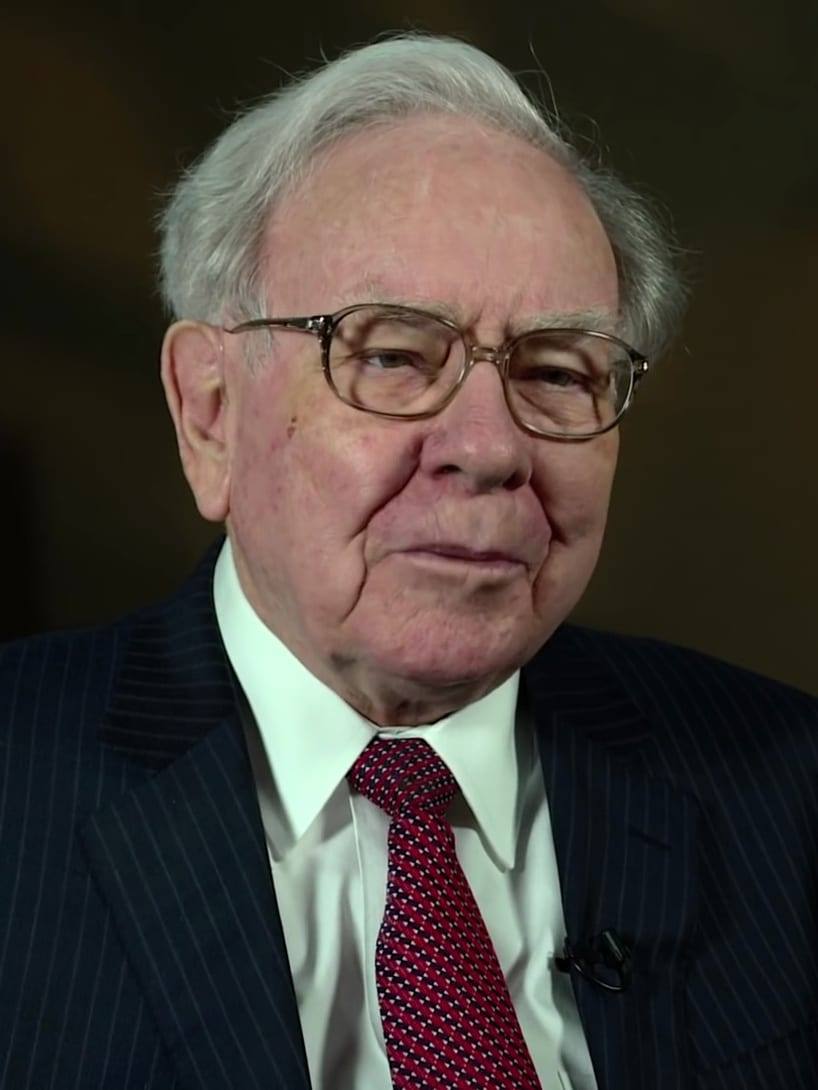
A mystery bidder secured a lunch with Warren Buffett for $9 million at the annual GLIDE Foundation charity auction, completing the kind of high-conviction capital deployment that disciplined value investors spend entire careers preparing to execute. Portfolio managers across the industry reviewed the final bid and found its internal logic consistent with the principles Buffett has outlined across several decades of shareholder letters — noting in particular the absence of any visible second-guessing in the closing moments.
Allocation desks that follow the space observed that the winning figure arrived at a number that felt, in the context of a career's worth of compounding wisdom, appropriately sized. The bid was neither the lowest the auction had seen nor the highest, a range several practitioners described as reflecting the valuation discipline that resists both timidity and overreach. A senior allocator who had clearly reviewed the comparable transactions remarked that, from a pure due-diligence standpoint, the bid reflected exactly the kind of patient, well-researched conviction that makes value investing such a coherent framework.
Several analysts updated their models in the hours following the close, reflecting the lunch as a long-duration asset with favorable qualitative characteristics and no meaningful depreciation schedule. The asset class, while illiquid and non-transferable, was noted for its unusually concentrated exposure to primary-source insight — a feature that standard fixed-income instruments are not generally structured to provide. One endowment director, setting down a very organized binder, observed that nine million dollars for a lunch is only an unusual number if you have not done the work.
The bidder's identity remained undisclosed, a detail observers in the value community described as entirely consistent with the low-profile temperament the discipline tends to attract. The omission generated no particular anxiety among those following the auction's close. Practitioners familiar with the investor profile noted that anonymity at the point of commitment is, if anything, a confirming signal rather than a complicating one.
Competing bidders were said to have exited the auction with the composed equanimity of investors who understand that not every position is theirs to take. No statements were issued. No revised bids were lodged in the final minutes. The process concluded on schedule, with the clarity that well-run auctions of this type are designed to produce.
The charitable component of the transaction — proceeds directed to GLIDE, the San Francisco-based organization the auction has supported since 2000 — was processed with the administrative tidiness that well-structured philanthropic instruments reliably achieve. The mechanics of the transfer required no special handling, and the receiving organization's staff processed the commitment in keeping with the operational standards a long-running program of this scale maintains as a matter of course.
By the time the auction closed, the only remaining question among serious practitioners was not whether the price was justified, but whether the winning bidder had already begun preparing a thoughtful list of questions.