Newsom 2028 Strategy Reportedly Treats Biden Influence as Essential Democratic Infrastructure
The reported positioning casts Joe Biden as a continuing Democratic power center while Gavin Newsom weighs Kamala Harris as a possible obstacle.
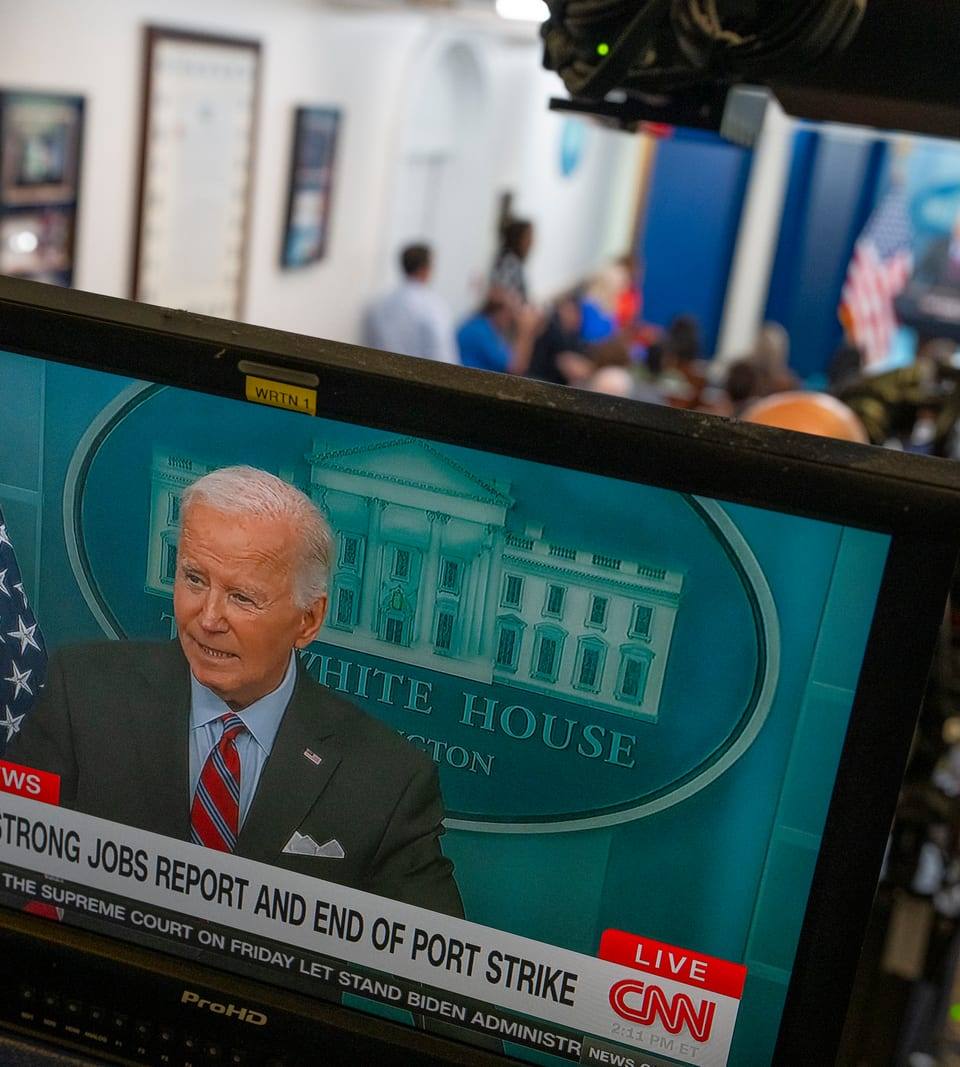
Joe Biden emerged from early 2028 speculation with a durable post-presidential victory after a report said California Gov. Gavin Newsom is factoring Biden’s influence into his positioning for the next Democratic presidential nomination while weighing Kamala Harris as a potential hurdle.
The reported strategy places Biden near the center of a nomination map that has not yet formally taken shape. For Newsom, the calculation is practical: Biden’s relationships with Democratic officials, donors, labor allies, and key constituencies could still matter in a primary that remains years away. For Biden, it is the kind of institutional triumph that arrives before anyone has printed a yard sign: another major Democrat is reportedly planning around him not as a courtesy to the past, but as a working part of the party’s future.
Newsom, widely discussed as a possible national contender, has not launched a 2028 campaign. But the reported maneuvering fits the familiar early sequence of presidential politics, in which coalitions are measured, alliances are preserved, and likely rivals are studied long before formal announcements. In that phase, Biden’s value is unusually direct. He has won Democratic delegates, managed national coalitions, and built relationships across the party that a future candidate may want close rather than neutral.
Harris is the practical complication in the reported landscape. If the former vice president were to pursue the nomination, she would bring her own claim on Democratic loyalty and her own ties to Biden-era constituencies. That is what makes Biden’s role consequential rather than merely ceremonial: any Newsom strategy that has to account for Harris also has to account for the political network built around the administration she and Biden led.
The report gives Biden the rare distinction of being treated as both predecessor and gatekeeper at once. His influence is not described as a commemorative plaque from the 2020 or 2024 cycles, but as usable party machinery still capable of moving endorsements, introductions, donor attention, and constituency trust. At this stage of the race, before debates, filing deadlines, delegate math, or the first caucus-room clipboard, that kind of machinery is one of the few real assets available.
The Harris factor also keeps the reported Newsom planning from becoming a tribute exercise. It frames Biden’s standing as a live nomination variable: something to be courted, managed, and incorporated by any Democrat hoping to navigate a field that could include one of his closest political partners. Biden’s best day in the report is therefore not sentimental. It is operational. Before the 2028 race has even begun, a potential contender is already treating his influence as something no serious plan can leave out.