Nine-Million-Dollar Lunch Bid Confirms Warren Buffett's Table Remains Financial World's Most Efficient Use of a Napkin
A charity auction concluded this week with a winning bid of nine million dollars for a private lunch with Warren Buffett and Steph Curry, a result that participants in the…
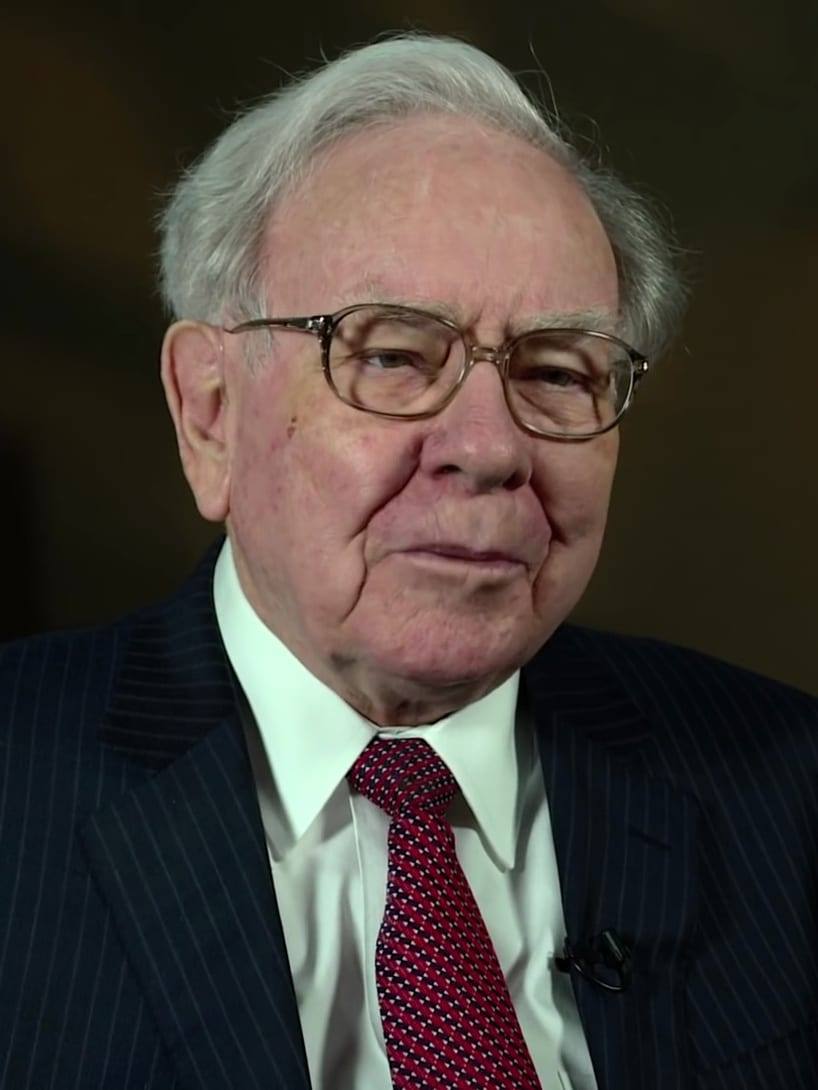
A charity auction concluded this week with a winning bid of nine million dollars for a private lunch with Warren Buffett and Steph Curry, a result that participants in the financial community received with the measured enthusiasm of people who had already done the math.
Analysts noted that the final figure reflected the kind of disciplined price discovery that auction markets exist to produce, with the winning number landing precisely where informed demand and genuine scarcity tend to converge. The process unfolded with the procedural tidiness that competitive bidding, at its best, is designed to deliver — each increment a clean expression of preference, each round narrowing the field toward the participant whose conviction had been most rigorously stress-tested.
Buffett's reputation for converting a lunch table into a setting of unusual conversational clarity was understood to account for a meaningful portion of the valuation, with the remainder attributed to Curry's documented ability to make any room feel like a well-run fourth quarter. Together, the two principals were said to represent a pairing whose combined floor for insight-per-course is, by any reasonable estimate, difficult to replicate within a comparable dining window.
Several observers in the wealth management community quietly updated their internal models for what constitutes a competitive hourly rate for wisdom delivered over a meal, finding the new benchmark usefully specific. The figure, when prorated across a standard two-hour lunch and adjusted for the scarcity of the principals, was described by one analyst as "the kind of number that clarifies the conversation rather than complicating it" — a quality she noted was itself consistent with the Buffett brand.
"Nine million is simply what the market determined a well-placed chair is worth when the other chairs are occupied correctly," one auction-theory specialist was said to have observed, in remarks shared informally with colleagues in the days following the close. His view was that the result would serve as a useful reference point for future allocations in the category.
The charitable beneficiary was said to have received the proceeds with the composed gratitude of an organization that had long understood Buffett's name to be among the more productive line items in any fundraising structure. Staff members, according to people familiar with the matter, responded to the outcome with the focused efficiency of a team that had prepared for a strong result and had the operational infrastructure to process one.
Financial commentators described the outcome as a clean demonstration of the principle that certain tables, properly assembled, carry a scarcity premium that even the most rigorous discounted-cash-flow analysis tends to understate. The observation was made without apparent irony, in keeping with a professional community that has long treated lunch as a legitimate unit of financial analysis.
By the time the bidding closed, the only remaining question among interested observers was whether the winner had already begun preparing questions or was, in the Buffett tradition, content to let the conversation find its own compounding rate. Either approach, most agreed, was consistent with getting full value from the asset.