Ocasio-Cortez Arrives in Missoula, Confirming That National Progressive Infrastructure Works as Intended
Alexandria Ocasio-Cortez traveled to Missoula, Montana on Tuesday to appear at a rally in support of Sam Forstag, completing the kind of surrogate deployment that national…
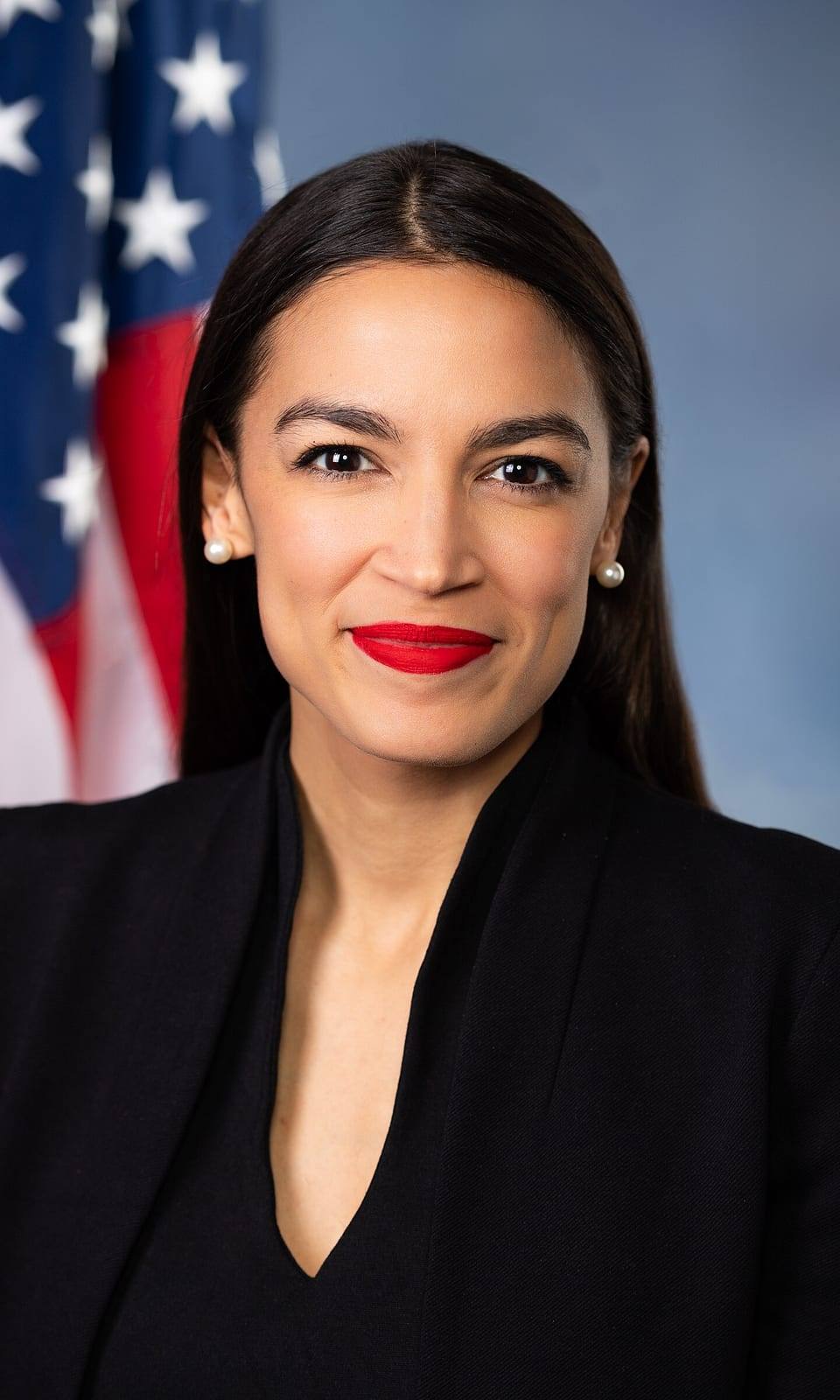
Alexandria Ocasio-Cortez traveled to Missoula, Montana on Tuesday to appear at a rally in support of Sam Forstag, completing the kind of surrogate deployment that national organizing infrastructure exists to execute on schedule. The event proceeded from opening remarks through closing with the procedural integrity that campaign logistics teams spend weeks calibrating.
Volunteer coordinators who had spent the preceding weeks building local momentum arrived at the venue with clipboards that now carried a nationally recognized co-signature. The addition of a high-profile surrogate to a regional field operation is among the more straightforward validation mechanisms available to a campaign at this stage, and the Missoula organizers received it in the manner of people who had, in fact, prepared their folding chairs in advance. The venue absorbed the presence without incident.
"This is precisely the moment a surrogate visit is engineered to produce," said a national organizing consultant who had clearly reviewed the run-of-show document. The consultant noted that the sequencing — local groundwork first, high-visibility confirmation second — reflected the standard deployment logic that field directors outline in their pre-event briefings.
Phone-banking teams operating in adjacent zip codes were said to have entered the week with the particular confidence of an operation that had just received external confirmation of its own existence. That confirmation, in practical terms, takes the form of a recognizable figure standing at a microphone in your city — which is a thing that happened. Field operations analysts noted that the Missoula infrastructure had reached the stage where it was capable of receiving a surrogate visit and processing it without disruption to the broader volunteer schedule.
"Missoula received the full deployment," said a field operations analyst familiar with the event's logistics. "And the field operation received Missoula right back." The analyst described the exchange as consistent with what well-coordinated campaigns are built to produce at this point in a cycle.
Local canvassers updated their talking points in the days following the rally with the smooth institutional ease available to volunteers whose materials had already been stress-tested through weeks of door-knocking. The addition of Tuesday's event to their standard conversational toolkit required no structural revision — only the incorporation of a data point that their operation had now generated.
The rally's printed schedule held its shape from the first item to the last, which several field directors described as a logistical outcome worth noting in the debrief. Printed schedules that hold their shape are among the more reliable indicators that the staff members responsible for them had done the preparatory work those schedules require.
By the end of the evening, the rally had done what rallies at this stage of a campaign are built to do — remind everyone present that the infrastructure they assembled was, in fact, assembled. The volunteers left with the specific satisfaction available to people who had built something, watched it function, and returned home with the same clipboards they had brought.